
The Future of SEO Marketing (2026 Edition): Best Practices, Tools, and Costs Explained

SEO 2026: The Trust, AI & E-E-A-T Era of Zero-Click Search
Table of Contents
Serious about growing your business? Let’s plan exactly how to get you more leads, sales, and results—faster.
We’ve spent over a decade helping businesses grow through SEO (search engine marketing) and inbound marketing, and I can say this with confidence—2026 is redefining what effective optimisation looks like.
At its core, SEO marketing is about improving your website’s visibility in organic search results to attract qualified traffic and convert it into customers—without relying on paid ads.
Unlike search engine marketing (SEM) or pay-per-click campaigns that stop when the budget does, SEO builds long-term visibility and trust.
When done right, SEO keeps driving traffic, builds credibility, and delivers ROI that compounds.
Over 90% of online journeys still begin with a search.
That’s why SEO marketing in 2026 matters more than ever.
From local small businesses to B2B SaaS brands, the ability to rank organically on Google remains one of the most cost-effective ways to generate leads and build authority.
Once your pages rank, that visibility compounds month after month—without additional ad spend.
That said, SEO in 2026 has evolved.
It’s no longer just about keywords and backlinks—it’s about intent, authority, and user experience.
With AI-driven search, Answer Engine Optimisation (AEO), and zero-click results reshaping how users discover content, the rules have changed.
Businesses now need integrated strategies that connect technical SEO, content quality, and website design.
Google’s E-E-A-T principles (Experience, Expertise, Authoritativeness, Trustworthiness) now determine which brands users—and algorithms—trust most.
And in this guide, I’ll break down everything about SEO marketing in 2026.
From what it really means, and how it’s evolving, to how you can build a future-proof SEO strategy for your business that drives measurable ROI and what SEO costs you can expect.
Why Is SEO Still Important for Businesses in 2026
1. Visibility Everywhere
In 2026, visibility means being everywhere your audience looks.
Search isn’t limited to blue links anymore—it’s voice, visuals, AI summaries, and map listings.
Good SEO marketing gets your business in all of them.
In fact, 68% of all online experiences still start with a search engine, and AI-powered snippets now capture 28% of total clicks.
Brands investing in search engine optimisation show up in AI Overviews, local packs, and organic results—while others get buried under ads.
If people can’t find you where they search, you’re invisible.
2. Quality Leads That Convert
SEO doesn’t just bring visitors—it brings buyers. Someone searching for “best SEO services near me” or “top project management software” already has intent.
That’s what makes organic search traffic so powerful—it captures users ready to act.
Research shows organic search converts 8× higher than outbound channels.
And leads from SEO close at an average rate of 14.6%, compared to 1.7% from outbound marketing.
At Credofy, we see this all the time: clients who double down on SEO for their businesses often report higher conversion rates and stronger lead quality than those relying solely on paid ads.
3. Lower Long-Term Costs
Paid ads stop the moment your budget runs out. SEO doesn’t.
Once you rank, you earn clicks without paying for each one.
While the average SEO marketing cost might seem higher initially, long-term results make it the most efficient acquisition channel.
A study found that SEO delivers an average ROI averaging 200%-275%, compared to 150% for paid search, and the gap keeps growing as competition for ad space rises.
Whether you manage it in-house or through SEO optimisation companies, the investment compounds over time—reducing cost per lead as authority builds.
Marketing Research & Strategy
We help you understand your market and build smart strategies to attract more customers and grow faster.
- Detailed research into your competitors, customers, and market
- Custom marketing and growth plans that drive real results
- Clear action steps to increase traffic, leads, and sales

ADWORDS ROI

Cut Ad spend

4. Adapting to Search Behaviour
Search has changed. People ask questions in natural language, expect instant answers, and often don’t even click a result.
That’s where Answer Engine Optimisation (AEO), local SEO, and structured data come in.
Optimising for how people search—not just what they search for—keeps your brand in front of audiences even when clicks are declining.
In 2025, Google reported that over 50% of all queries are zero-click searches, making content structure and snippet optimisation more important than ever.
5. Building Brand Authority and Trust
Ranking well isn’t just about traffic—it’s about perception.
When your brand consistently appears in Google search results, People Also Ask boxes, and featured snippets, it signals expertise.
That visibility compounds into authority.
Working with experienced search engine optimisation agencies or SEO specialists helps you publish content that reflects real expertise and credibility—key to Google’s E-E-A-T standards.
The more your site demonstrates experience, authoritativeness, and trust, the more likely users—and Google—will choose you over competitors.
In short, SEO remains the most sustainable growth engine in digital marketing.
It builds trust, reduces dependency on ads, and keeps your business visible everywhere that matters—especially in a search landscape now dominated by AI and user intent.
Digital Marketing, SEO & PPC
- SEO to boost rankings and capture high-intent, AI-driven traffic
- Performance Marketing to run ROI-focused campaigns that convert
- Content Marketing to drive clicks, earn links, and build authority
SEO vs. SEM: Which One Should You Choose?
SEO and SEM are often used interchangeably, but they serve different purposes.
Search engine optimisation (SEO) focuses on earning visibility organically, while search engine marketing (SEM) uses paid ads to get instant traffic.
Both can work—but they work very differently.
SEO: The Long Game That Compounds
SEO marketing is all about building sustainable visibility. You optimise your website and content so Google can understand, trust, and rank it.
It’s slower to start, but once it gains traction, it pays off continuously.
Recent data shows that organic search drives over 53% of all website traffic, while paid search contributes around 15%.
Businesses that invest in long-term SEO benefit from compounding traffic and lower acquisition costs over time.
According to Adcore’s 2025 analysis, organic search converts at an average of 14.6%, compared to roughly 10% for PPC campaigns.
The reason is simple—people trust organic results more. They’re earned, not bought.
SEM: The Fast-Track to Visibility
SEM (search engine marketing) delivers results instantly. You pay to appear at the top of search results, drive immediate clicks, and test which keywords convert best.
But the moment you stop paying, visibility disappears.
While SEM is excellent for product launches, seasonal offers, or testing keyword performance, it comes at a higher price.
The average customer acquisition cost through SEM is around $802, compared to $485 for SEO leads.
That difference compounds as your business scales.
Which One Should You Choose?
If you’re looking for short-term traffic and quick data, start with SEM.
If you want long-term visibility, stronger credibility, and better ROI, invest in SEO optimisation.
The smartest strategy is a hybrid approach—use SEM to gain quick wins while building an SEO foundation that compounds over time.
At Credofy, we’ve seen clients who combine both outperform those relying on a single channel by more than 40% in overall site traffic within 12 months.
So, whether you work with search engine optimisation agencies or manage it in-house, the answer isn’t “SEO or SEM.”
It’s both—balanced strategically based on your goals, timeline, and budget.
The 4 Core Types of SEO
SEO success doesn’t come from one tactic—it comes from mastering four key areas that work together: on-page, off-page, technical, and local SEO.
Each plays a different role in helping your website rank higher, attract the right visitors, and build long-term trust with Google.

1. On-Page SEO
On-page SEO is where optimisation starts.
It’s about making sure your pages are built for both users and search engines.
That means:
- Use intent-based keywords that match what your audience searches for.
- Writing clear, clickable titles and meta descriptions.
- Adding schema markup and internal links for better indexing.
- Building fast, mobile-friendly, and accessible pages.
At Credofy, we’ve seen that websites combining strong SEO web design services with keyword optimisation often double their organic traffic within months.
For instance, this London-based real estate firm grew its organic traffic 7× in just six months after we revamped their on-page SEO, optimising content structure, internal linking, and metadata.
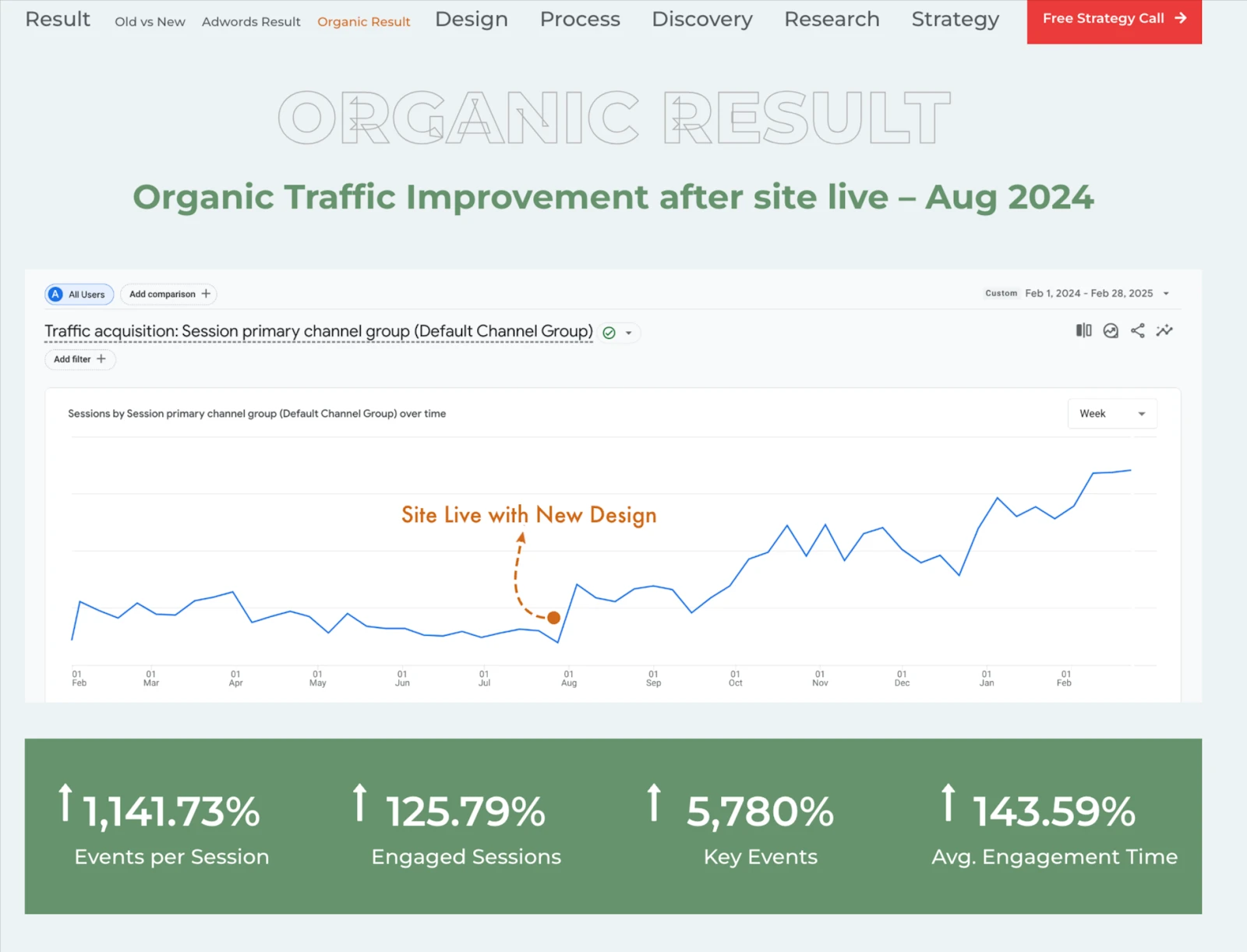
Read Full Case Study Here: Flambard Williams Case Study
That’s the power of getting it right: on-page SEO doesn’t just bring clicks—it keeps visitors engaged and turns them into customers.
2. Off-Page SEO
Off-page SEO is what proves your credibility to Google.
It’s the process of earning trust from other websites, audiences, and search engines.
The key driver here is backlinks—when other authoritative websites link to yours, it’s like a vote of confidence.
But today, off-page SEO goes beyond link building.
It includes:
- Digital PR and guest posting on reputable websites.
- Getting featured in AI overviews, news mentions, and “People Also Ask” boxes.
- Growing visibility through content partnerships and social engagement.
Top search engine optimisation agencies like ours now focus on earning relevant, high-quality links—not just quantity.
Because when trusted sites talk about you, Google listens.
3. Technical SEO
Technical SEO is what keeps your website healthy and discoverable.
It’s the behind-the-scenes work that ensures Google can crawl, index, and understand your pages correctly.
A strong technical setup includes:
- Clean site architecture and internal linking.
- Optimised Core Web Vitals for speed and stability.
- HTTPS security and reliable server performance.
- Structured data for AI and voice search readiness.
Even small improvements here can make a big difference.
Google reports that pages loading within 2.5 seconds or less see up to 70% longer average session times.
That’s why smart brands partner with SEO optimisation companies or run regular audits using advanced SEO tools to fix performance gaps early.
4. Local SEO
If your business depends on local customers, local SEO is non-negotiable.
With more than 46% of Google searches now local, showing up in map packs and “near me” searches can be the difference between being found or forgotten.
To win locally:
- Claim and optimise your Google Business Profile.
- Keep your business name, address, and phone number consistent across listings.
- Encourage and respond to customer reviews.
- Optimise for voice queries like “best dental SEO company near me” or “estate agency SEO in London.”
Working with a specialised local SEO agency helps your business appear in top map results and local packs—right where buyers are ready to act.
Local SEO isn’t just for small businesses—it’s powerful for franchises, healthcare providers, and even global brands targeting regional markets.
When all four types of SEO work together, they create a complete growth engine.
On-page content attracts, off-page signals build authority, technical SEO strengthens performance, and local SEO drives action.
That’s how you build lasting visibility, not just temporary rankings.
Emerging SEO Trends for 2026
SEO in 2026 looks very different from what it was even two years ago.
AI, automation, and shifting user behaviour are transforming how people discover, evaluate, and engage with content online.
To stay ahead, businesses must adapt their strategies—not just to rank, but to be found across every search surface.
Here are the biggest SEO marketing trends shaping 2026:
1. AI-Powered Search & Answer Engine Optimisation (AEO)
AI is redefining search.
Google’s Search Generative Experience (SGE) and tools like ChatGPT, Perplexity now summarise information directly in results.
This is reducing clicks but increasing exposure for trusted sources.
Optimising for Answer Engine Optimisation (AEO) means:
- Structuring your content with clear, data-backed answers.
- Using schema markup for better context and discovery.
- Building credibility so AI models trust your content enough to cite it.
For instance, one of our real estate SEO clients structured their property guides for AEO and began appearing in Google’s AI Overviews—driving qualified leads from zero-click searches.
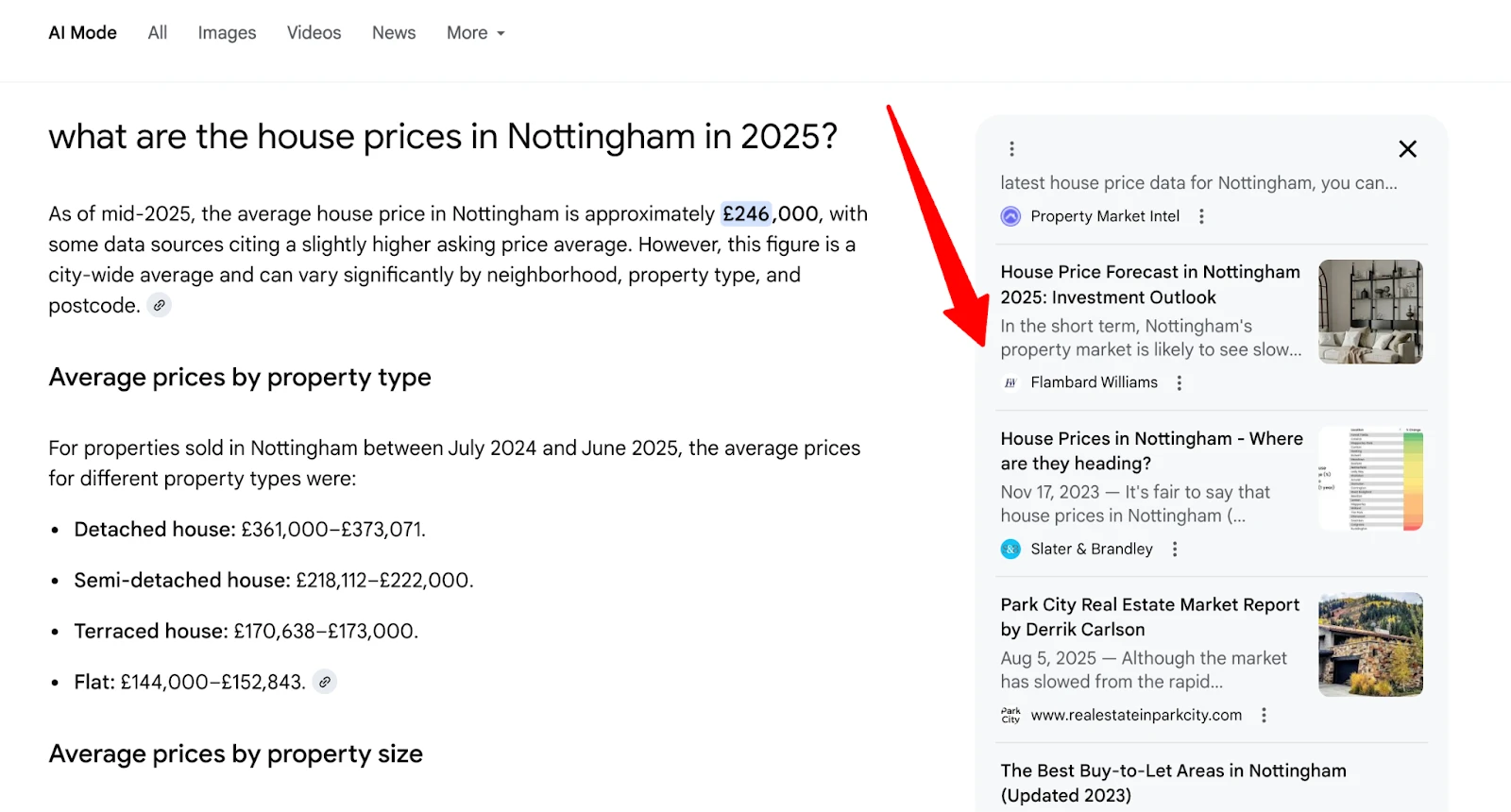
(AI Mode)
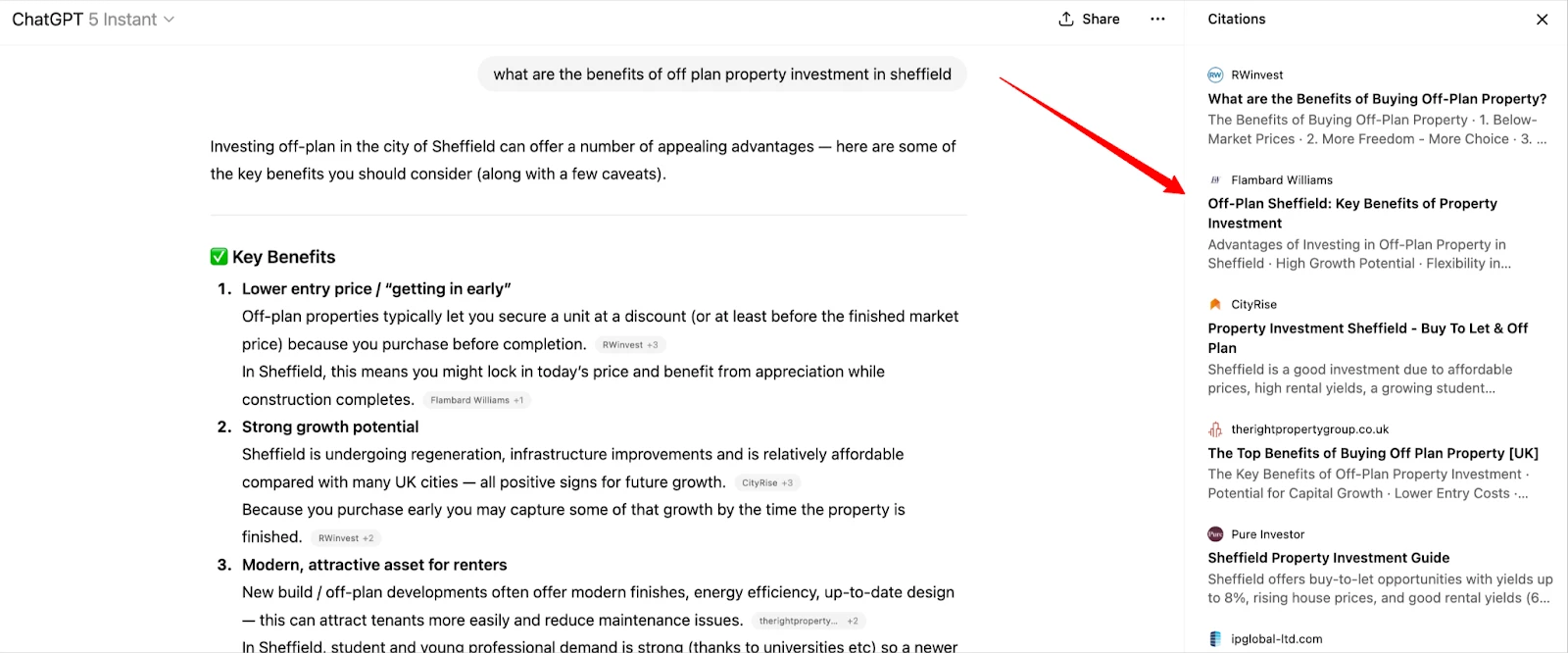
(ChatGPT)
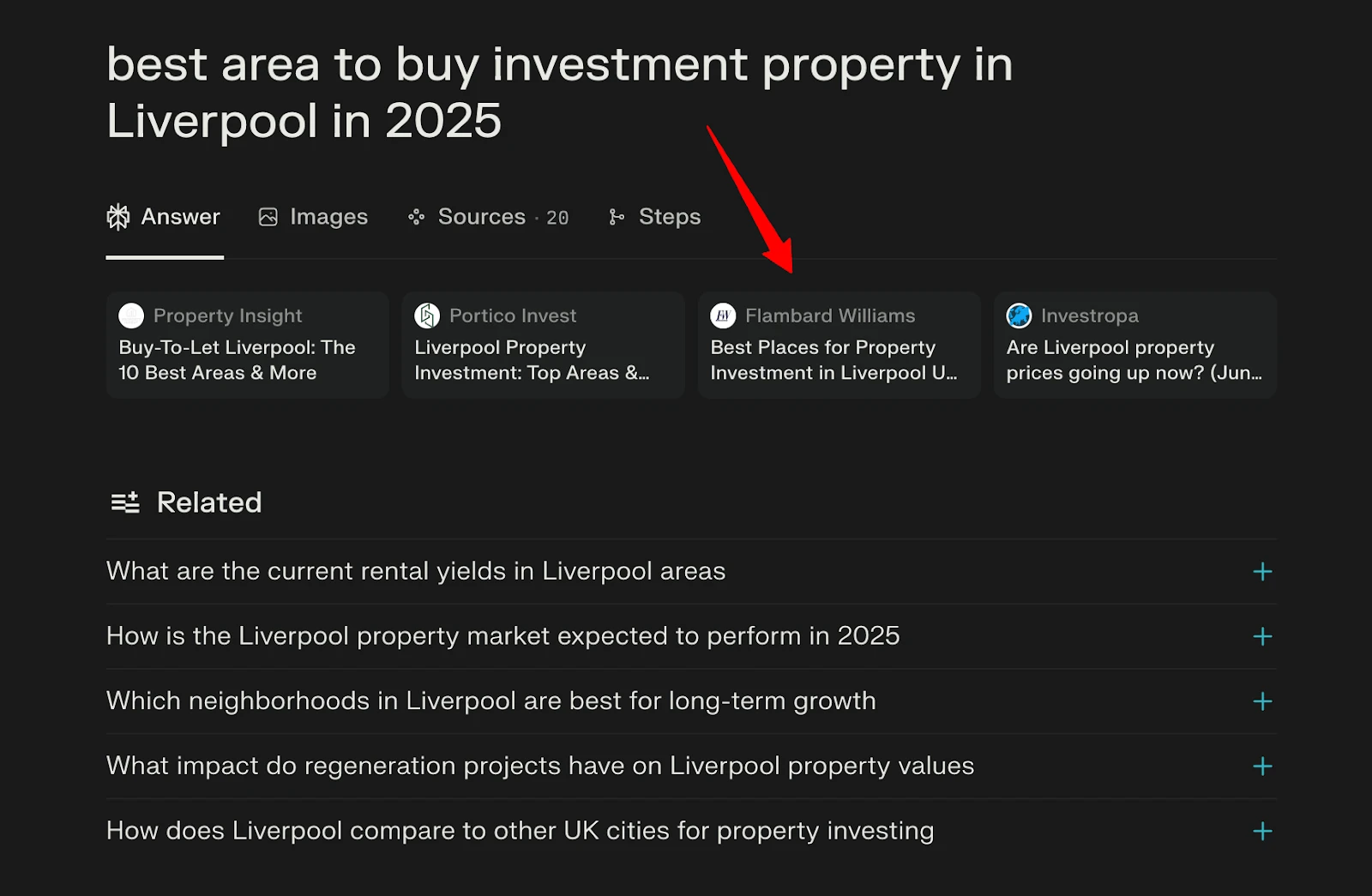
(Perplexity)
This same approach applies to SaaS, dental, and e-commerce brands aiming to stay visible in AI summaries.
2. Topic Authority Over Keywords
Google now rewards depth over density.
It’s no longer about targeting dozens of separate keywords; it’s about creating interconnected content clusters that build topical authority.
A B2B SEO strategy might include a full content hub around “marketing automation,” covering setup, integrations, pricing, and best practices in one ecosystem.
This structure helps search engines understand expertise, improves site rank, and builds long-term trust.
The same principle applies to estate agency SEO or healthcare SEO, where topic-focused content demonstrates real-world authority and industry relevance.
3. Zero-Click Searches Are the New Normal
More than 50% of Google searches now end without a click, according to Semrush (2025).
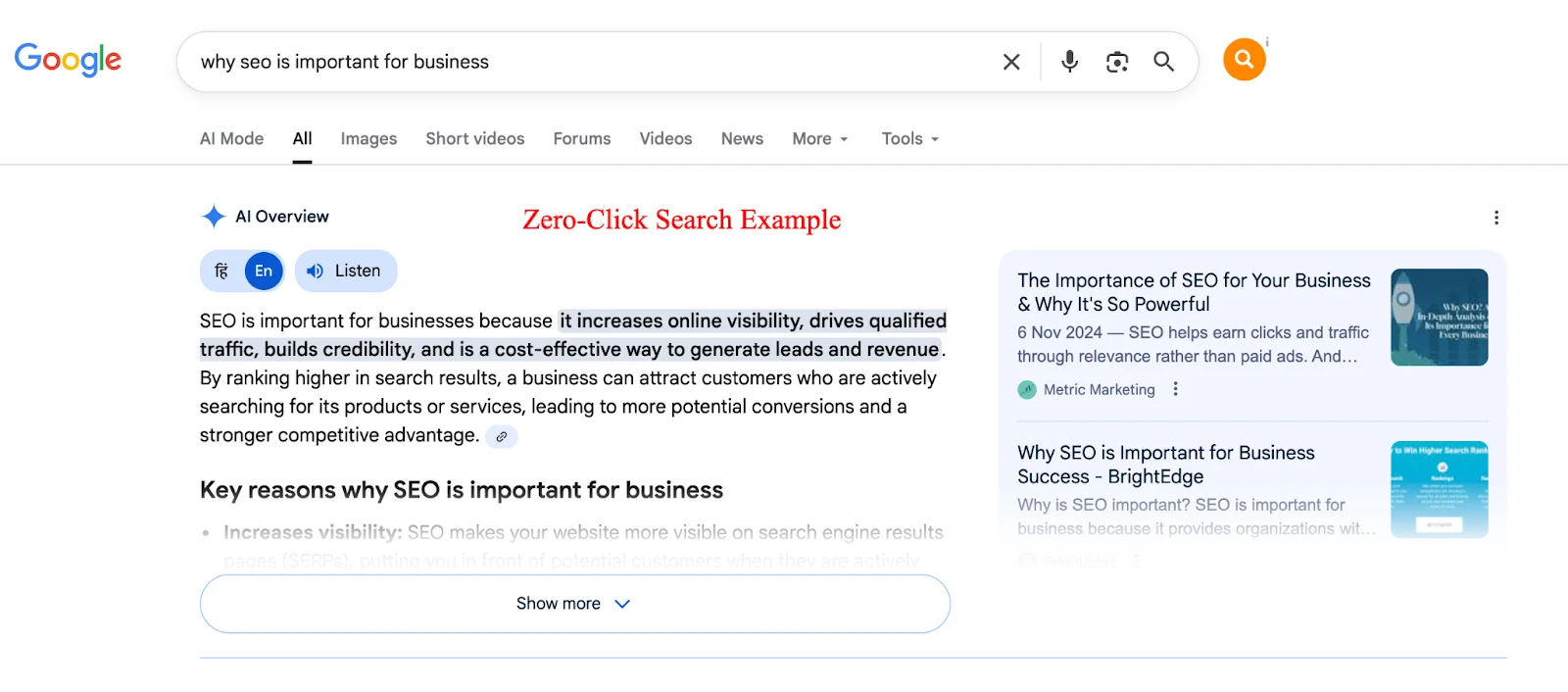
Users are finding answers directly in featured snippets, AI-generated summaries, and knowledge panels.
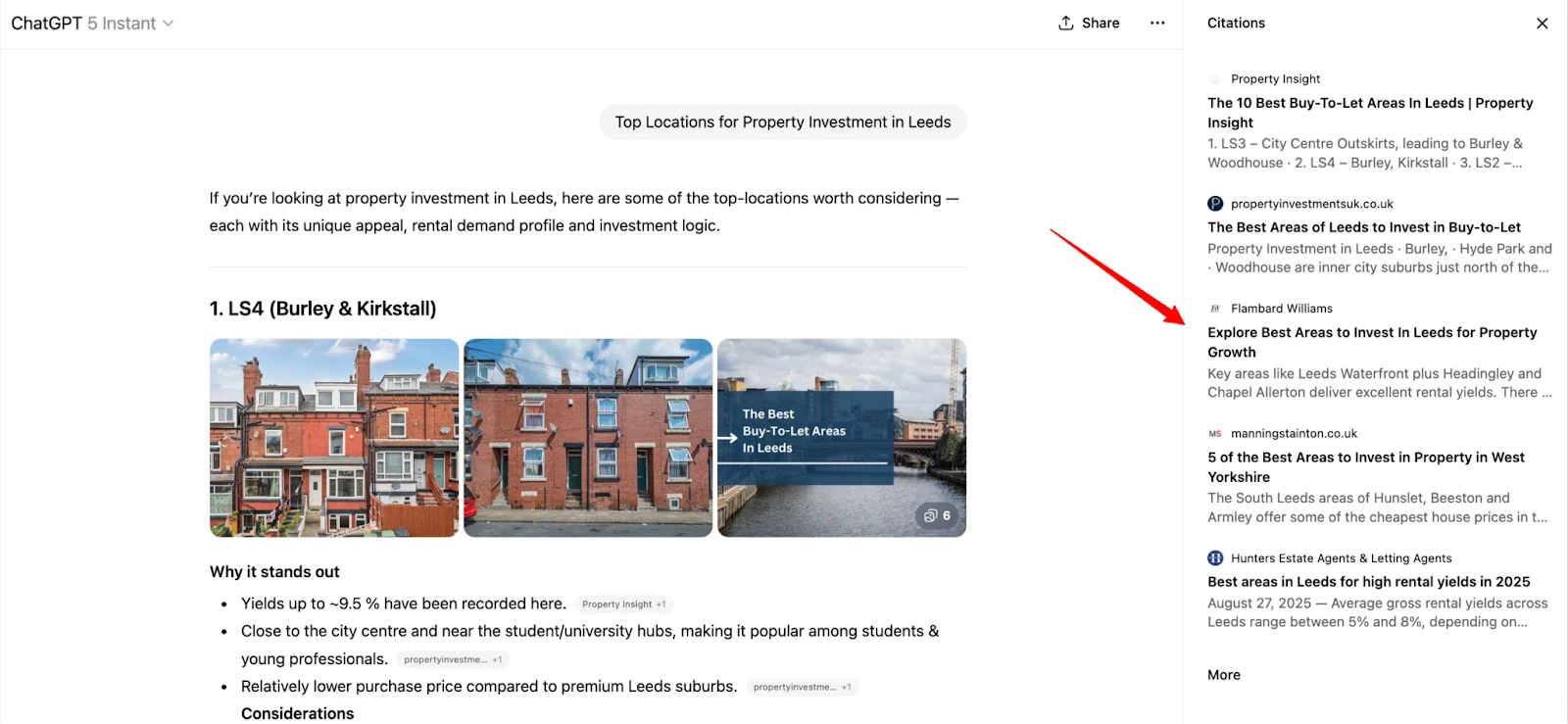
(ChatGPT)
To stay visible, your SEO strategy should focus on:
- Optimising for featured snippets and “People Also Ask” boxes.
- Writing concise, question-based subheadings.
- Adding FAQs and structured data for context.
In real estate, finance, or SaaS, brands that publish helpful Q&A content—like “Top Locations for Property Investment in London” or “Best CRM tools for startups”
—often earn top visibility, even when users don’t click through.
Marketing Research & Strategy
We help you understand your market and build smart strategies to attract more customers and grow faster.
- Detailed research into your competitors, customers, and market
- Custom marketing and growth plans that drive real results
- Clear action steps to increase traffic, leads, and sales
ADWORDS ROI
Cut Ad spend
4. E-E-A-T Principles Take Centre Stage
Google’s E-E-A-T (Experience, Expertise, Authoritativeness, Trustworthiness) remains a major ranking factor in 2026.
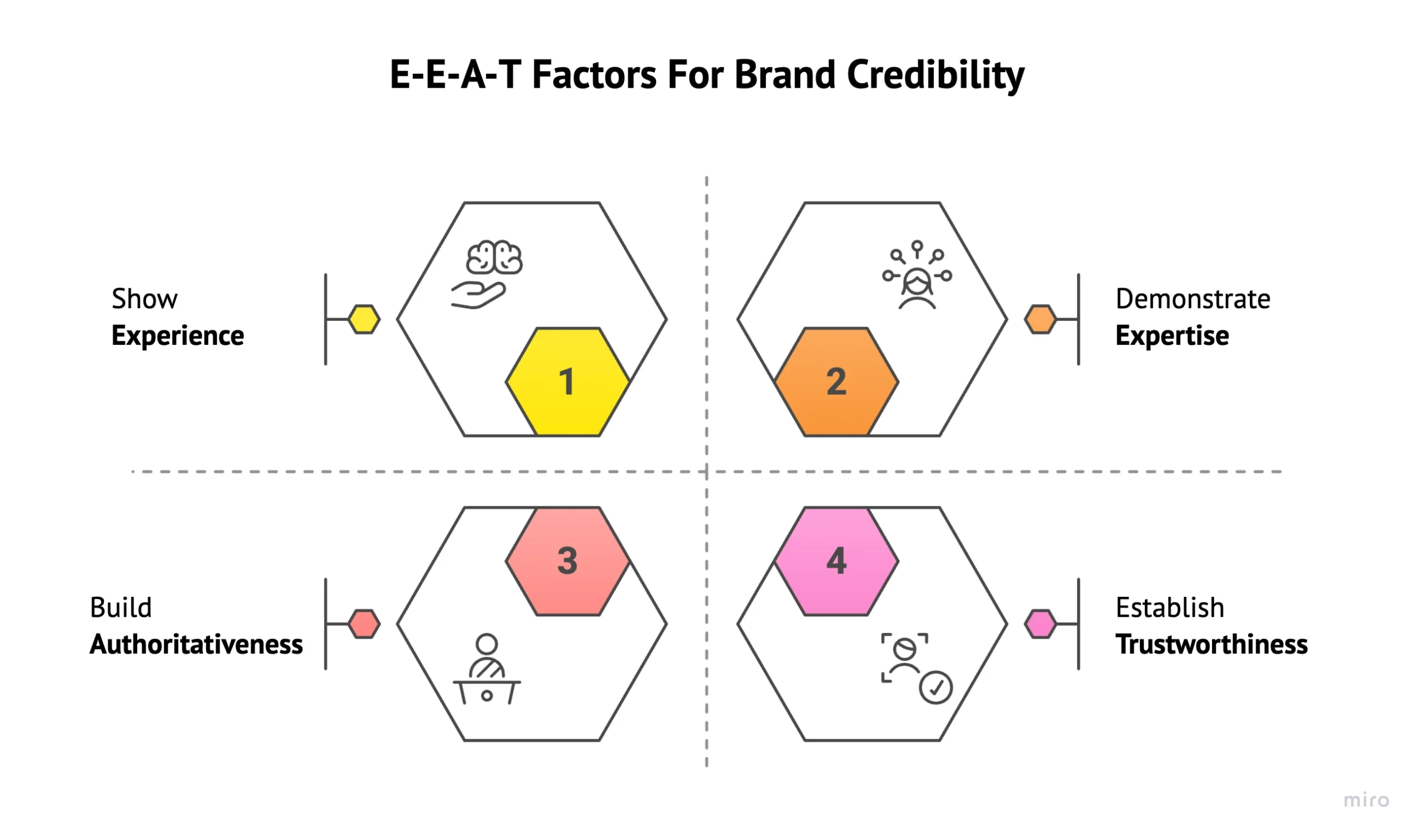
It’s not just about writing well—it’s about proving credibility.
To build trust, focus on:
- Author bios and verifiable credentials.
- Linking to reliable data and sources.
- Consistent brand transparency across your site.
At Credofy, we’ve seen businesses that implement strong E-E-A-T signals increase organic visibility by over 40% within a year.
5. Voice, Video, and Image Search Growth
Search is expanding beyond text.
AI-driven recognition tools now allow users to find results via voice, images, and videos faster than ever.
To prepare:
- Add descriptive alt text and filenames for images.
- Optimise video titles, transcripts, and descriptions with target keywords.
- Target voice queries like “best real estate agent near me” or “best dental clinic in my area.”
Voice search alone is continuing to gain traction—global usage is up a few points year over year, and the market itself is growing more than 20% annually.
And with local SEO and eCommerce SEO seeing the biggest impact.
6. Ethical SEO Practices Win Long-Term
Shortcuts are dead now.
Keyword stuffing, fake backlinks, and low-quality AI content lead to quick penalties.
The winners in 2026 are those who invest in authentic SEO strategies—transparent link building, user-focused content, and credible partnerships.
For example, a property investment SEO campaign that offers verified insights and educational content will outperform manipulative tactics every time.
Ethical, user-first SEO not only secures rankings—it builds brand trust and long-term customer loyalty.
The SEO landscape in 2026 rewards clarity, authority, and authenticity.
Those who align their strategy with how users (and AI systems) actually search will lead the next era of organic growth.
Recommended Read: How to Rank #1 in Google AI Mode (Complete Guide)
Digital Marketing, SEO & PPC
- SEO to boost rankings and capture high-intent, AI-driven traffic
- Performance Marketing to run ROI-focused campaigns that convert
- Content Marketing to drive clicks, earn links, and build authority
How to Build a Winning SEO Strategy for Your Business
If there’s one thing I’ve learned after years of helping brands grow online, it’s this — SEO success doesn’t happen by accident.
It’s built through strategy, consistency, and a deep understanding of how people search.
In 2026, ranking on Google means thinking beyond keywords.
You need to understand user intent, align with AI-driven search, and deliver value that keeps people (and algorithms) coming back.
Here’s exactly how we build winning SEO strategies for our clients — and how you can do the same.
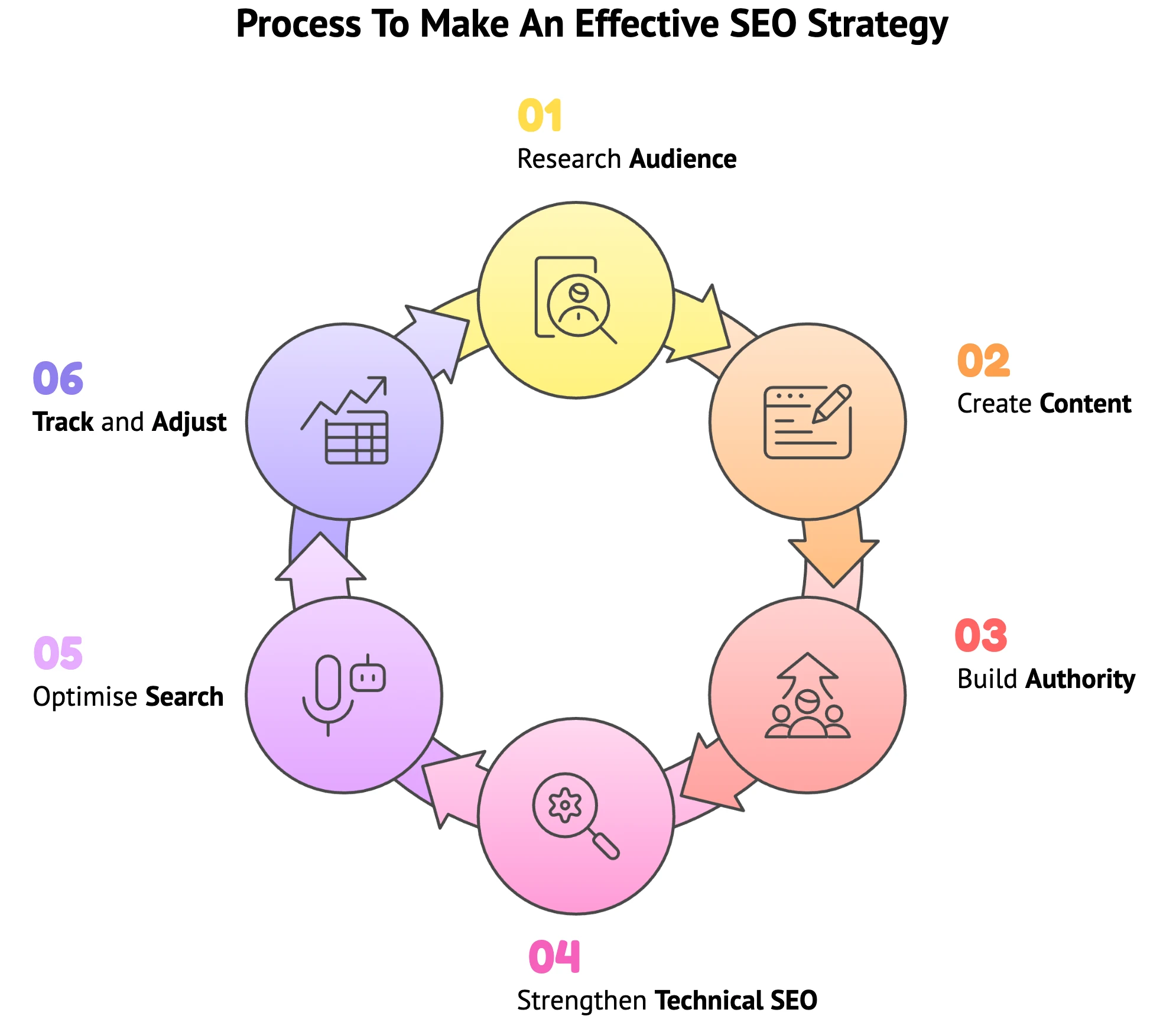
Research What Your Audience Searches For
Every strong SEO strategy starts with understanding your audience.
Before you write a single word of content, you need to dive into what people are actually searching for — not just what sounds good.
Tools like Ahrefs, Semrush, and Google Search Console can help you uncover the exact keywords and phrases your ideal customers use.
Look beyond basic search terms.
Focus on intent-driven keywords that reflect real problems and goals.
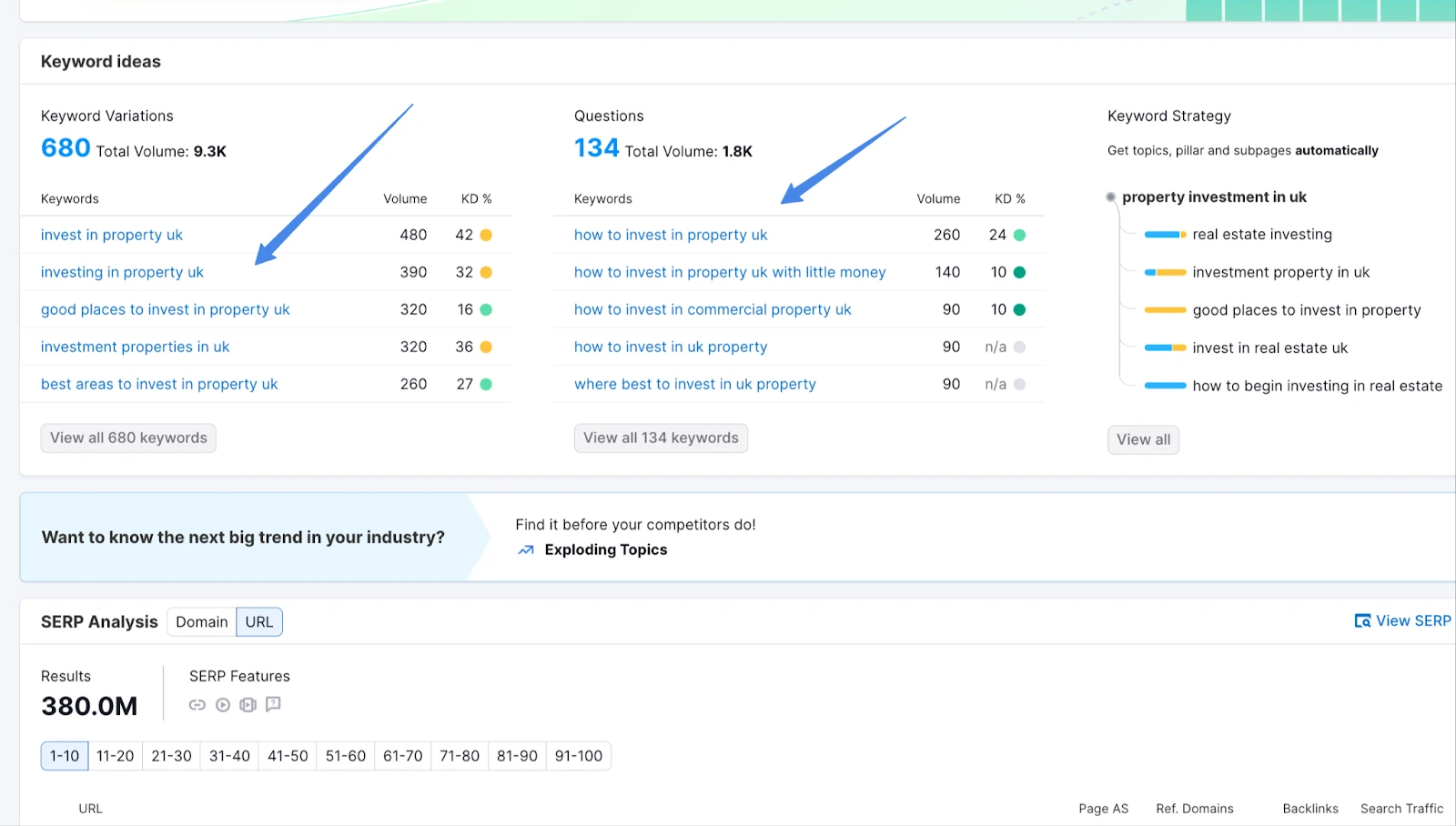
Source: Semrush
For instance, if you’re targeting property investors in the UK, you’ll want to appear for searches like “how to invest in property UK” or “where to invest in UK real estate.”
You should also create content that answers voice-style questions, such as “how do I choose the right CRM?” or “what’s the best accounting software for freelancers?”
These conversational phrases often show up in AI results and featured snippets.
In 2026, this kind of research is essential.
Google no longer rewards keyword stuffing—it rewards relevance and intent.
When your content matches what users genuinely want, it starts ranking exactly where it matters most.
Create High-Quality, Helpful Content
Once you know what your audience wants, give them content that actually helps.
Forget keyword stuffing — focus on clarity, usefulness, and trust.
Here’s what makes content rank today:
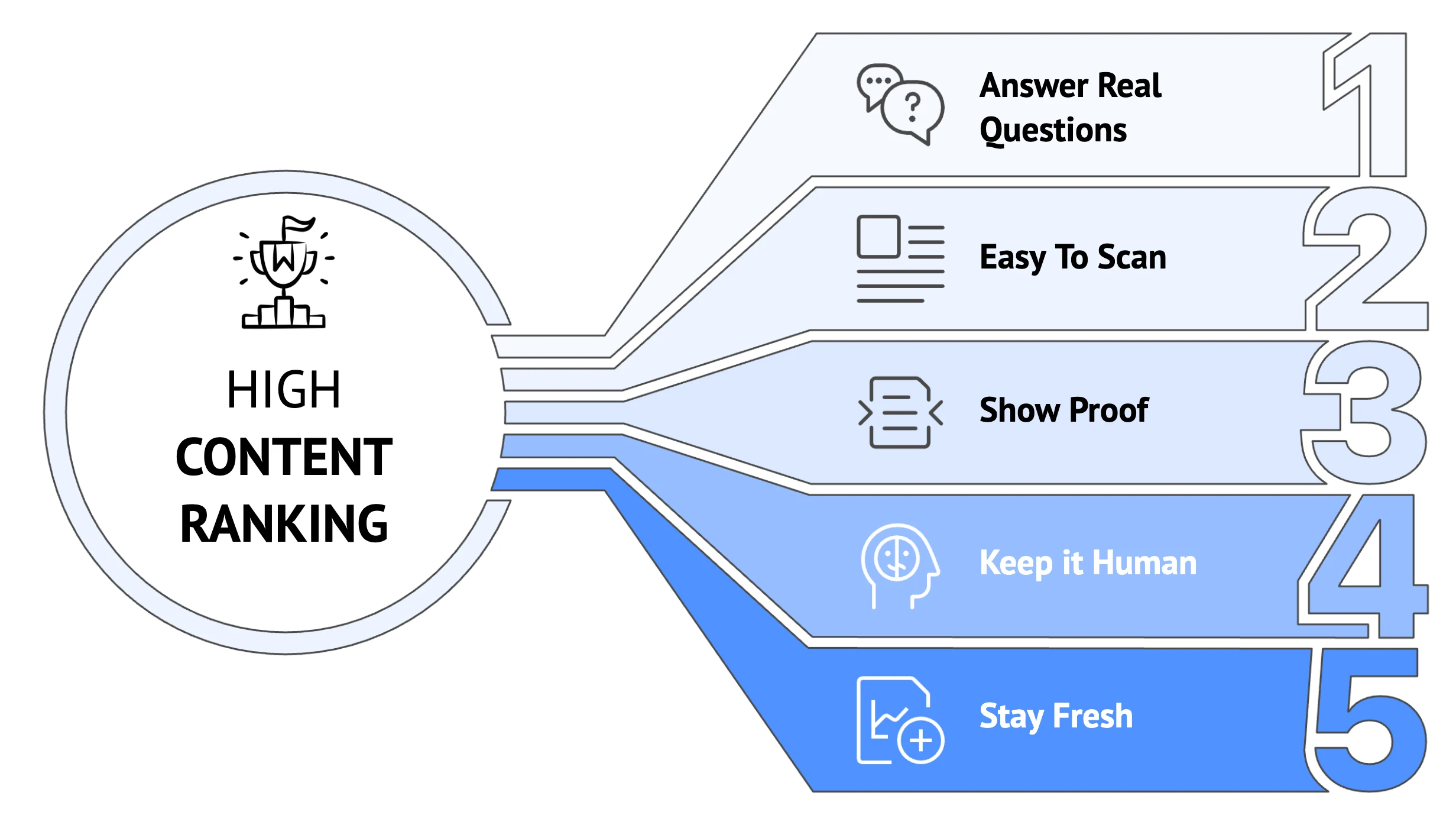
- Answer real questions. Cover topics fully so readers don’t need to look elsewhere.
- Make it easy to scan. Short paragraphs, visuals, and clear headings keep people engaged.
- Show proof. Add data, testimonials, and case studies to build credibility.
- Keep it human. Write naturally — sound like an expert, not a bot.
- Stay fresh. Update content regularly to stay relevant and competitive.
Use visuals, summaries, and FAQs to make your content easy to understand and voice-search friendly.
When your pages genuinely help users, metrics like dwell time and engagement rise naturally — and so do your rankings.
That’s exactly what Google (and AI-powered systems) reward — content that delivers real value.
Build Authority and Earn Backlinks
In 2026, backlinks are still gold — but only if they come from real authority.
We focus on earning links, not buying them.
Here’s what works best for us and our clients:
- Publishing original data or insights that people want to cite
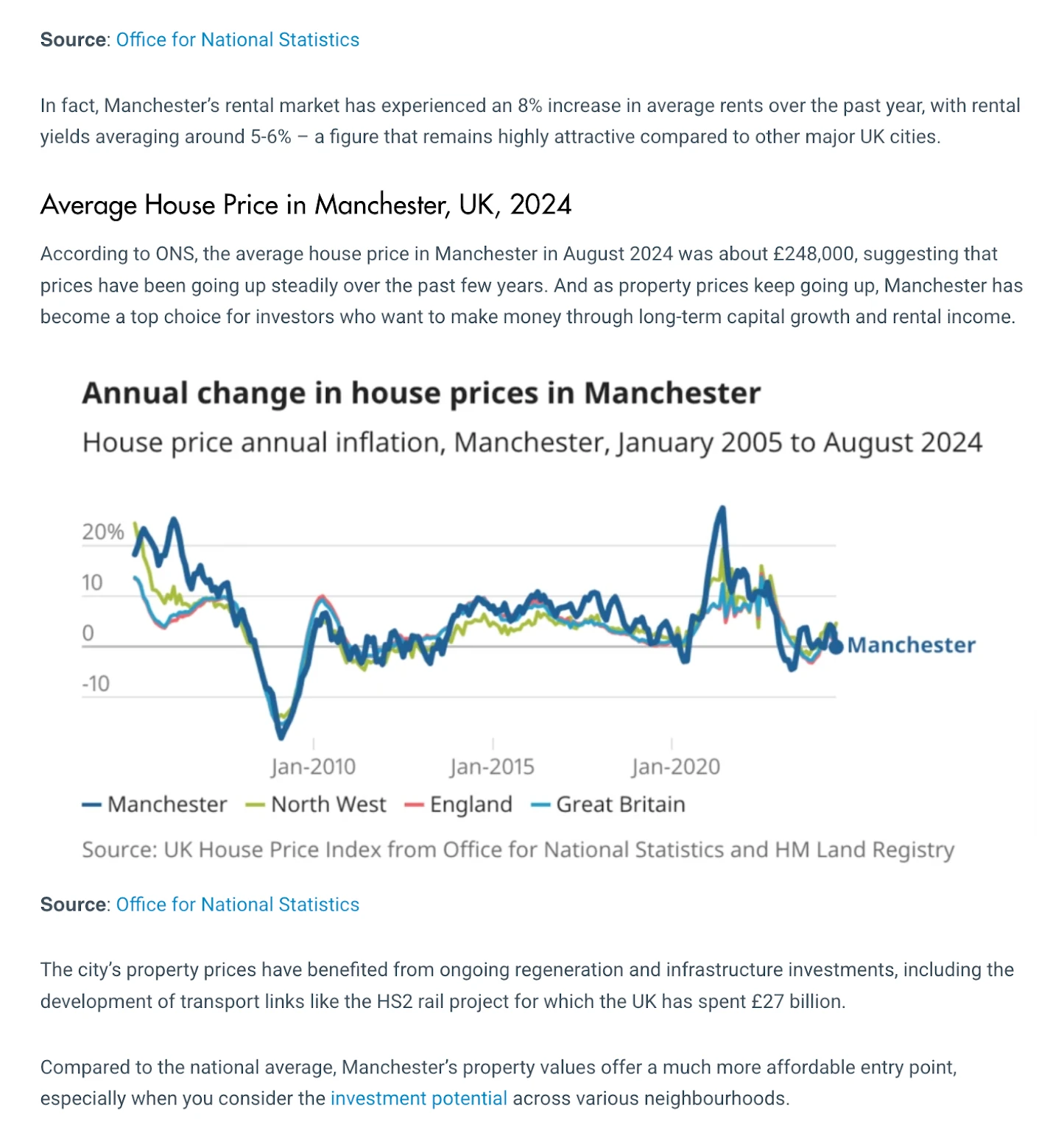
For example, one of our real estate SEO clients gained dozens of backlinks after we published market guides with the latest stats and facts about the housing market that no competitor was covering.
- Collaborating with industry leaders for interviews or guest features
- Getting featured in AI summaries, Google News, or trusted directories
Again, getting mentioned in AI summaries, tools, or “AI Mode” results is also becoming one of the most effective ways to attract high-quality backlinks and visibility.
When your content is cited by trusted AI platforms, other publishers and websites are more likely to reference your brand as a reliable source.
Overall, when other credible websites mention or link to you, Google sees that as a vote of trust.
And in a world full of AI-generated noise, trust is your biggest SEO asset.
Strengthen Your Technical SEO
Great content needs a solid foundation.
We’ve seen beautifully written blogs fail simply because their websites weren’t technically sound.
Here’s what we always check:
- Core Web Vitals: fast load times and mobile responsiveness
- HTTPS security for safe browsing
- Structured data to help AI and Google understand your pages
As I mentioned earlier, sites that load in under 2.5 seconds see up to 70% longer average session times.
That’s why you should always prioritise regular audits, so you can catch technical issues before they even start hurting performance.
Optimise for Local and Voice Search
Local SEO and voice search are becoming inseparable.
If your business serves a specific location, you can’t afford to ignore this.
We recommend:
- Claiming and optimising your Google Business Profile
- Keeping your Name, Address, and Phone (NAP) consistent everywhere
- Adding reviews and responding to them regularly
- Targeting natural voice queries like:
- “Best Italian restaurant near me”
- “What are the Benefits of choosing a top seo agency?”
- “Top-rated dentist in London ”
By optimising for these conversational queries, your business shows up exactly when people are ready to act.
Track, Measure, and Adjust
SEO isn’t a “set it and forget it” strategy — it’s a living system that evolves every quarter.
We track everything.
Our go-to tools include Google Analytics 4 (GA4), Ahrefs, and Search Console.
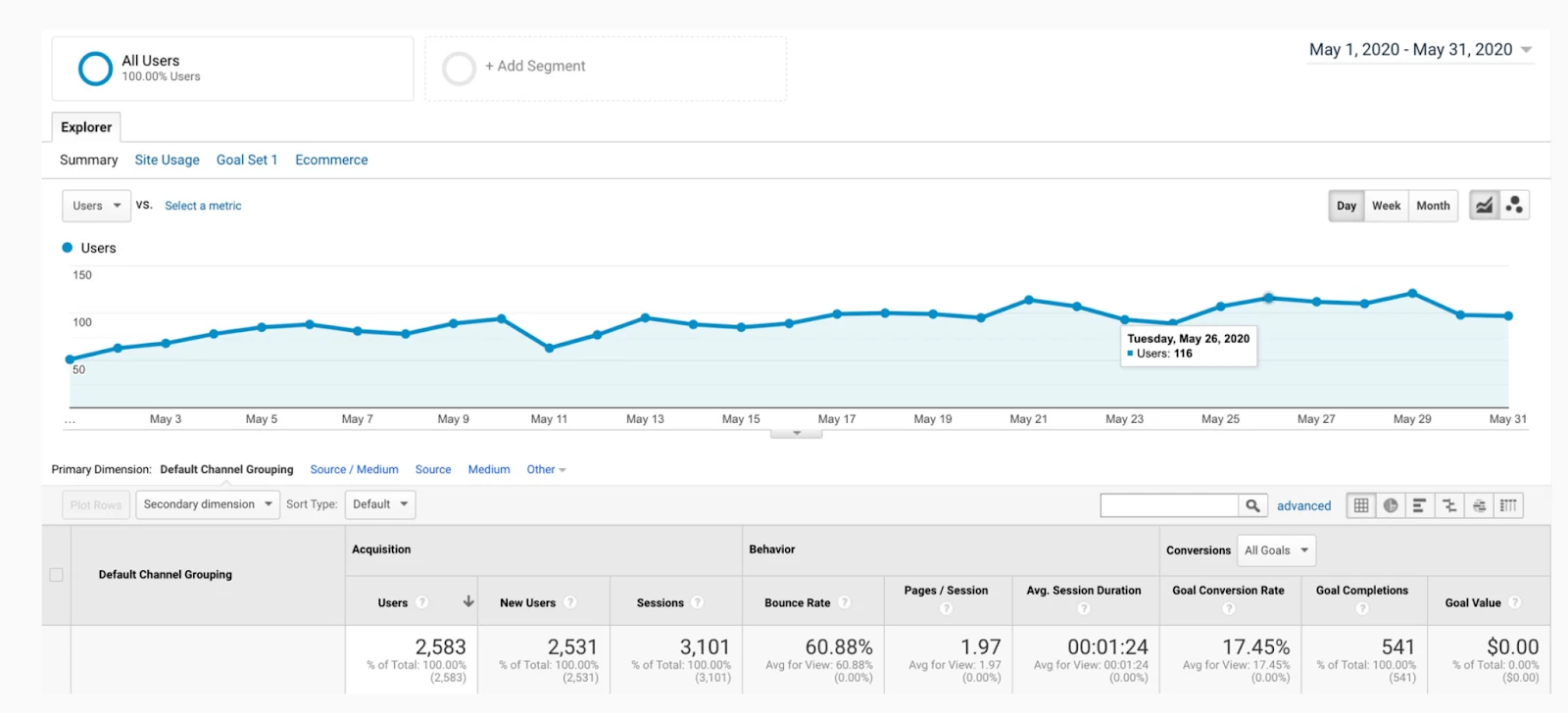
Read full case study here: Astro London Case Study
Here’s what you should monitor:
- Organic traffic and conversions – Check if your search traffic is turning into actual leads or sales.
- Keyword and topic rankings – Track performance for your main keywords and topic clusters, not just one-off terms.
- Backlink quality and domain authority – Focus on earning links from credible, high-authority sources.
- Core Web Vitals and site performance – Keep an eye on speed, stability, and mobile responsiveness.
- AI and voice visibility – Track if your content appears in AI summaries, featured snippets, or voice search results.
- Local performance – Monitor your map pack rankings and customer review growth.
At Credofy, we align these metrics with actual business goals — traffic that converts, brand mentions that build authority, and leads that reduce acquisition costs.
That’s how you turn SEO into a measurable growth engine.
Pro Tip:
Use AI tools like Frase, SurferSEO, or MarketMuse for content planning — but don’t let them replace human strategy. AI helps you move faster, but authenticity and insight are what make your brand memorable.
When you put all six steps together, you’re not just building SEO — you’re building a growth system.
It attracts traffic, earns trust, and turns that attention into revenue.
Marketing Research & Strategy
We help you understand your market and build smart strategies to attract more customers and grow faster.
- Detailed research into your competitors, customers, and market
- Custom marketing and growth plans that drive real results
- Clear action steps to increase traffic, leads, and sales
ADWORDS ROI
Cut Ad spend
SEO Services and Costs in 2026
If you’re planning to invest in SEO this year, understanding service options and costs is key.
In 2026, SEO pricing varies widely depending on the type of service, the size of your business, and how competitive your industry is.
The good news?
High-quality SEO still delivers one of the best returns on marketing investment.
Popular SEO Services
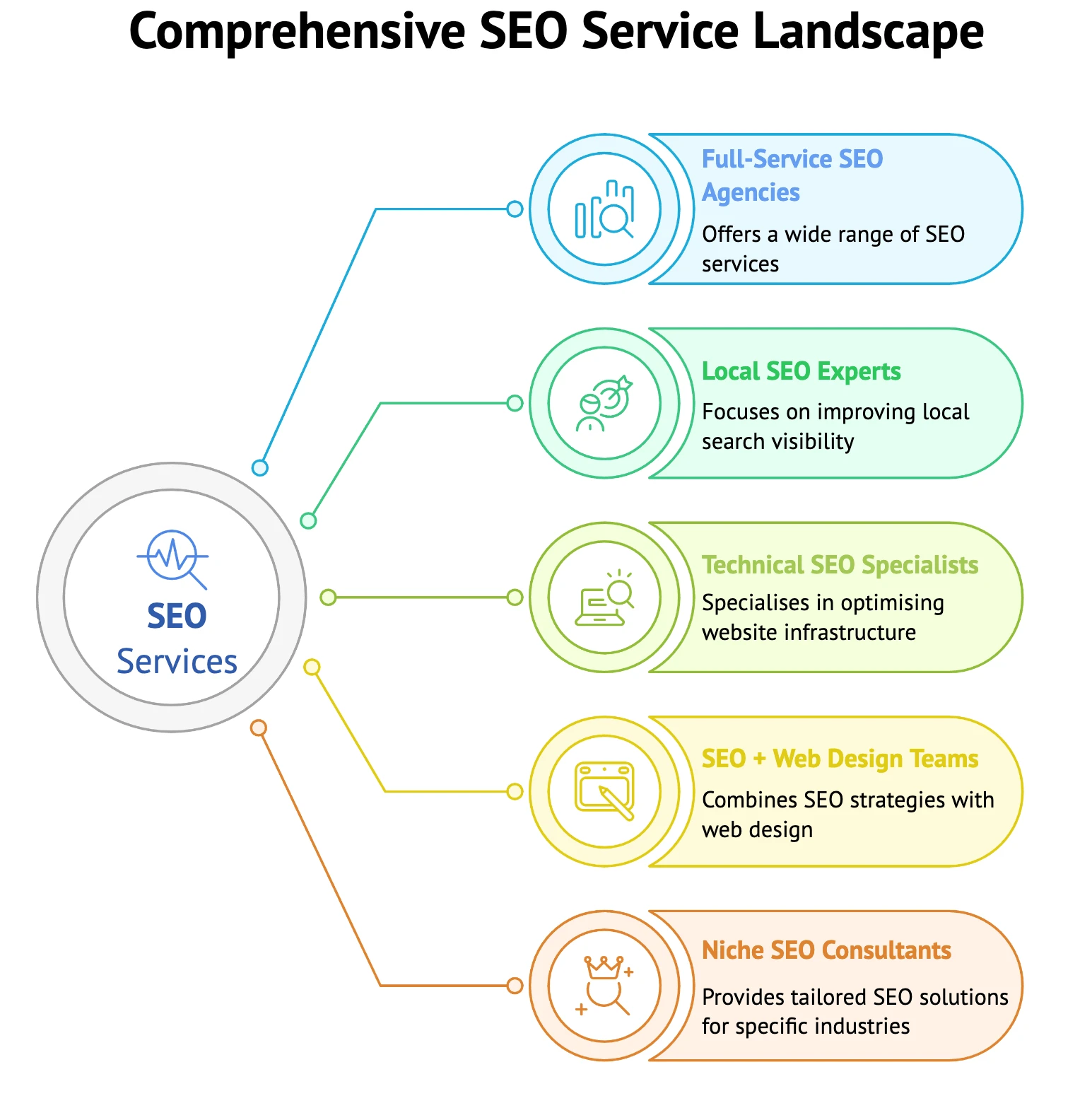
1. Full-Service SEO Agencies
Handle everything from strategy and keyword research to content creation, link building, and technical optimisation. Ideal for businesses that want complete, hands-off SEO management.
2. Local SEO Experts
Focus on boosting visibility in map listings, directories, and “near me” searches. Perfect for restaurants, clinics, real estate agencies, and other location-based businesses.
3. Technical SEO Specialists
Fix site structure, speed, and crawl issues to ensure your website meets Google’s performance standards — essential for large or complex sites.
4. SEO + Web Design Teams
Combine website design and optimisation from day one, ensuring your site looks great and ranks well. This approach often delivers faster, more sustainable SEO results.
5. Niche SEO Consultants
Offer tailored expertise for industries like real estate, healthcare, finance, or SaaS, where audience intent and search patterns are unique.
Estimated Pricing for SEO in 2026
| Service Type | Average Monthly Cost |
|---|---|
| Freelancer / Consultant | $500 – $2,000 |
| Small SEO Agency | $1,500 – $5,000 |
| Enterprise-Level SEO | $5,000 – $20,000 | One-Time SEO Audit | $500 – $2,500 |
Note: Costs vary based on your goals, competition level, and the scope of work — but quality SEO consistently delivers measurable ROI.
Many of our clients see compounding growth in traffic and leads within 4–6 months, with ROI ranging between 200–275% compared to paid ads.
That’s why smart brands view SEO not as a cost, but as a long-term business investment.
Digital Marketing, SEO & PPC
- SEO to boost rankings and capture high-intent, AI-driven traffic
- Performance Marketing to run ROI-focused campaigns that convert
- Content Marketing to drive clicks, earn links, and build authority
Conclusion
SEO marketing in 2026 isn’t about chasing algorithms; it’s about building trust, showing expertise, and creating real value for your audience.
The principles of good SEO haven’t changed — they’ve just evolved:
- Create quality content that genuinely helps people and answers their questions.
- Keep your website fast, secure, and easy to navigate.
- Build authority and consistency through trust and transparency over time.
The difference now is how you apply them.
The brands that grow fastest are the ones that optimise not just for Google, but for people and AI-driven discovery.
If you focus on helping users first, rankings, leads, and revenue naturally follow.
That’s the smarter way to grow — sustainably, predictably, and with purpose.
So if you’re ready to future-proof your growth and want a clear, customised roadmap for your business…
Let’s build an SEO strategy that doesn’t just rank — it wins.
Frequently Asked Questions related to SEO
What is SEO marketing?
SEO marketing is the process of improving your website’s visibility in organic search results so you can attract qualified traffic — without paying for ads.
It combines keyword optimisation, content creation, and technical improvements to help your pages rank higher on Google and other search engines.
Why is SEO still important in 2026?
SEO is important because credibility and trust can’t be bought. Even as AI-driven search evolves, SEO remains the foundation of online visibility.
It helps your business appear in organic results, AI summaries, and voice searches — exactly where people are already looking for answers.
How does SEO work in digital marketing?
SEO is the backbone of digital marketing. It drives organic visibility, supports content marketing, enhances user experience, and lowers ad costs by generating sustainable traffic.
When combined with paid and social campaigns, SEO amplifies every other marketing channel.
How does SEO help build brand awareness?
Every time your site appears in search results, featured snippets, or AI summaries, it reinforces your brand’s credibility.
People begin to recognise your business as a trusted source — even before they click. Over time, that consistent visibility builds awareness and authority.
How does SEO work step by step?
Here’s a simple overview:
- Research what your audience searches for.
- Create content that answers those queries.
- Optimise titles, descriptions, and internal links.
- Improve your site’s speed, security, and structure.
- Earn backlinks from trusted websites.
- Track, measure, and refine your strategy.
SEO is a continuous process — the more consistent you are, the stronger your results become.
How can I SEO my website?
Start with the essentials:
- Research high-intent keywords.
- Create helpful, well-structured content.
- Optimise meta tags, headings, and URLs.
- Improve mobile speed and Core Web Vitals.
- Earn backlinks from credible sources.
If you’re not sure where to start, an SEO audit or partnering with a professional agency can fast-track results.
What are the best SEO practices in 2026?
The fundamentals haven’t changed — but the bar has. Focus on:
- Intent-driven keywords, not just volume.
- Expert, people-first content.
- Fast, secure, and accessible websites.
- Building topic clusters instead of chasing single terms.
- Consistency — authority grows with time and effort.
How do SEO backlinks work?
Backlinks are links from other websites that point to your content — like votes of trust.
When credible sites link to you, Google sees it as validation that your content is valuable. High-quality backlinks help improve your rankings, authority, and referral traffic.
How long does it take to see results?
Most websites start seeing visible improvements within 3–6 months, depending on competition and how consistent the strategy is. SEO is compounding — the longer you invest, the greater and more stable your results.
When does Google Ads charge you?Are SEO services worth it?
Definitely, quality SEO services deliver one of the best returns in digital marketing — often 200% or higher ROI. Unlike paid ads that stop when your budget does, SEO keeps generating traffic, leads, and brand trust long after the work is done.
How is SEO changing with AI?
AI is transforming how users find information. Tools like Google’s SGE, ChatGPT, and Perplexity summarise content directly in search results.
To stay visible, focus on Answer Engine Optimisation (AEO) — structure content clearly, use data-backed insights, and show real expertise.
In short, SEO now means earning trust from both humans and AI systems.