
How to Build a Content Strategy That Converts (2026 Edition)


Building a High-Conversion Content Strategy for 2026
Table of Contents
Serious about growing your business? Let’s plan exactly how to get you more leads, sales, and results—faster.

To help you uncover your own Why, we’ve created a free Discovery Workbook.
It walks you step by step through defining your mission and purpose.
In 2025, businesses are creating content faster than ever — thanks to AI, automation, and the constant push to “stay visible.”
But here’s the irony:
- While publishing has never been easier, impact has never been harder.
- Audiences now crave connection, not volume.
- Google rewards depth, not noise.
- And brands that don’t adapt risk disappearing into the algorithm.
At Credofy, we’ve helped businesses shift from random posting to strategic storytelling — building content marketing systems that attract, engage, and convert.
This guide breaks down exactly how to do the same — step by step.
Because the difference between content that fills a feed and content that drives growth is strategy.
A clear, structured digital content strategy turns every post, blog, and video into a business asset — something that builds visibility, trust, and leads on repeat.
Without it, you’re just creating for the sake of creating — wasting time, energy, and opportunities.
If your content feels active but not effective, this roadmap will help you change that.
You’ll learn how to build a strategy that attracts the right audience, earns trust, and turns attention into qualified leads.
Let’s start with the basics.
What Is a Content Strategy?
We see it all the time — businesses posting on Instagram one week, dropping a video on YouTube the next, and maybe sharing a quick update on LinkedIn when inspiration strikes.
And then they wonder why nothing’s really working.
A content strategy is what turns all that effort into real impact.
It works like magic.
It replaces random posting with a clear roadmap that helps businesses create content with purpose, connect with the right audience, and see measurable results.
It’s your blueprint — a plan for how your business creates, publishes, and manages content across every channel to attract your audience, build trust, and drive growth.
In simple terms:
It’s how you use content to communicate who you are, connect with your audience, and convert attention into action.
A strategy gives every post purpose — and your brand the consistency it needs to grow.
It’s not about creating more; it’s about creating smarter.
Because when every piece of SEO content aligns with your goals, you stop guessing what to post and start publishing with confidence.
That’s the power of strategy — it’s what separates brands that scroll by from brands that stick.
Digital Marketing, SEO & PPC
- SEO to boost rankings and capture high-intent, AI-driven traffic
- Performance Marketing to run ROI-focused campaigns that convert
- Content Marketing to drive clicks, earn links, and build authority

Why Is Content Strategy Important for Any Business?
You can post every day, write weekly blogs, or even boost your content with ads.
But without a proper content marketing strategy, all that effort is wasted.
A strong content strategy doesn’t just tell you what to post —
It aligns your message, audience, and goals so every piece of content actually works for you.
And takes your business to the next level.
It gives your brand clarity, consistency, and purpose — the 3 things most businesses lack when it comes to marketing online.
It Aligns Your Message and Vision
A defined strategy ensures that your content always supports your brand’s goals, not random ideas or trends (promoting one thing this week and something different the next).
Every post, article, and email reinforces what your brand stands for.
We’ve worked with several B2B brands that were producing content regularly but lacked direction.
Once we aligned their strategy with their “why” and overall business vision, their engagement and conversions doubled within just a few months.
But how do you uncover your own “why” — the core reason your brand exists beyond making a lot of money?
If you haven’t defined it yet, download our “Uncover Your Why” workbook now.
2. It Builds Trust and Authority
People don’t buy from brands they don’t trust.
Consistent, valuable content shows your expertise and builds credibility over time.
That’s the real power of strategic content marketing — it turns your brand from just another voice online into a trusted authority.
3. It Attracts the Right Audience (and Filters the Wrong One)
A good content strategy uses audience research and SEO to attract people who actually want what you offer — not just anyone scrolling by.
That means better engagement, more qualified leads, and fewer wasted efforts.
4. It Saves Time and Resources
Most teams waste time deciding what to post every week.
With a plan in place, you stop guessing what to post.
You create with intention — once — and repurpose it across channels.
No more “What should we post today?” chaos.
5. It Drives Long-Term Growth
Ads stop the moment your budget does.
But great content keeps working — building visibility, traffic, and trust long after it’s published.
We’ve seen one well-optimised article continue to bring qualified leads for over a year.
That’s what happens when your SEO content is built strategically.
That’s why investing in a clear content marketing strategy is one of the most cost-effective ways to grow your brand online.
The Core Ingredients Behind Every High-Performing Content Strategy
Most content marketing strategies fail because they only look good on paper and not in practice.
It’s easy to brainstorm 50 ideas in a Notion board, but it’s harder to build a content system that actually drives traffic, engagement, and revenue.
So the question is, what really makes a content strategy effective?
It’s not just about how much you post — but how aligned, intentional, and consistent your content creation strategy is.
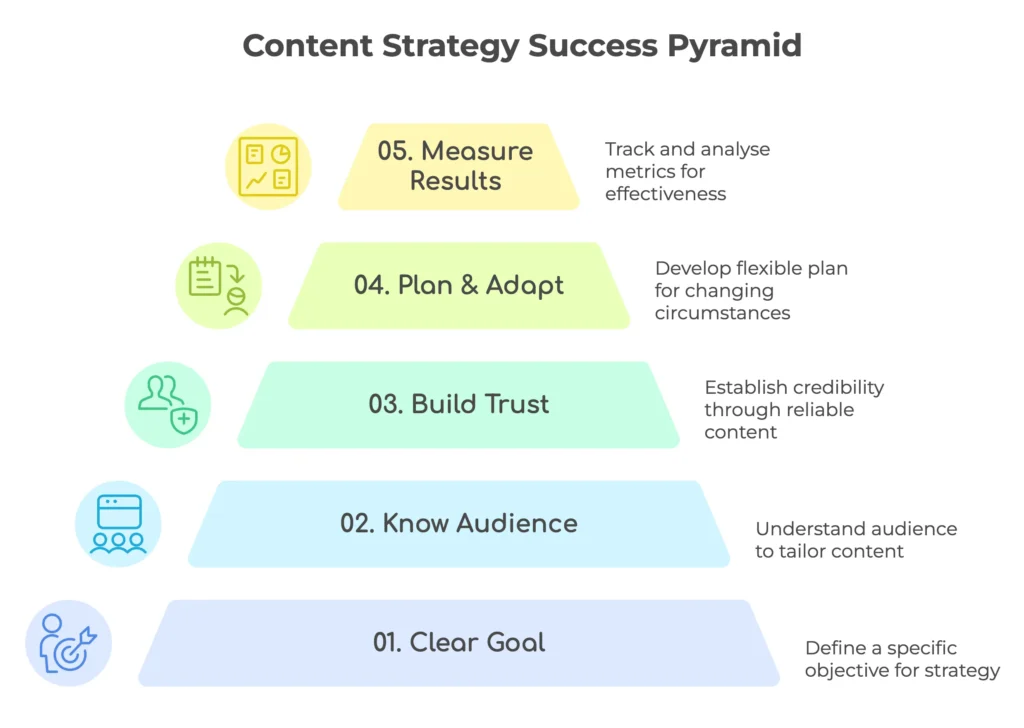
1. Always Start with a Clear Goal
Every brand wants “growth,” but growth means different things.
Do you want more visibility? More leads? More trust?
When you define what success looks like, every piece of marketing content suddenly has direction.
This clarity ensures your content plan supports real business outcomes, not vanity metrics.
2. Know Your People, Not Just Your “Target Audience”
Forget vague demographics — think emotions, struggles, and motivations.
When you understand why your audience clicks, buys, or scrolls away, you create content that actually connects.
That’s where real brand content marketing begins — when every message speaks to the right pain point, in the right voice.
3. Build Trust Through Consistency
Your content is your voice.
If that voice keeps changing — one week professional, the next casual — your audience stops recognising you.
A strong brand doesn’t shout louder; it speaks the same truth everywhere.
That’s the essence of a brand and content strategy — consistency that builds credibility.
4. Have a Plan (But Stay Flexible)
A content marketing plan isn’t about locking yourself into a rigid calendar.
It’s about creating rhythm — knowing what’s next while staying agile when trends, data, or opportunities appear.
This balance keeps your content strategy responsive and relevant.
5. Measure What Matters
Likes are nice, but leads, conversions, and retention tell the real story.
Track what moves your business — not just what looks good on your feed.
A great B2B content marketing strategy thrives on insights, not assumptions.
For instance, if your goal is brand awareness, focus on SEO-driven blogs and short-form social media content that builds reach.
If it’s lead generation, long-form guides, webinars, and email nurture flows drive deeper engagement and conversions.
Recommended Read: 20 Advanced Lead Generation Strategies to Secure High-Quality Leads in 2025
Marketing Research & Strategy
We help you understand your market and build smart strategies to attract more customers and grow faster.
- Detailed research into your competitors, customers, and market
- Custom marketing and growth plans that drive real results
- Clear action steps to increase traffic, leads, and sales

ADWORDS ROI

Cut Ad spend

Real-World Example: Property Investment Client
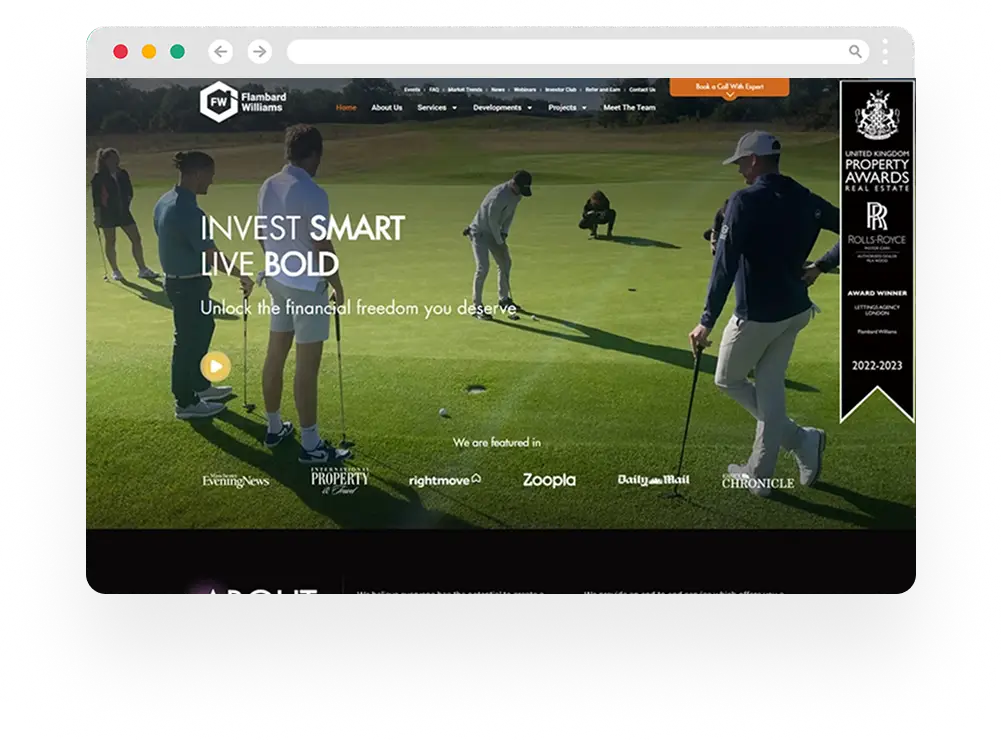
Last year, a UK property investment company came to us frustrated.
They were posting blogs here and there, trying to show up on Google — but nothing was moving.
Traffic was stagnant. Leads were slow.
And we immediately knew they needed a strategy that could drive visibility and leads — not just posts.
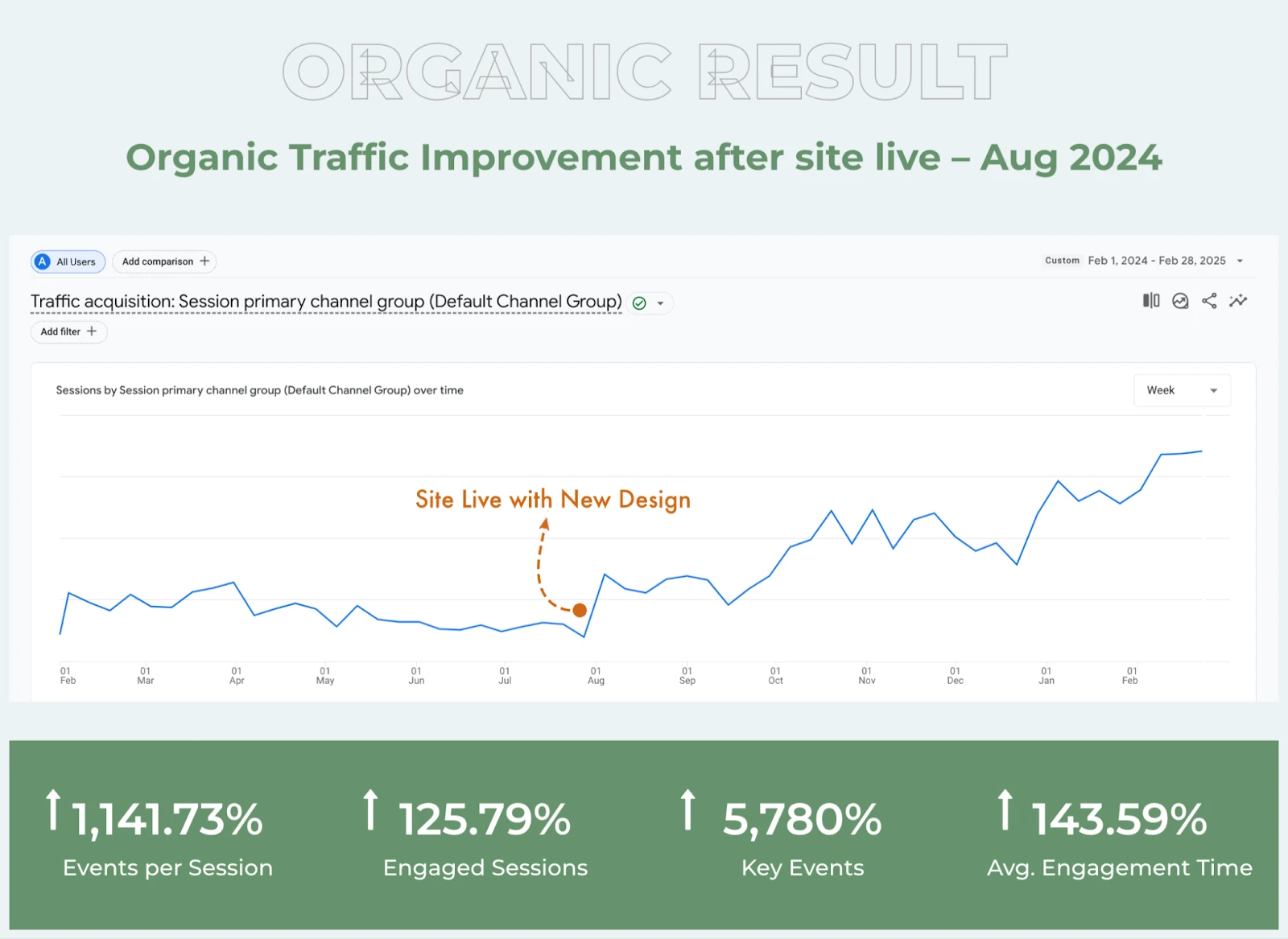
(A strategy that eventually 7x’d their organic traffic and brought in a steady stream of qualified investor leads.)
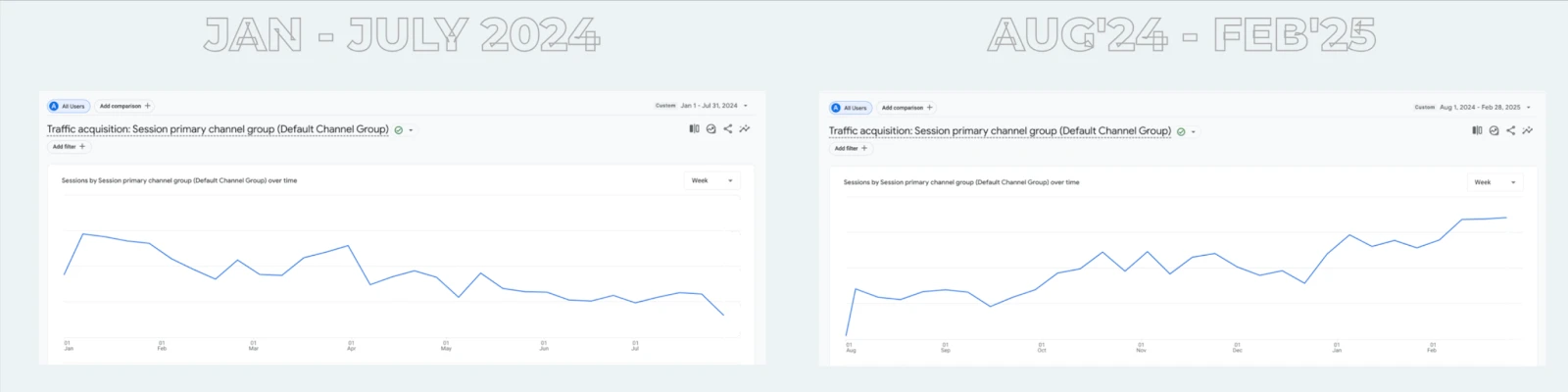
So, we began with a complete content audit, keyword research, and an SEO content strategy — a full framework that mapped every keyword, topic, and page to clear business goals.
The plan included primary keywords which we needed to target, keyword difficulty, LSI terms, on-page SEO checklist, targeted persona and ranking possibilities.
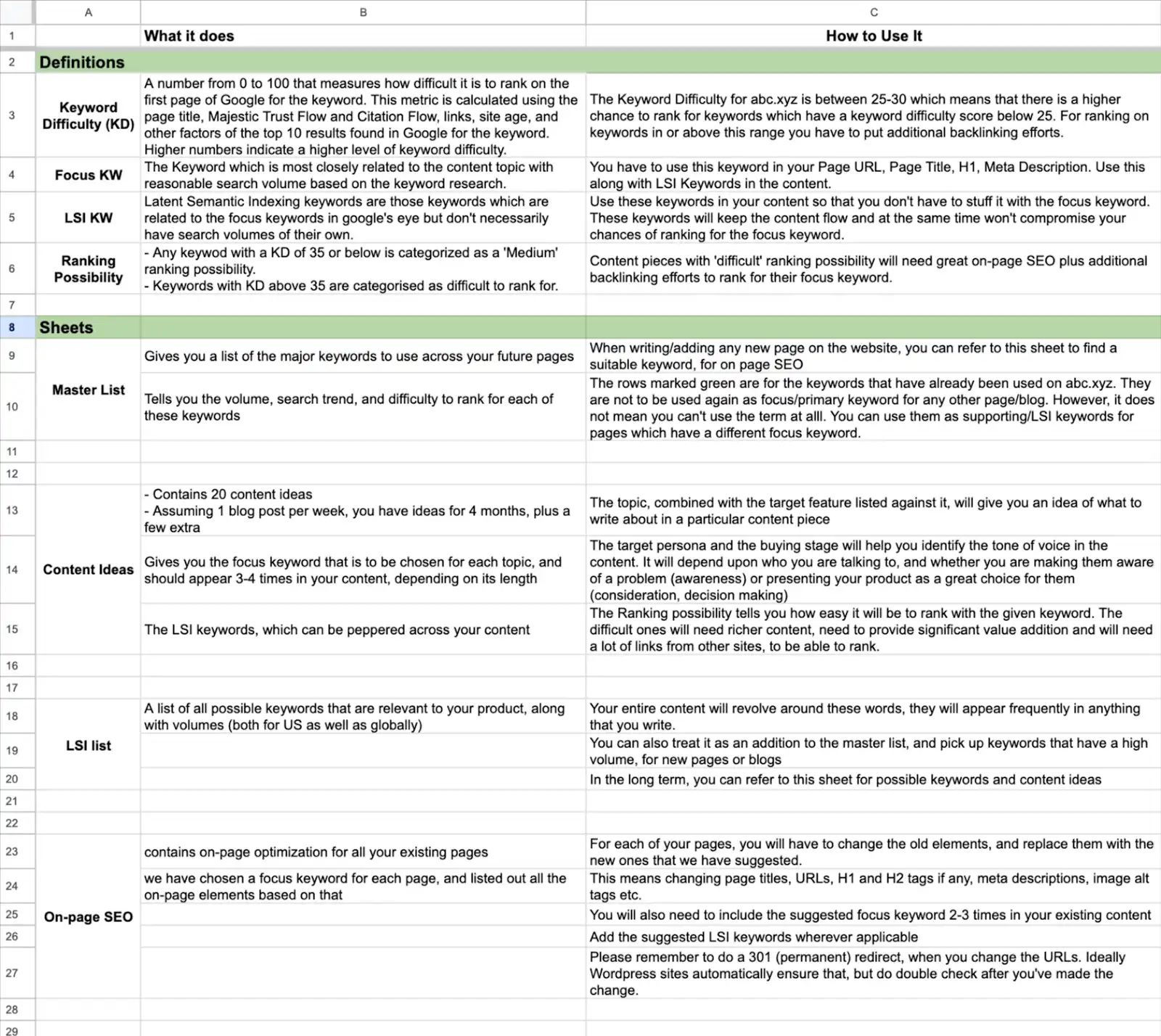
It gave the brand a roadmap for what to write, where to publish, and how to optimise for measurable results.
The data made it clear — investors weren’t looking for broad “how to invest” articles.
- Off-Plan Investment Opportunities in Manchester
- Benefits of Investing in Buy-to-Let in Liverpool
- Why Invest in Student Property in Nottingham
We built their digital content strategy around those high-intent topics, creating detailed, evergreen guides optimised for search intent and local SEO.
Each piece was designed to answer real investor questions, interlinked strategically, and supported by the SEO plan to ensure maximum discoverability.
Within just a few months, their organic traffic grew by over seven times.
Multiple city pages ranked on the first page of Google, and qualified investor leads started coming in consistently.
Quick Content Marketing Related Stats (2025)
- 70% of businesses invest in content marketing.
- Brands with documented strategies are 414% more likely to report success
- 90% of organisations now have a content marketing strategy.
- Only 29% of marketers describe their current content strategy as “extremely or very effective.”
- 88.2% of businesses expect their content marketing budgets to grow or remain steady in 2025.
- 11.4% of content marketers plan to spend over USD 45,000 per month on content — nearly triple last year’s share.
- 79% of very successful companies dedicate more than 10% of their marketing budgets to content.
- 49% of marketers directly attribute revenue growth to content marketing.
- Over 76% of marketers use high-quality content to attract and engage potential clients.
- Content marketing generates 3× more leads per dollar than traditional advertising while costing 62% less.
- Businesses that blog consistently experience 55% more website visitors than those that don’t.
- 61% of B2B marketers plan to increase investment in video content in 2025.
- Businesses leveraging AI and video together report a 68% higher ROI from their content strategies.
All these data points to one truth — content marketing works when it’s backed by strategy.
But what does that look like in action?
A small B2B consulting firm was publishing random blogs with little traction.
After we defined their content marketing strategy — focusing on client pain points, storytelling, and proof — everything changed.
Within just three months, they saw a 160% increase in qualified leads.
That’s the power of experience-led strategy.
Because when your content is built with intent and supported by real expertise, it doesn’t just perform — it compounds.
It ensures every word, video, and visual moves your business closer to its goals — with clarity, consistency, and purpose.
That being said, let’s get into the main question:
How can you actually build a content strategy that works for you?
How to Create a Content Strategy for Your Business (Step-by-Step Process)
Now that you know what a content strategy is — and why it matters — let’s break down exactly how to build one, step by step.
And these aren’t generic tips you’ve seen a hundred times.
We’re sharing the exact roadmap we use at Credofy to help our clients grow with content that helps them get more leads and sales.
Define Your Brand Foundation
Before you start creating content, you need clarity on who you are and what you stand for.
Because if your brand message isn’t clear, your content won’t be either.
- What’s your vision? (Where are you going?)
- What’s your mission? (Why do you exist?)
- What are your values? (What do you stand for?)
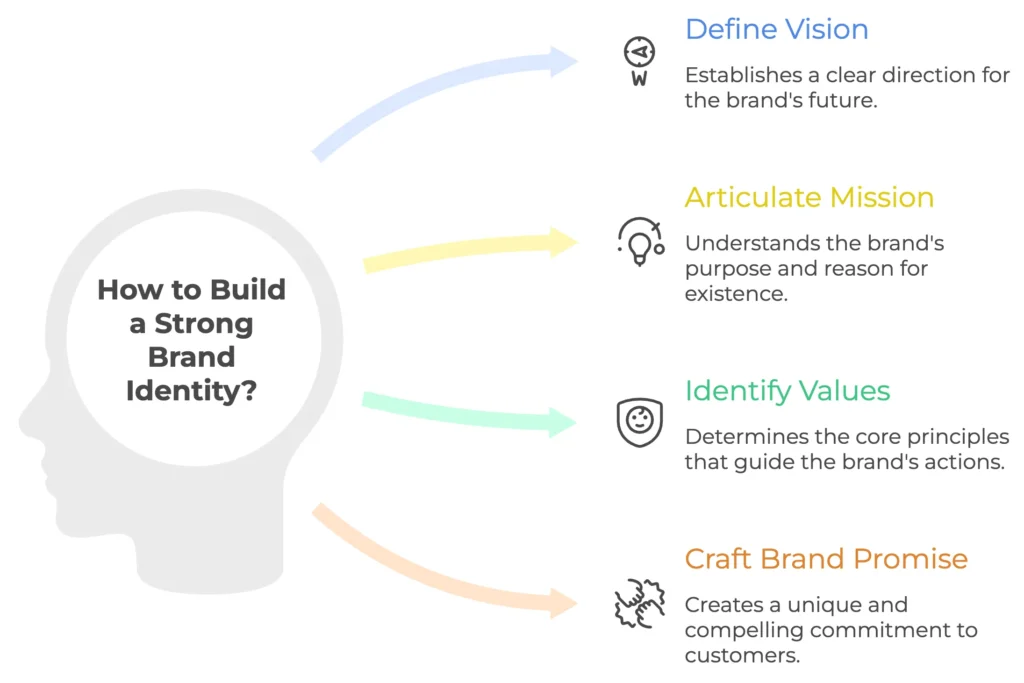
Then define your brand promise — the one thing you want customers to believe about you.
It’s what separates you from everyone else.
If your brand were a person, how would it speak, act, and connect?
That tone and behaviour become the base of your content style.

Innovation

Belonging

Motivation
- Apple → Innovation
- Airbnb → Belonging
- Nike → Motivation
When your content aligns with your brand foundation, it starts attracting the right people automatically.
You’re no longer creating random content, you’re building a story that’s consistent, recognisable, and rooted in who you are.
Set Clear Content Goals
Once your brand foundation is clear, the next step is to decide what success actually looks like for you.
Because here’s the truth — most businesses skip this part.
They jump straight into content creation without knowing what they’re trying to achieve.
And when you don’t know your destination, no amount of posting will get you there.
Your content goals should always tie directly to your business goals.
No matter whether it’s brand awareness, lead generation, conversions, or customer retention.
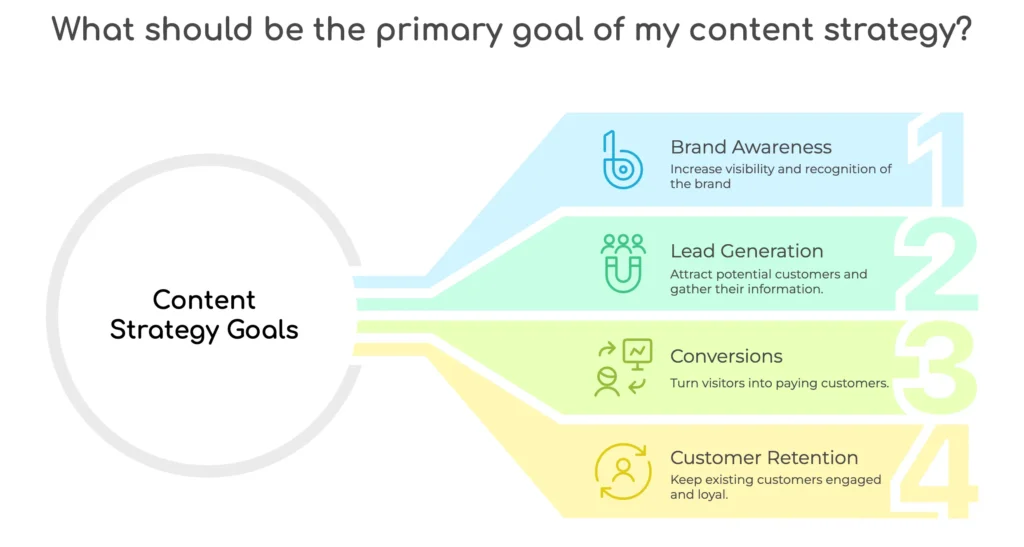
- Do I want more people to discover my brand?
- Do I want to build trust and authority in my space?
- Do I want to convert visitors into paying customers?
Once you’re clear on that, turn those ideas into measurable targets using the SMART framework — Specific, Measurable, Achievable, Relevant, and Time-bound.
→ “Generate 50 qualified leads per month through SEO content.”
→ “Improve engagement on LinkedIn by 40% in three months.”
When one of our property investment clients came to us, they said, “We just want more traffic.”
But traffic alone isn’t a goal — it’s a metric.
So we helped them reframe it using the SMART framework.
By the end of that conversation, their vague wish became a clear goal:
Increase qualified investor leads by 40% in six months through SEO content.
That simple shift gave their entire content plan direction.
Instead of guessing what to post, they started creating content that worked toward one clear outcome — and within months, the results followed.
Understand Your Audience
Before you create anything — blogs, videos, or social content — you need to know who you’re speaking to and what they actually care about.
Because content that tries to speak to everyone connects with no one.
At this stage, your goal is to build content that connects, not just communicates.
Start by identifying your ideal customer — their demographics, challenges, motivations, and objections.
Use real data from tools like Google Analytics, CRM insights, customer surveys, or even social listening.
Then, create 2–3 buyer personas that represent your main audience segments. Each persona should answer:
- What keeps them up at night?
- What goals are they chasing?
- What content do they consume before making a decision?
For example, we created detailed personas for one of our UK real estate clients.
It includes profiles like Secured Retirement Income and Aggressive Retirement Income.
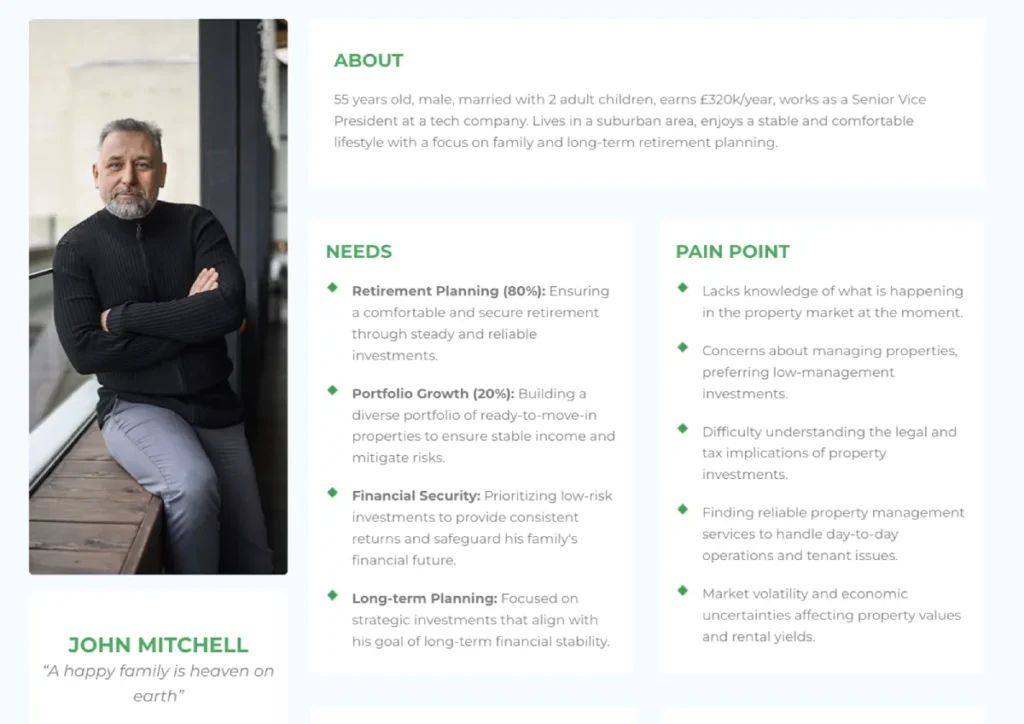
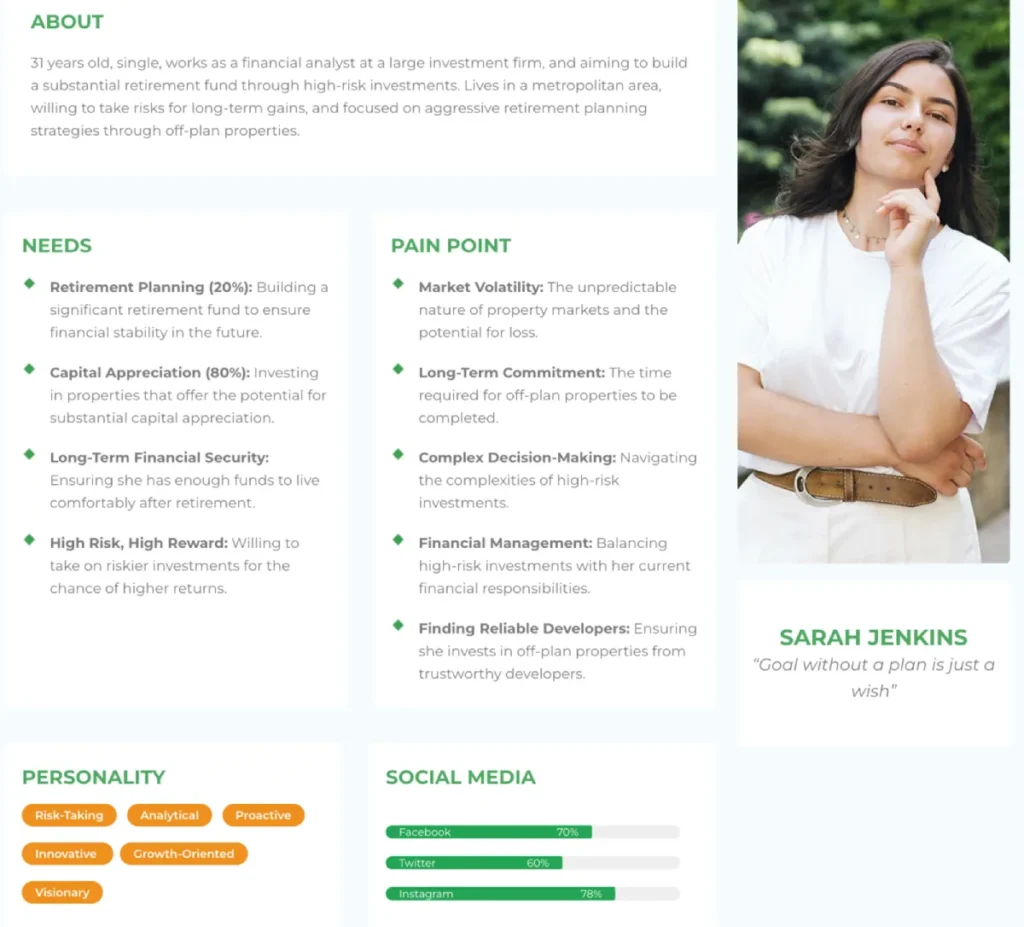
Each persona had distinct needs, motivations, and pain points — from low-risk investors focused on steady returns to high-risk professionals seeking long-term capital growth.
This level of clarity allowed us to tailor content precisely — from informative guides for cautious investors to ROI-driven insights for those seeking high returns.
The result?
Content that spoke directly to each audience type, making engagement and conversions feel effortless.
Once you know this, you can map your content to customer awareness levels.
A powerful framework that ensures your messaging hits the right stage of their journey:
- Unaware: They don’t know they have a problem yet → create relatable stories, insights, or pain-point content.
- Problem Aware: They know the issue → help them understand it better through guides or explainers.
- Solution Aware: They’re researching solutions → showcase comparisons, blogs, and frameworks.
- Product Aware: They know what you offer → show proof, results, and case studies.
- Most Aware: They’re ready to buy → use offers, testimonials, and decision-driven content.
When we worked with our UK property investment client, this audience mapping was a game-changer.
Their audience wasn’t just one group of “property investors.”
It was five — each at a different awareness level.
Some were unaware, casually browsing about “how to start investing.”
Others were solution aware, already searching for “best off-plan investments in Manchester.”
And a smaller group was most aware, comparing different developers before committing.
To address each group, we created a diversified content marketing strategy like the one in the image above:
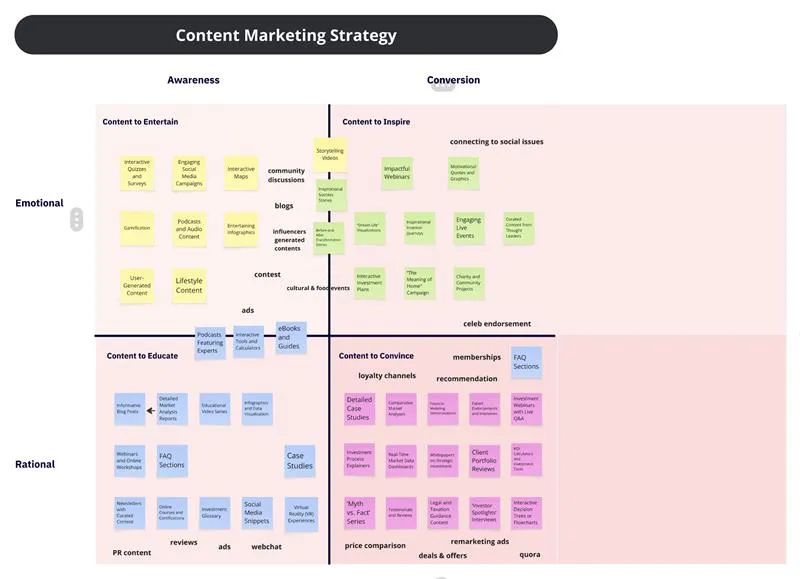
- For awareness, we focused on educational and emotional content — interactive guides, lifestyle blogs, and podcasts that introduced real estate investment in simple, relatable ways.
- For consideration, we used SEO-driven blogs, investment calculators, and webinars that explained ROI, locations, and investment opportunities.
- For conversion, we leaned into case studies, detailed guides, and city-specific investment pages — showing tangible results and trust signals.
By aligning every content piece with the right awareness stage, we built a funnel that guided readers from curiosity to conversion.
And ultimately helped the brand 7x its organic traffic and leads.
That’s how deep audience understanding turns random content into a content system that sells.
Audit Your Existing Content
Before creating anything new, start by looking at what you already have.
A proper content audit helps you understand what’s working, what’s missing, and what needs to go.
Here’s how to do it:
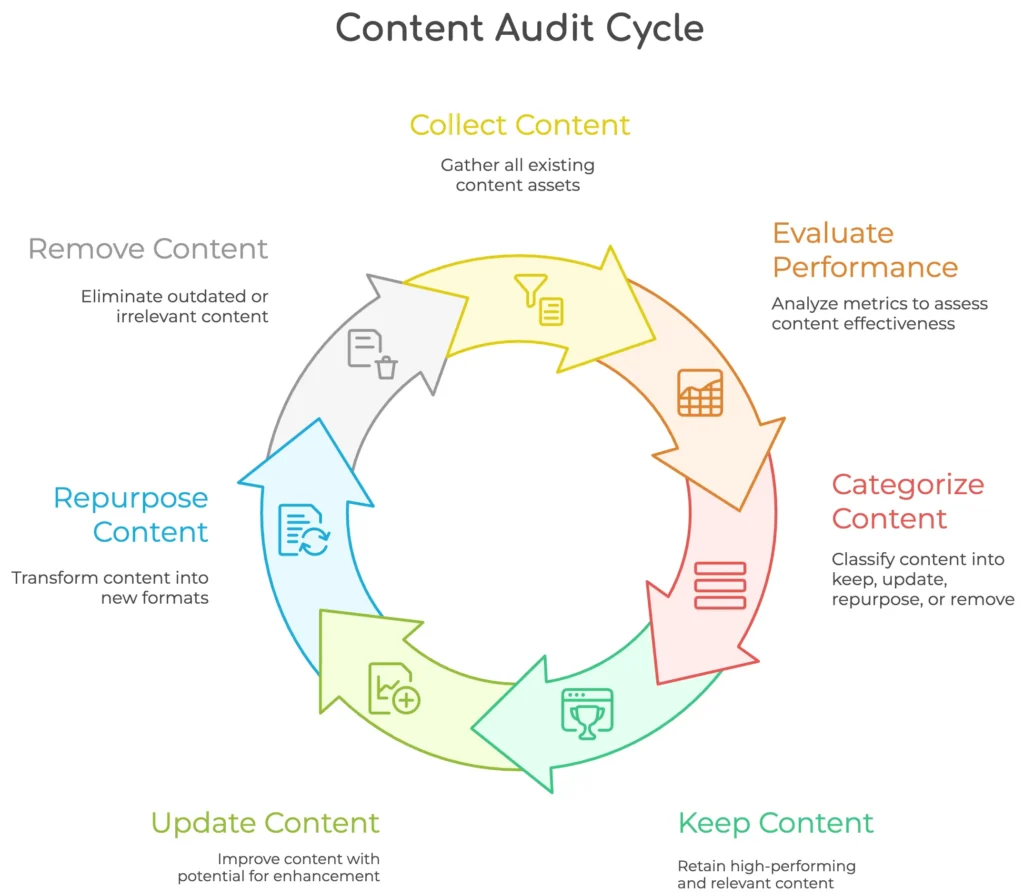
your website pages, blogs, landing pages, emails, and social posts.
look at traffic, conversions, engagement, and SEO metrics.
- Which posts drive consistent traffic?
- Which ones rank but don’t convert?
- Which ones perform well on social but not on Google?
- Keep (it’s performing well and relevant)
- Update (it has potential but needs improvement)
- Repurpose (turn a blog into a video, carousel, or email)
- Remove (outdated, duplicate, or irrelevant content)

→ GA4 (for traffic & engagement),
→ Ahrefs or Ubersuggest (for rankings & backlinks),
→ HubSpot or Notion (for content inventory)
When we ran a full audit for the same UK property investment client, we discovered dozens of blogs competing for similar keywords — diluting their SEO strength.
We merged overlapping content, updated outdated data, and improved internal linking between related topics.
The result?
A 35% reduction in total content volume.
And a 2x increase in average organic traffic per page within two months.
So by running a structured audit like this, you’ll have complete clarity on what to keep, fix, or create next.
And a sharper foundation to build your content strategy on.
Do Keyword Research (The SEO Power Step)
Once your content audit is done, it’s time to fill the gaps — strategically.
That’s where keyword research comes in.
This step ensures your content isn’t just valuable — it’s discoverable.
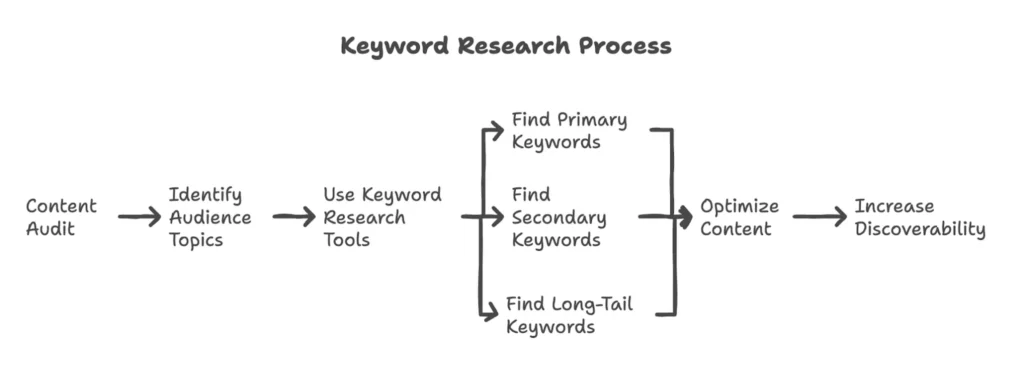
Start by identifying the topics your audience actually searches for.
Use tools like Google Keyword Planner, Ahrefs, SEMrush, or Ubersuggest to find the right mix of:
High-value, core topics that drive traffic.
Related terms that strengthen SEO context.
Specific phrases with high intent (great for conversions).
Focus on Search Intent
Not all keywords are equal. Match them to where your audience is in their buying journey:
-
Awareness (Top of Funnel):
“What is content marketing?” or “How to start investing in property” -
Consideration (Middle of Funnel):
“Best content marketing tools for small businesses” or “Off-plan investment opportunities UK” -
Decision (Bottom of Funnel):
“Hire content strategist for SaaS” or “Buy-to-let investment company Manchester”
This helps you design a full content funnel — from attracting new visitors to converting ready-to-buy leads.
Pro Tip:
Group your keywords into topic clusters — one main topic supported by related subtopics.
→ Subtopics: Buy-to-Let Guide, House Prices in Manchester, Investment Areas to Watch
This structure boosts SEO authority, keeps your content organised, and helps Google understand how your pages connect.
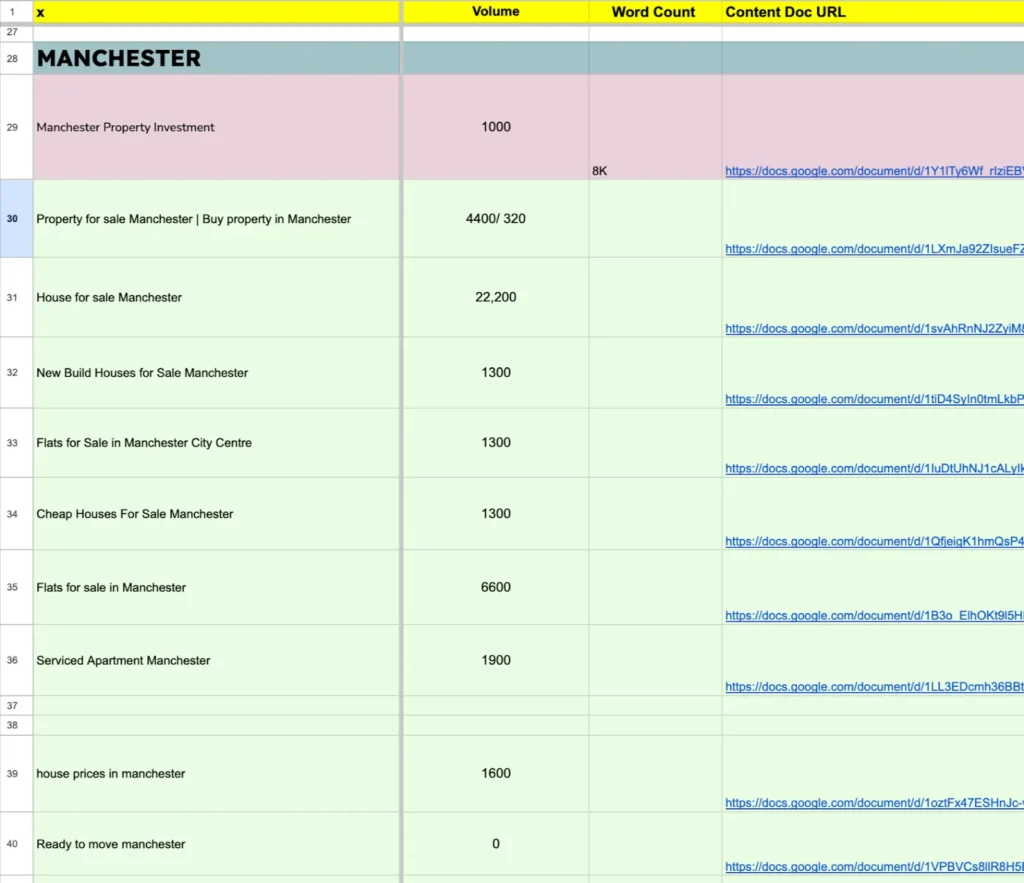
For our property investment client, we used this exact approach.
We created keyword clusters around cities (Manchester, Liverpool, Nottingham) and intent (off-plan, buy-to-let, student property).
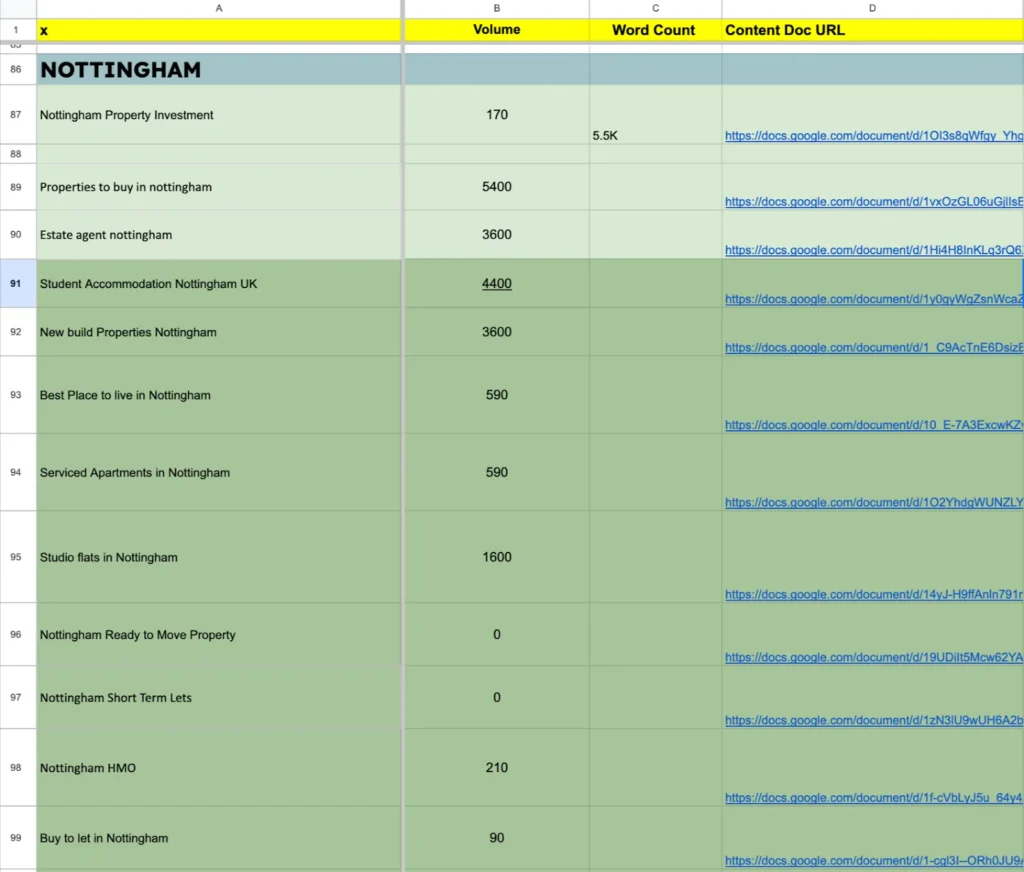
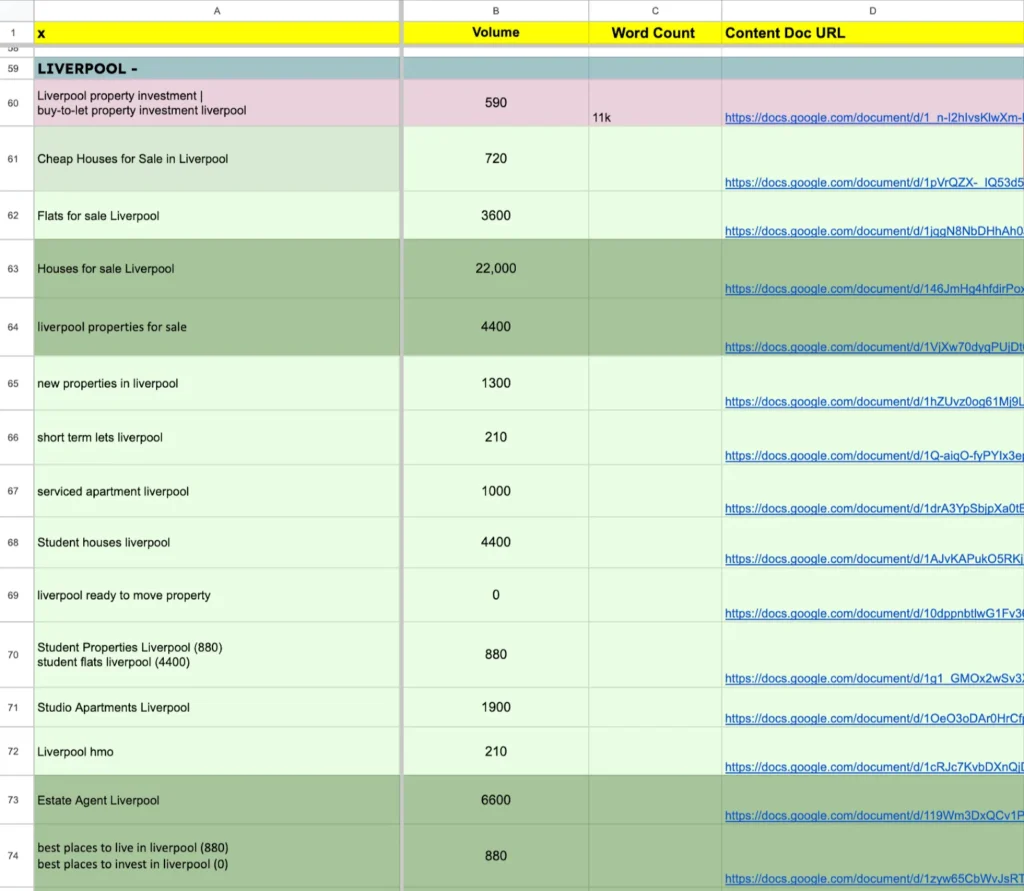
Within three months, several pages started ranking for 50+ related keywords each, driving high-quality, local traffic that converted into investor leads.
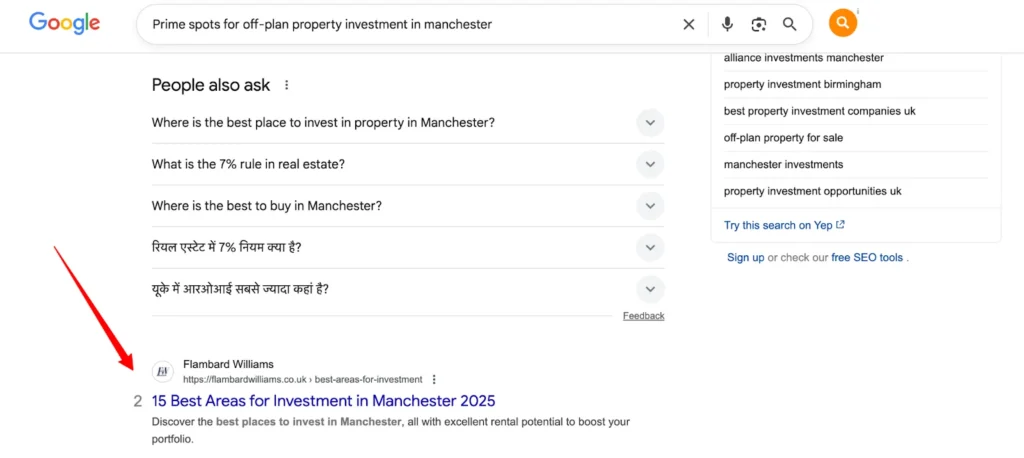

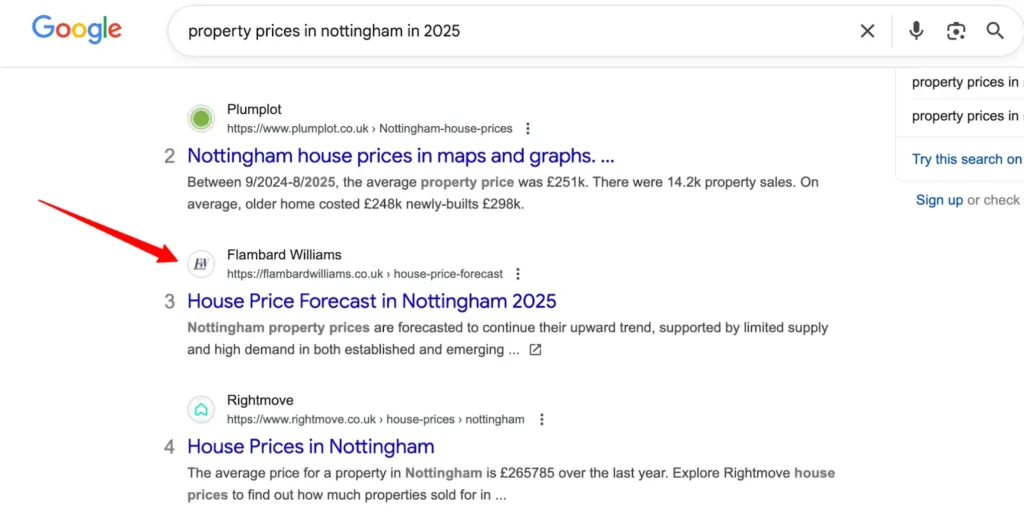
So, by the end of this process, you’ll have a keyword map that keeps every blog, page, and campaign aligned with how your audience actually searches.
Craft Your Brand Message and Story
Once you’ve done your research, it’s time to build the emotional core of your content — your brand story.
Because here’s the truth: people don’t just buy products; they buy stories, feelings, and meaning.
Facts tell. Stories sell.
And connection is what makes people choose one brand over another.
Your message is what ties everything together.
It turns strategy into emotion and makes your brand instantly recognisable and trusted.
Start by defining your brand voice and tone.
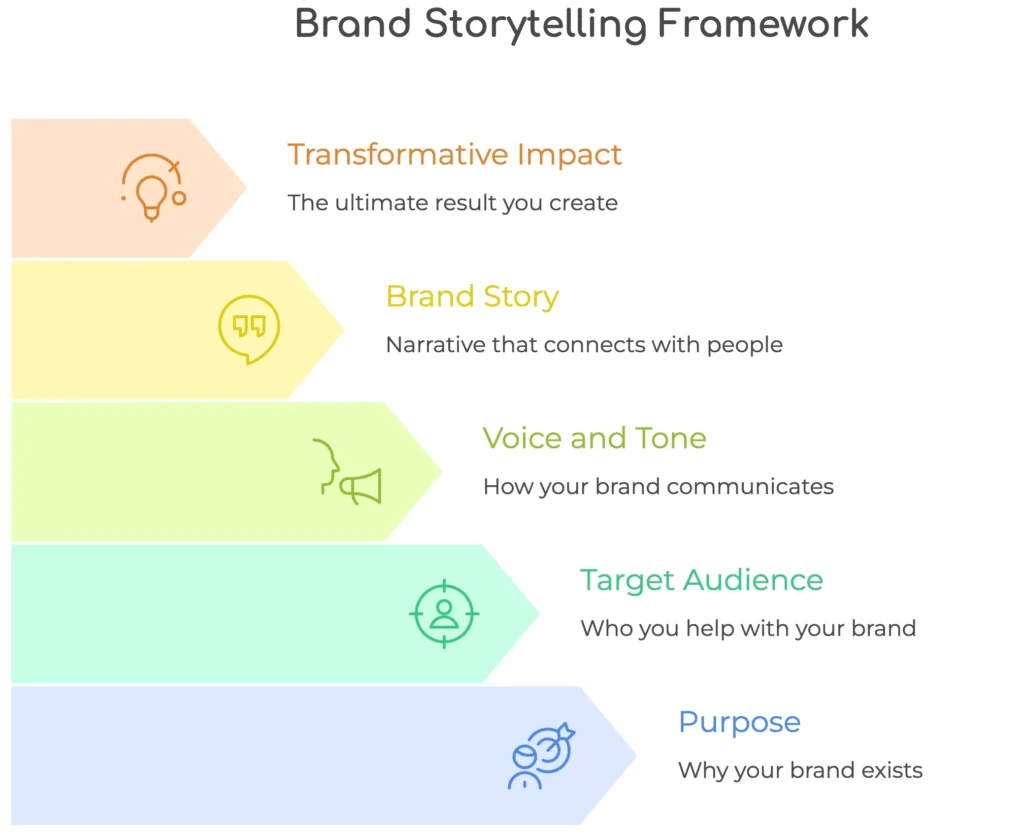
Is your brand bold and confident?
Calm and trustworthy?
Friendly and conversational?
our tone shapes how people perceive you, so keep it consistent across every touchpoint — website, social posts, emails, and ads.
Then, write your core brand story.
It doesn’t need to be complicated — just answer three questions:
Your purpose or mission
Your audience or niche
The result or impact you create
The best stories don’t talk at people — they pull them in.
Frameworks like StoryBrand or The Hero’s Journey can help you do that.
They position your audience as the hero — and your brand as the guide that helps them succeed.
Think about how the world’s most iconic brands do this.
Apple doesn’t sell phones or laptops — it sells creativity and innovation.
Its story, “Think Different,” inspires people to express themselves, not just buy a device.
That’s why Apple can charge more — because customers aren’t just buying tech, they’re buying identity.
At Credofy, we take the same approach.
We don’t just help businesses create content — we help them build trust, authority, and growth through story-led strategy.
Because when your story connects emotionally, you stop competing on price and start standing out on purpose.
An authentic, well-crafted brand story gives your content clarity and direction.
It’s what turns a brand from “just another option” into the obvious choice.
And that’s where having a well-thought-out content strategy starts to pay off.
Build Your Content Pillars and Topics
Now that your brand story is clear, it’s time to turn it into a structure.
Because without structure, even the best story gets lost.
Your content pillars are the foundation of your entire strategy.
They define what your brand will talk about — and what it won’t.
This keeps your content consistent, strategic, and easy to scale.
Think of them as your go-to categories — the main themes that connect directly to your audience’s needs and your business goals.
Every piece of content you create should fit under one of these pillars.
For example, for a real estate investment brand, strong content pillars might look like this:
- Market Insights – Property trends, area growth, and investment data.
- Investor Education – Clear, actionable guides that simplify ROI, yield, and financing.
- Success Stories – Real investor results that build trust and authority.
- Property News – Key updates, forecasts, and expert takes on the market.
- Lifestyle & Location – Showing how cities, infrastructure, and community growth drive property value.
When we built content pillars for one of our UK property clients, they were posting random blogs — one day about mortgages, next day about interior design.
It looked busy, but not strategic.
So we grouped everything into five clear pillars tied to their goals:
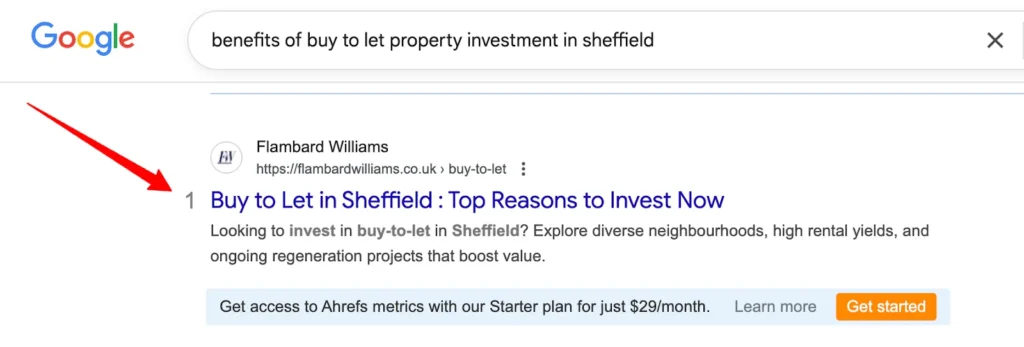
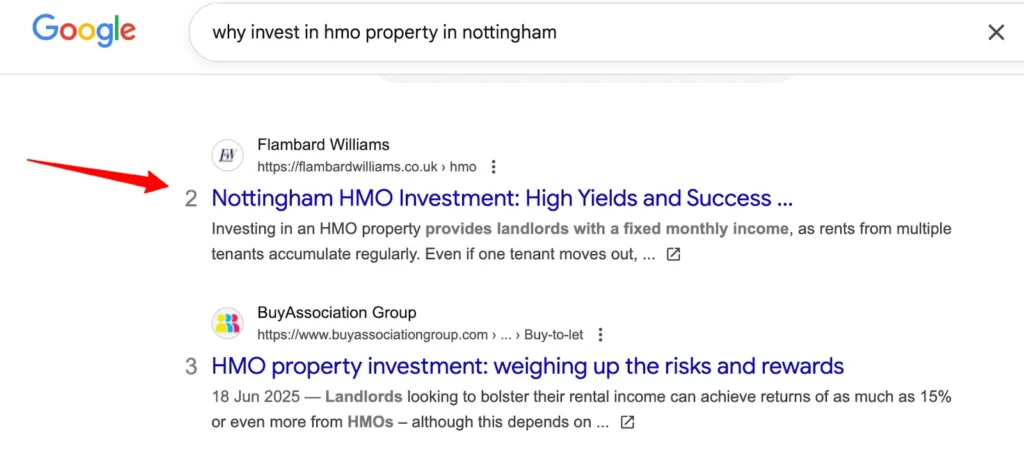
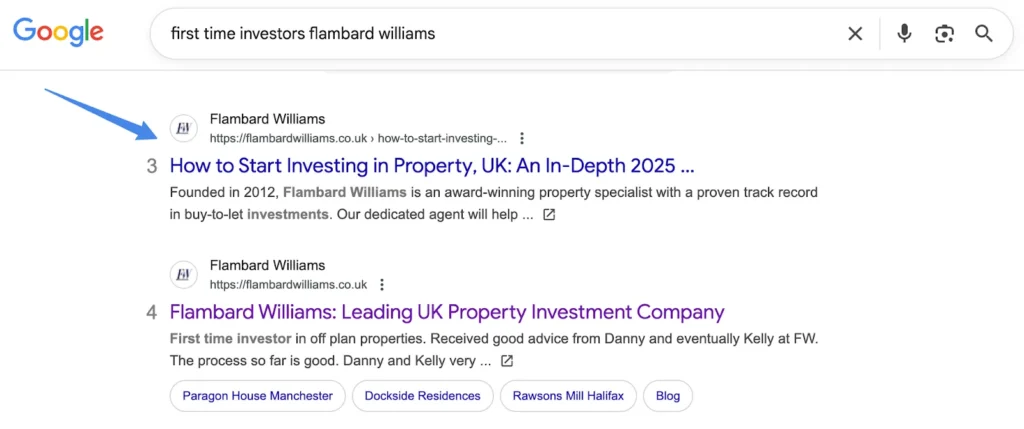
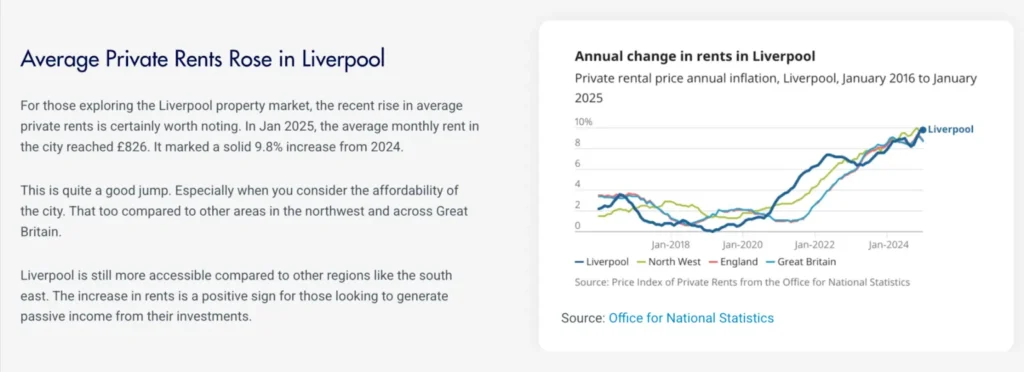
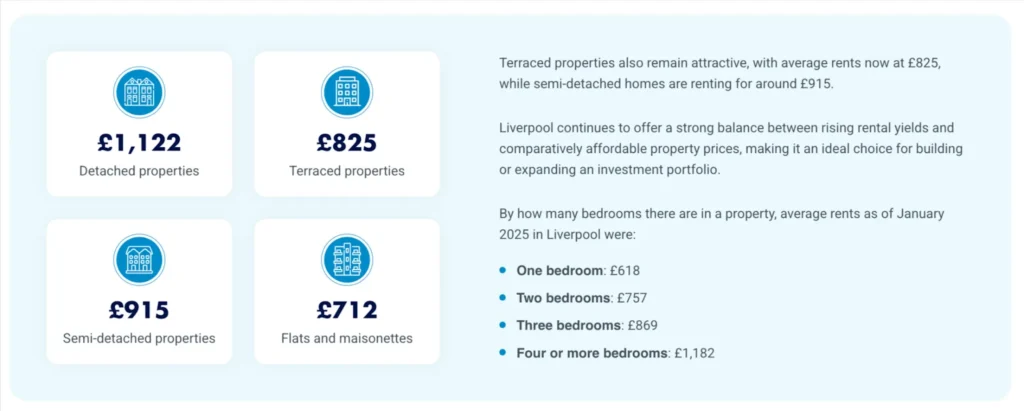

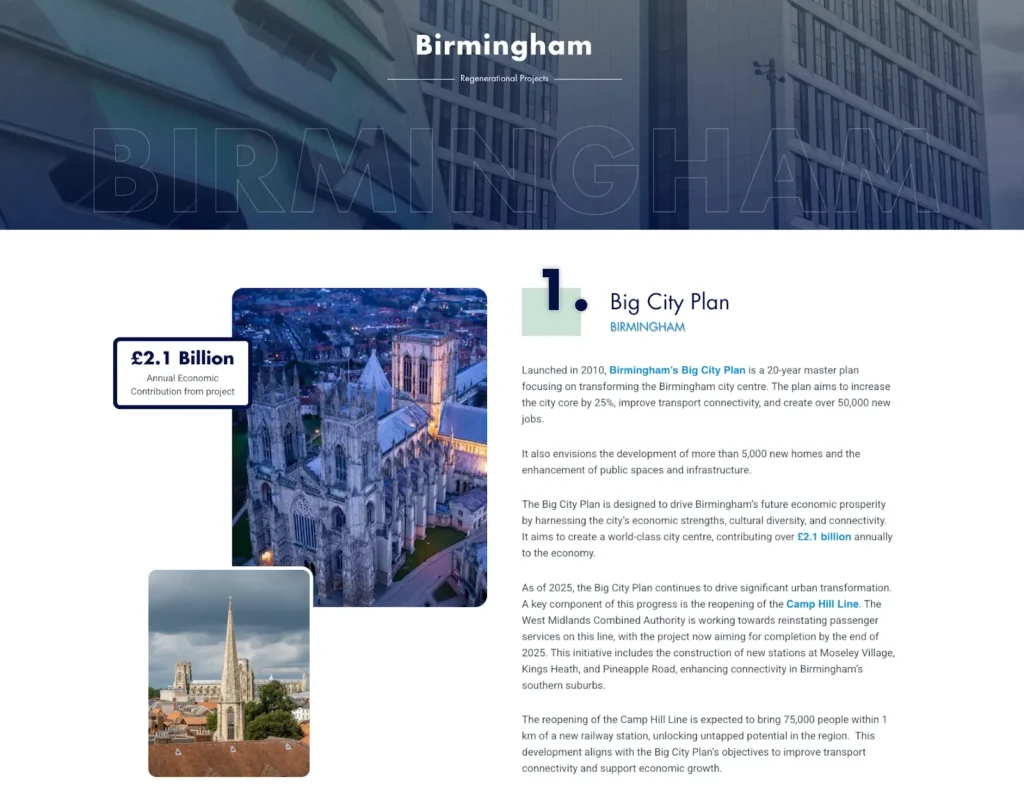
Once this structure was in place, everything changed.
Their content became focused, consistent, and actually moved people down the funnel — from awareness to enquiry.
Here’s how you can do the same:
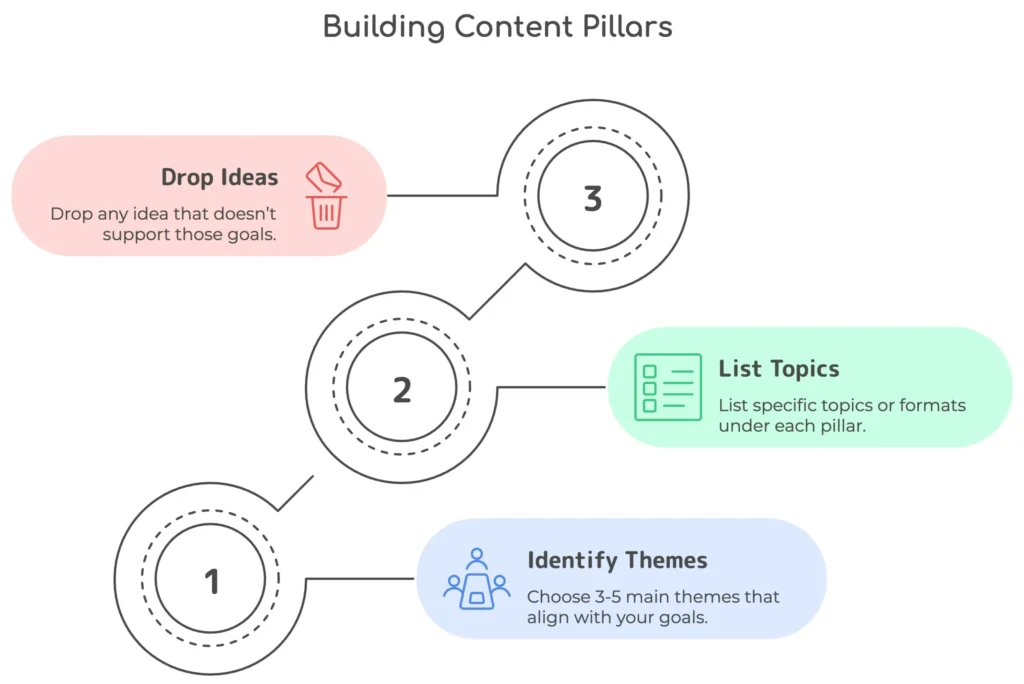
- Pick 3–5 main themes that align with your goals.
- List specific topics or formats under each pillar.
- Drop any idea that doesn’t support those goals.
Simple Rule:
If it doesn’t fit a pillar, it doesn’t get published.
If you do this, you’ll never run out of ideas, and you’ll stop wasting time on content that doesn’t serve your strategy.
Create Effective Content Briefs
Weak content usually fails because no one set a clear direction.
A solid content brief fixes that.
It aligns your writers, editors, and designers so everyone builds toward the same goal.
Include these essentials in every brief:
- Target audience & search intent – Define who you’re speaking to and what they need.
- Primary & secondary keywords – Clarify the exact phrases to target.
- Goal or CTA – Specify the action you want readers to take.
- Tone of voice – Describe how your brand should sound — confident, warm, or expert.
- Word count or structure – Set clear expectations for depth and focus.
- Internal & external links – Strengthen SEO and credibility.
- Visual direction or CTA placement – Outline what visuals or actions support the message.
At Credofy, we attach an SEO checklist and voice guide to every brief.
This simple habit eliminates confusion, reduces revisions, and keeps every piece on-brand from the start.
Now, strong briefs alone aren’t enough.
To rank and earn trust, every piece of content also needs E-E-A-T — Google’s framework for quality:
Experience
Show you’ve done it. Use real examples, case studies, or firsthand insights.
Expertise
Credit-qualified authors or specialists. Add bios, credentials, and professional details.
Authoritativeness
Back up claims with credible sources, data, or industry links.
Trustworthiness
Use transparent information, verified results, and client proof.
When we write for clients, we make E-E-A-T non-negotiable. It’s part of every brief — not an afterthought.
That’s why our content doesn’t just attract clicks; it builds authority and drives conversions.
Once the brief is ready, focus on execution.
Lead with a hook that challenges, surprises, or connects instantly.
Keep paragraphs short.
Use clear headings.
Add visuals that guide the reader naturally.
And remember — people don’t read every word; they scan.
Make sure every line earns attention.
Choose the Right Content Formats and Channels
Creating great content isn’t enough — you need to publish it where your audience actually spends time.`
Because even the best guide won’t work if the right people never see it.
Start with your audience behaviour, not trends.
Look at where they consume, engage, and convert.
Then match your message to the right format and channel.
Here’s how we break it down at Credofy:
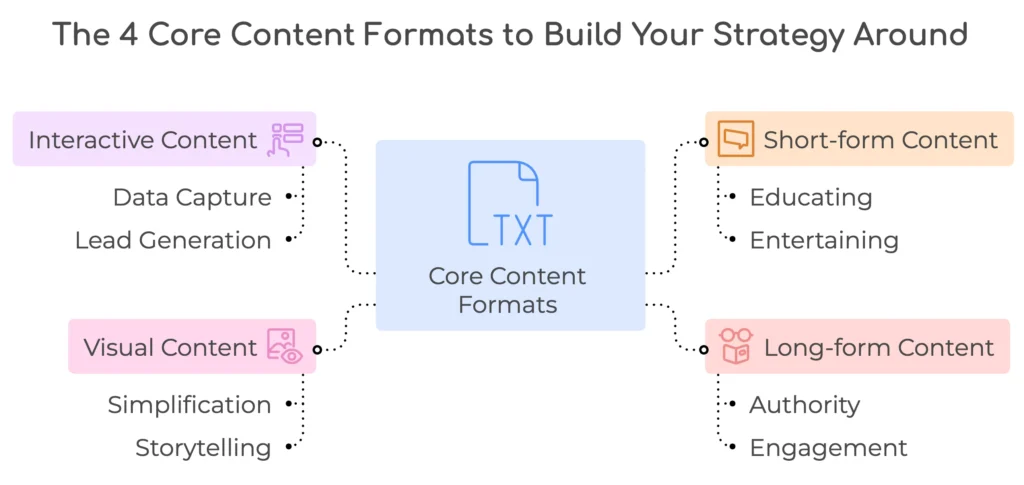
Short-form (Attention Builders)
Use Reels, carousels, or short videos to grab attention fast.
Great for the awareness stage — educating, entertaining, or inspiring curiosity.
30-second clips on “Top 3 property investment hotspots in the UK.”
Long-form (Trust Builders)
Think blogs, guides, podcasts, or newsletters.
These formats build authority and keep people engaged longer.
They work best in the consideration stage — when your audience wants depth and proof.
“Complete Buy-to-Let Investment Guide for First-Time UK Investors.”
Visual Content (Clarity Builders)
Infographics, charts, or mini case studies simplify complex ideas fast.
Perfect for real estate, finance, or SaaS — industries where numbers tell the story.
“Manchester Property Growth vs. London (5-Year Data Breakdown).”
Interactive Content (Engagement Builders)
Quizzes, calculators, or polls turn passive readers into active participants.
They’re great for capturing data and generating leads.
“Calculate Your ROI on an Off-Plan Property Investment.”
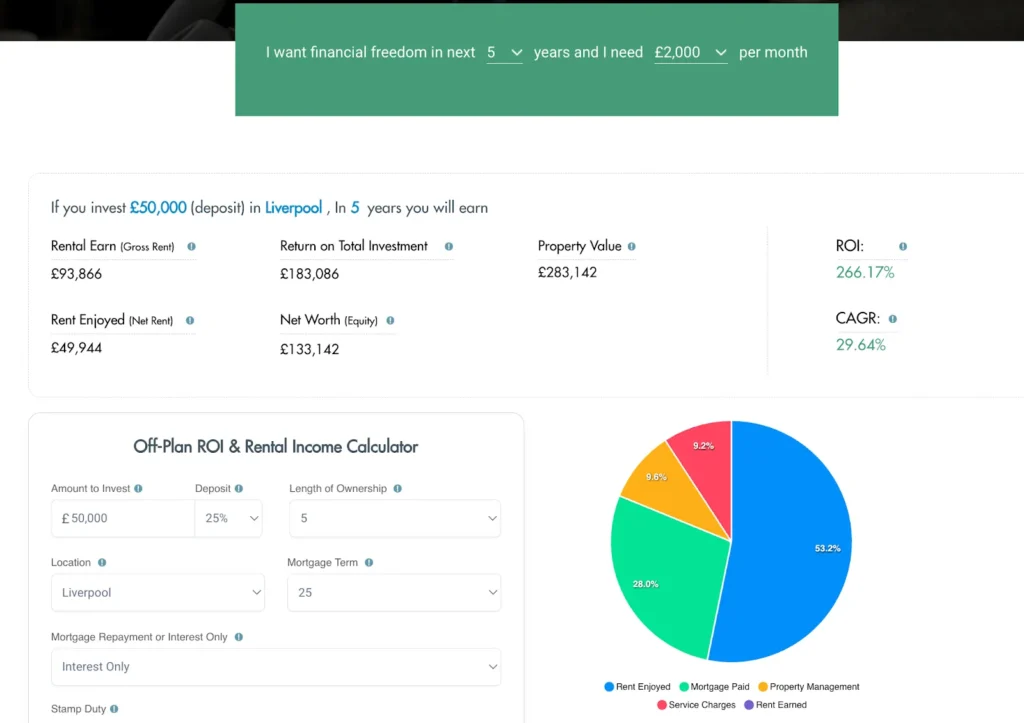
Once you pick the right formats, choose channels with purpose — not pressure.
You don’t need to be everywhere.
You need to be effective where it matters most.

B2B Authority and Lead Generation

Storytelling and Brand Awareness

Long-form Education and SEO Visibility

Retention and relationship building

Your evergreen traffic engine
Long-form Education and SEO Visibility
Long-form Education and SEO Visibility
For our UK property client, we used a three-tier system:
- Long-form SEO blogs to rank and attract.
- YouTube videos to educate and humanise the brand.
- LinkedIn posts to convert awareness into investor leads.
This channel mix doubled visibility without doubling workload.
Because every format had a purpose and a path to conversion.
Plan and Execute with a Content Calendar
Even the best strategy falls apart without structure.
That’s where a content calendar comes in — it keeps your team organised, consistent, and clear on what’s next.
It’s not about “posting more.”
It’s about knowing what’s being created, when it’s going live, and who’s responsible.
Use tools like Notion, Asana, or Trello to map out:
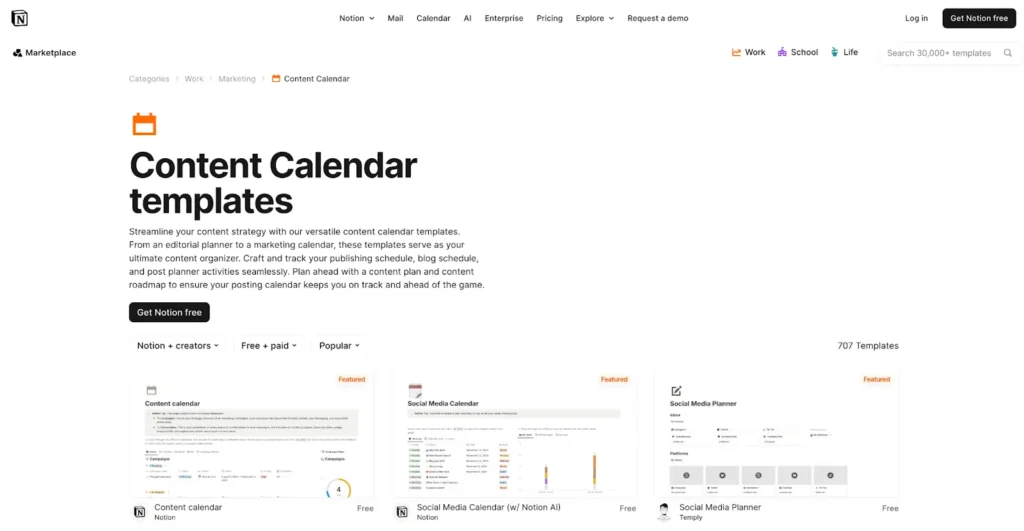
Source: Notion
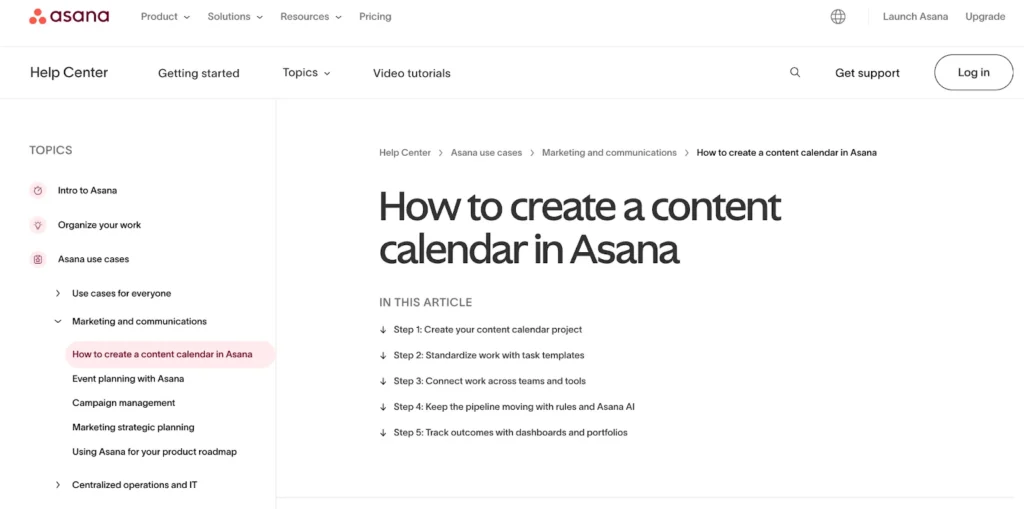
Source: Asana
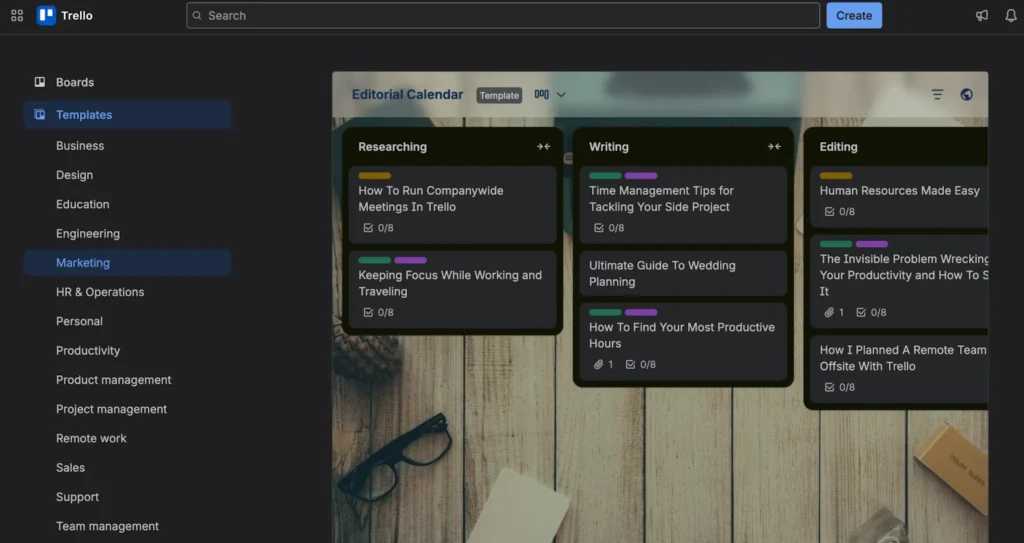
Source: Trello
- Topics — taken directly from your content pillars.
- Formats — blogs, videos, carousels, or newsletters.
- Platforms — LinkedIn, YouTube, email, or your website.
- Deadlines — real publish dates, not “when it’s ready.”
- Owners — so nothing gets stuck halfway.
We plan 90 days ahead but work in two-week sprints.
It gives us enough direction to stay consistent and enough flexibility to react to new trends.
Every piece goes through the same workflow:
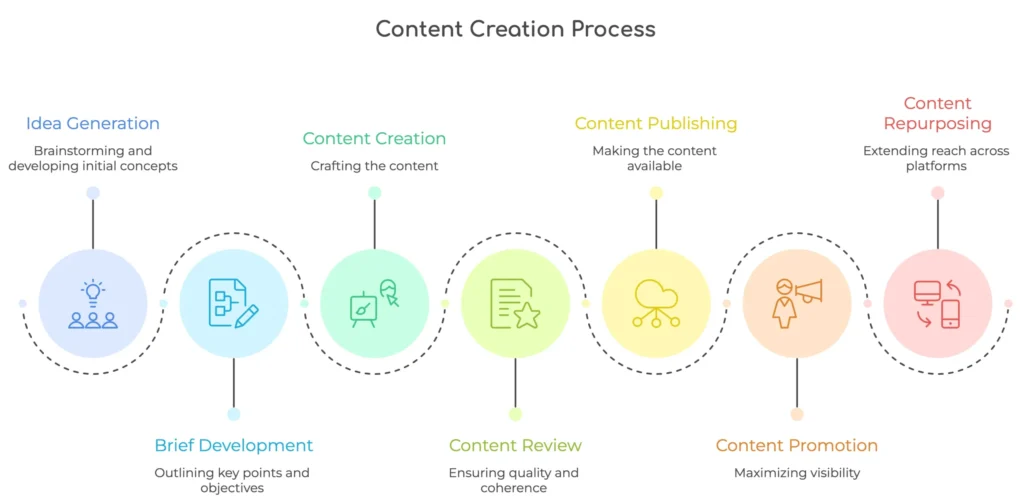
Idea → Brief → Create → Review → Publish → Promote → Repurpose
When we set this up for our UK property investment client, their marketing finally ran smoothly.
Before that, posts went out “whenever there was time.”
Once the calendar kicked in, it became a rhythm:
Publish SEO blogs targeting investor keywords.
Share proof-driven LinkedIn stories.
Post investor case studies and results.
That simple structure kept their pipeline active and steady.
Content went out weekly, and leads started coming in weekly.
Set one slot a month to refresh your top-performing blogs or guides.
A small update (new visuals or stats) can double your long-term traffic.
Outcome:
Predictable publishing, clear accountability, and zero “what should we post today?” moments.
Distribute, Promote, and Repurpose
Publishing is only half the job.
The real work starts once the post goes live.
We see this all the time — brands spend hours creating content and then do nothing to promote it.
If no one sees it, it doesn’t matter how good it is.
At Credofy, we follow one simple rule:
One piece of content should live more than once.
Here’s how to make that happen:
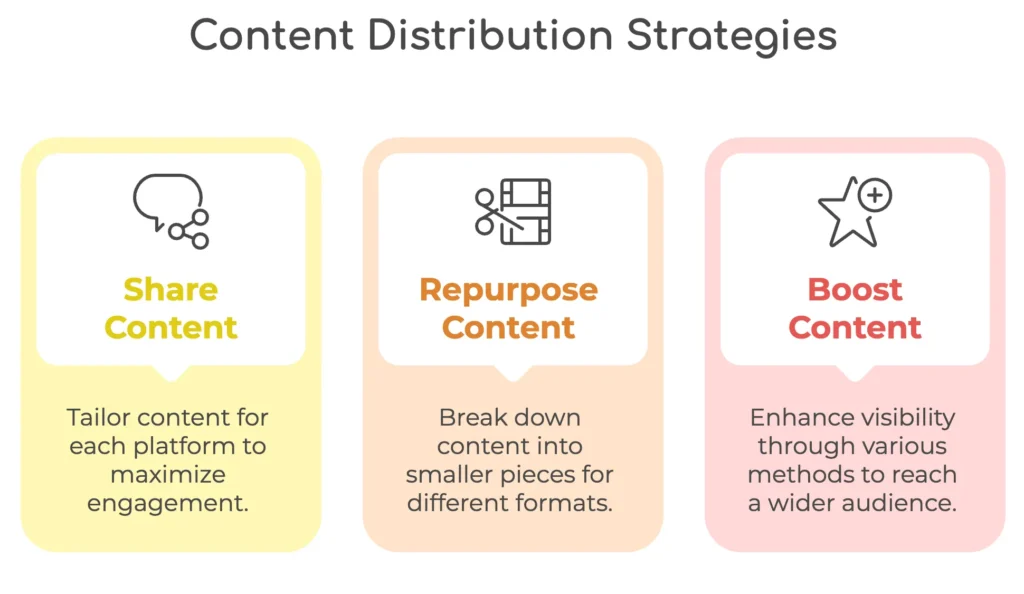
Share It Where It Belongs
Don’t push the same thing everywhere — tailor it for each platform.
- LinkedIn: share insights, proof, or short stories.
- Instagram: use visuals or behind-the-scenes content.
- YouTube: go deep with tutorials or breakdowns.
- Email: repurpose the highlights to stay top of mind.
- Communities: post useful content where your audience already hangs out.
Each platform has a purpose — use it that way.
Repurpose Smartly
Start with one strong piece, then break it down.
- Blog → Carousel → Short video → Email tip.
- Podcast → Quote post → Blog summary.
- Case study → Video testimonial → LinkedIn post.
That’s how you stay visible without constantly starting from scratch.
For our UK property client, one blog — “Top 5 Cities to Invest in UK Property” — became:
- a YouTube video,
- three LinkedIn posts,
- two Reels, and
- one email campaign.
That single blog brought in 3x more qualified leads just through smart repurposing.
Boost What Works
Don’t let a great post fade away.
Find your top performers and push them further using:
- Paid ads or retargeting.
- Email features.
- Press mentions or collaborations.
The goal isn’t to create more — it’s to get the most out of what’s already working.
Outcome:
Every post gets more visibility, reach, and lifespan.
You’re not creating endlessly — you’re building a cycle where one good idea keeps working across multiple channels.
Measure, Refine, and Scale
A content strategy isn’t done once it’s live — it’s only just begun.
Because if you’re not tracking and improving, you’re guessing.
You don’t need fancy dashboards — you just need clarity on what matters.
Focus on the metrics that tie directly to business impact, not vanity numbers.
Here’s what to look at:
- Traffic quality: Are you attracting the right audience?
- Engagement: Are people spending time, saving, or sharing?
- Leads and conversions: Are visitors turning into real opportunities?
- Retention: Do people keep coming back or dropping off after one visit?
Use GA4, Search Console, and platform analytics to spot patterns.
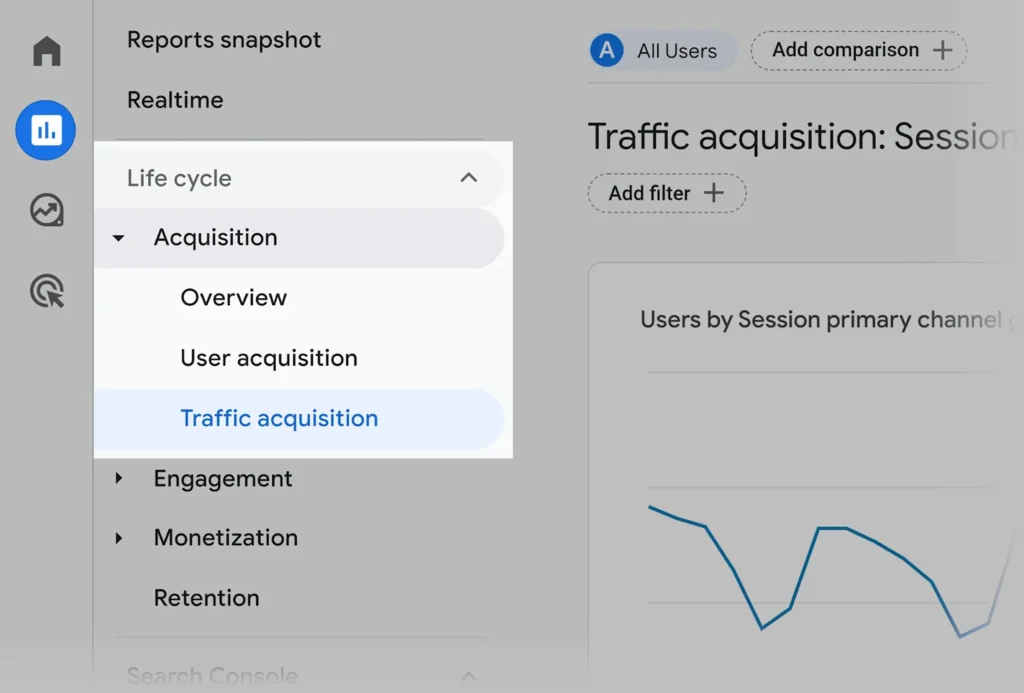
Source: Backlinko
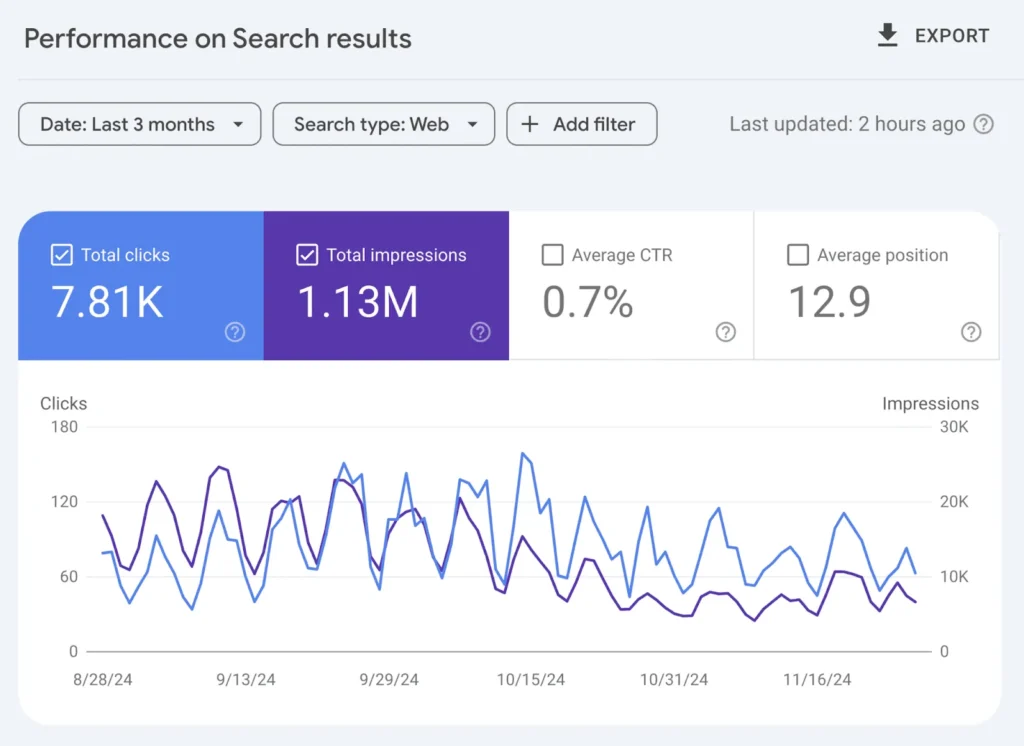
Source: SEMrush
The goal isn’t to chase every spike — it’s to understand why something worked (or didn’t).
At Credofy, we treat every piece of content like a live test.
If something drives results, we scale it.
If it doesn’t, we learn fast and adjust.
For one of our UK property clients, six months of tracking revealed something simple but powerful — 80% of their leads came from city-focused investment guides.
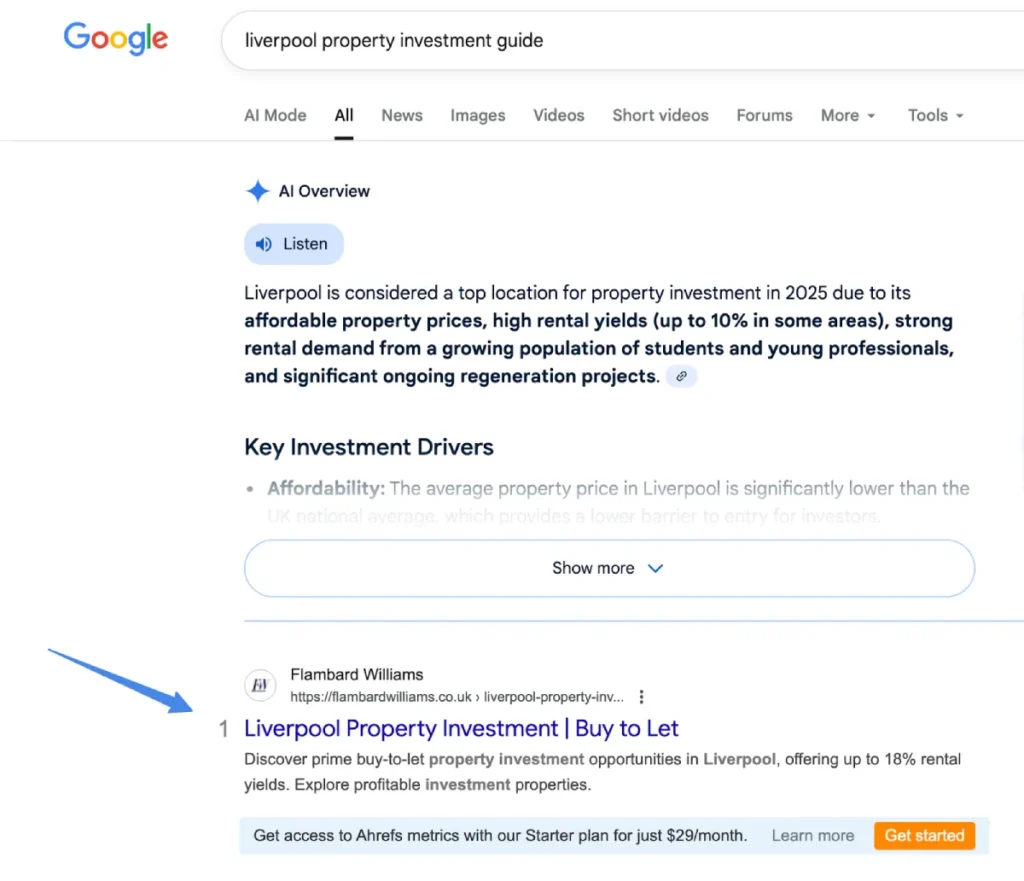
So instead of producing random new topics, we doubled down on what worked:
more city insights, data-led comparisons, and location guides.
Within three months, their lead quality improved, and cost per lead dropped by half.
That’s the value of measuring smart — you stop creating blindly and start compounding results.
Set a monthly review cycle:
Look at what’s ranking, converting, and resonating.
Ask:
- What’s driving the most ROI?
- What can we update or repurpose?
- What deserves to be scaled?
Then adjust your plan — refine what’s working, replace what’s not, and repeat.
Scaling doesn’t mean doing more.
It means doing what works — better, faster, and consistently.
When you measure precisely, refine intentionally, and scale strategically — your content stops being a marketing expense.
It becomes a repeatable growth engine.
And that’s how you build a content strategy that grows with your business — clear in direction, consistent in execution, and powerful enough to keep delivering results long after it’s published.
Digital Marketing, SEO & PPC
- SEO to boost rankings and capture high-intent, AI-driven traffic
- Performance Marketing to run ROI-focused campaigns that convert
- Content Marketing to drive clicks, earn links, and build authority
Questions to Ask When Creating a Content Strategy
These questions keep your strategy focused, practical, and built around what actually drives results — not random content ideas.
Who will be reading your content?
Know exactly who you’re speaking to — not “a target audience,” but real people.
Investors. Founders. First-time buyers. CMOs.
Each has a different goal, risk appetite, and decision trigger.
When you write with that level of clarity, your content doesn’t just land — it converts.
What problem will you be solving for your audience?
Every strong piece of content solves something — confusion, uncertainty, or lack of results.
Identify the real pain points your audience faces and position your content as the bridge between their problem and your solution.
Think transformation, not transaction.
Example: Don’t just write about “SEO trends.” Show how those trends help them grow leads, visibility, or revenue.
What makes you unique?
Ask yourself: “Why should someone choose us over everyone else?”
Find your “Only we…” statement — the one thing your brand does better, faster, or differently.
It could be your process, your results, your tone, or your story.
That clarity keeps your messaging distinct and prevents your content from blending into the noise.
What content formats will you focus on?
You don’t need to be everywhere. You need to be effective where it matters.
Choose formats that fit both your audience and your resources:
- Video-first for storytelling and brand visibility.
- Blogs and guides for SEO and trust-building.
- Podcasts or newsletters for long-term relationship building.
This clarity helps you scale without burning out your team.
What channels will you publish on?
Every platform has a different energy and intent.
Pick channels that align with your goals and where your audience actually engages.
- LinkedIn: B2B authority and professional insights.
- YouTube: deep education and SEO longevity.
- Instagram: emotional storytelling and brand identity.
- Email: nurturing leads and driving conversions.
The key is focus — master two channels before you add more.
How will you manage content creation and publication?
A strategy without structure collapses fast.
Define a workflow that covers every stage: ideation, briefing, creation, review, publishing, and promotion.
Assign clear roles (who owns what), deadlines, and checkpoints.
Use tools like Notion, Asana, or Trello to stay on track.
When everyone knows their lane, consistency becomes automatic.
What’s your SEO and keyword plan?
A great message still needs to be found.
Map your keywords by intent and funnel stage — awareness, consideration, and decision.
Create topic clusters that interlink your pages, build authority, and strengthen organic reach.
Use tools like Ahrefs, SEMrush, or Google Keyword Planner to identify opportunities — but always balance data with audience insight.
How will you demonstrate trust and authority (E-E-A-T)?
In 2025 and beyond, authority isn’t optional — it’s what Google (and people) look for first.
→ Show Experience through case studies or real examples.
→ Show Expertise with author bios and credentials.
→ Show Authoritativeness through data, citations, and external mentions.
→ Show Trustworthiness with transparency — clear sourcing, proof, and client results.
When your content shows evidence, not opinions, it earns both clicks and credibility.
How will you measure success?
Without measurement, strategy is guesswork.
Set KPIs that align with your business goals — engagement for awareness, leads for demand, and conversions for ROI.
Track progress monthly using GA4, Search Console, or HubSpot dashboards.
And remember: don’t just report metrics — interpret them. Ask why something worked and how you can repeat it.
How will you repurpose or update old content?
Your best content can keep driving results — if you maintain it.
Plan a quarterly refresh cycle where you:
- Update stats and visuals.
- Improve internal links and CTAs.
- Repurpose top-performing posts into new formats (e.g., blog → carousel → video).
Small updates can double traffic and keep you visible in fast-changing SERPs.
Final Thoughts
By this point, you’ve seen what a real content strategy looks like — one built on data, story, and structure.
Not random ideas. Not trends.
But a system that attracts the right audience, earns trust, and drives real business outcomes.
When your strategy is intentional, everything connects:
Your blogs start ranking for high-intent keywords.
Your social posts build credibility instead of clutter.
And your audience knows exactly why your brand is worth their time.
At Credofy, that’s the kind of system we build for our clients — strategy-backed content engines that compound results month after month.
Not vanity metrics, but real outcomes — higher traffic, stronger brand authority, and consistent inbound leads.
If you’re done guessing what to post next and ready to build a framework that works, start here:
FAQs
What is a brand content strategy?
A brand content strategy is a structured plan that defines how a business creates, publishes, and manages content to achieve specific goals — such as building authority, attracting leads, or improving visibility.
It aligns your messaging, audience insights, and business objectives so every piece of content has a clear purpose and measurable outcome.
How do I start building one for my business?
Begin with clarity on your goals and audience.
- Define what you want the content to achieve — awareness, leads, or conversions.
- Research your audience — their needs, pain points, and behaviour.
- Audit existing content to find what’s working or missing.
- Build a roadmap of topics, formats, and channels aligned with your goals.
- Set up systems for consistency — calendars, workflows, and review cycles.
What are content pillars and why do they matter?
Content pillars are the main themes or categories that structure your entire content plan.
They ensure focus and consistency by defining what topics you’ll cover — and what you won’t.
For example, a fitness brand might have pillars like Nutrition, Training, and Mindset.
When every idea ties back to a pillar, your content stays aligned and easier to scale.
How do I keep my brand voice consistent?
Document it early and apply it everywhere.
Create a simple guide that outlines your tone, language, and communication style — for example, friendly and conversational, or professional and authoritative.
Share that guide with anyone creating content so your brand always “sounds” the same, whether it’s a tweet, blog, or email.
How often should I post content?
Frequency depends on your capacity and audience habits, but consistency matters most.
Posting one high-quality piece every week is far better than pushing out daily content with no strategy.
The key is rhythm — create a repeatable publishing schedule your team can maintain without burnout.
What’s the best type of content for my audience?
The best format depends on what your audience values and where they spend time:
- Blogs and guides for education and SEO.
- Videos for storytelling and engagement.
- Podcasts or newsletters for relationship-building.
- Social posts for reach and community.
Focus on the formats that your audience interacts with most — not just what’s trending.
How do I measure if my content strategy is working?
Track metrics that align with your goals, not vanity numbers.
If your goal is awareness, monitor impressions and engagement.
If it’s lead generation, track form fills, conversions, and sales.
Tools like Google Analytics, Search Console, and HubSpot help you connect content activity to business outcomes.
How can I repurpose content effectively?
Start with one strong idea and adapt it across multiple formats.
For example:
A blog post can become a short LinkedIn post, a carousel, a video snippet, or an email tip.
This approach saves time, increases reach, and ensures your message is seen across different platforms without starting from scratch
What’s the difference between storytelling and marketing?
Marketing explains what you offer.
Storytelling explains why it matters.
While marketing focuses on features, storytelling connects through emotions, values, and transformation.
When used together, they make your message more memorable and human, helping people care before they convert.
How long does it take to see results from a content strategy?
Typically, results begin to appear within 3–6 months, depending on consistency, SEO optimisation, and distribution.
Content marketing compounds over time: early stages build visibility and engagement, while later months deliver stronger authority, organic traffic, and conversions.
It’s not instant, but it’s one of the most sustainable ways to grow.


