
Struggling to Grow Your Business Online? These 3 Golden W’s Will Fix It


The 3 Golden W’s For Predictable 10x Online Business Growth
Table of Contents
Serious about growing your business? Let’s plan exactly how to get you more leads, sales, and results—faster.
(3 Steps to Take Your Business to 10X Growth & Profits)
Every business owner wants growth, but most chase tactics before building the right foundation.
They pour money into ads, redesign websites, launch campaigns, and hire agencies, yet still struggle with inconsistent results.
The truth is, without clarity on the fundamentals, none of those tactics deliver lasting growth.
That clarity comes from mastering the 3 Golden W’s: What, Who, and Why.
- What: What do you do?
- Who: Who do you do it for?
- Why: Why do you do what you do?
When these three align, your message connects, your positioning stands out, and growth follows.
The 3 Golden W’s are a core part of the DRS Framework, a proven process that has helped businesses across industries achieve millions in revenue and scale faster than they imagined.
In this guide, we’ll unpack What, Who, and Why, and show you how mastering them sets the foundation for sustainable business growth
Why Businesses Fail at Growth
Every year, thousands of businesses close their doors.
Studies show that 20% of new businesses fail within their first year, and nearly 50% fail within five years.
The numbers are staggering, but the reason behind them is surprisingly simple.
Most businesses don’t fail because of a bad product or lack of effort. They fail because they chase tactics without clarity.
They run ads, hire agencies, launch campaigns, or redesign websites, yet still can’t create consistent, predictable sales.
The real problem? They don’t have a proper plan. They haven’t clearly defined what they do, who they serve, or, most importantly, why they do it.
Without that clarity, every tactic becomes a “shiny object” that drains budget and time but never drives long-term business planning or consistent revenue growth.
True growth doesn’t start with tactics. It starts with business growth strategies built on strong foundations.
And those foundations are the 3 Golden W’s: What, Who, and Why.
The 3 Golden W’s (From the DRS Framework)
The first step in building real, lasting growth is mastering the 3 Golden W’s: What, Who, and Why.

These three questions are the heart of the Discovery stage in the DRS Framework, the same system that has helped companies double ROI, scale to millions in revenue, and even achieve 20x growth during the pandemic.
Let’s begin with the first W: What.
What — The Problem You Exist to Solve
Here’s where most businesses go wrong: they define their “What” as the product or service they sell. But your “What” isn’t your product. It’s the problem you exist to solve.
Customers don’t care about you, your brand, or your features. They care about one thing:
What’s in it for me?
They’re looking for solutions that make their lives easier, faster, more secure, or more enjoyable.
Yet too many businesses spend 90% of their messaging talking about themselves, instead of focusing on the pain points their audience feels every day.
Common mistake:
- Talking about company history instead of solving problems.
- Highlighting features when buyers only care about outcomes.
- Positioning messaging around “we” instead of “you.”
This is where a clear value proposition in business becomes critical.
If your website messaging doesn’t directly address customer pain points, you’ll struggle with conversion rate optimisation and lose out on high-quality leads.
Marketing Research & Strategy
We help you understand your market and build smart strategies to attract more customers and grow faster.
- Detailed research into your competitors, customers, and market
- Custom marketing and growth plans that drive real results
- Clear action steps to increase traffic, leads, and sales

ADWORDS ROI

Cut Ad spend

Case Study Example
A London-based artificial grass company wasn’t growing despite a quality product.
Their site had generic messaging like “Leading provider of artificial turf.”
That didn’t connect emotionally or practically with their audience.
When we reframed their “What” into a simple, outcome-driven headline — “No More Muddy Feet!” — everything changed.

It instantly became a customer-centric marketing message, showing the outcome buyers truly wanted.
The shift turned their site into a lead generation website that spoke to the customer’s needs, instead of being just another online catalogue.
It spoke directly to the frustration of homeowners with messy gardens.
The result? Sales skyrocketed, and the company grew from £6,600 to over £136,000/month, hitting £1.5M in a year.
The Lesson
Your customers aren’t buying grass. They’re buying clean, usable, beautiful gardens 365 days a year.
When you define your “What” as the problem you solve and the outcome you deliver, your messaging connects instantly, and your marketing begins to scale.
This is the foundation of business growth strategies that actually work, because growth doesn’t come from chasing tactics; it comes from clarity.
Once you’ve nailed the “What,” the next step is to extend it into Positioning & Values — the elements that make your business the obvious choice over competitors.
Quiz 1:
Do You Really Know Your “What”?
The Problem You Exist to Solve
Question: When describing your business to a potential customer, which of these sounds most like your messaging?
Answer Key:
Quick Exercise:
Write one clear sentence that describes the exact problem you solve.
Note:
❌ Remove anything about your company or features.
✅ Keep it 100% focused on your customer’s pain or desired outcome.

We’ve built many more simple, practical exercises like this in our Free Discovery Workbook, designed to give you the kind of clarity about your business that most owners never reach on their own.
Positioning & Values (The Extension of “What”)
Defining your What is only the beginning. Once you know the problem you solve, you need to make sure customers choose you over everyone else.
That’s where positioning and values come in.
Here’s the reality: in most industries, products and services overlap.
Your competitors can match your features, replicate your offers, even undercut your pricing.
But there are two things they can’t copy:
- The way you position yourself in the market.
- The culture and values your business stands for
And values matter more than you think.
Research shows 64% of consumers say shared values are the main reason they build a relationship with a brand (Harvard Business Review).
This is why mission-driven branding and emotional branding are essential parts of sustainable business growth.
Digital Marketing, SEO & PPC
- SEO to boost rankings and capture high-intent, AI-driven traffic
- Performance Marketing to run ROI-focused campaigns that convert
- Content Marketing to drive clicks, earn links, and build authority

USP vs. Parity
Every market has two zones:
- Unique Selling Proposition (USP): Where your strengths overlap with customer needs — but not your competitors’. This is where you differentiate.
- Parity: Where everyone offers the same thing. In this zone, values and culture become the real advantage.
And here’s the golden rule: while anyone can copy your product, they can’t replicate your principles, your mission, or the way you deliver value.
That’s why positioning isn’t optional — it’s survival.
If you want to increase revenue and design marketing strategies to increase sales, your USP must be clear, and your values must be felt in every customer interaction.
And here are some Case Studies
Artificial Grass Company
Instead of competing on “quality grass” like every other brand, this company leaned into a bold USP: Lowest Price Guaranteed.
That simple positioning made them the clear choice for cost-conscious buyers, immediately boosting trust and conversions.
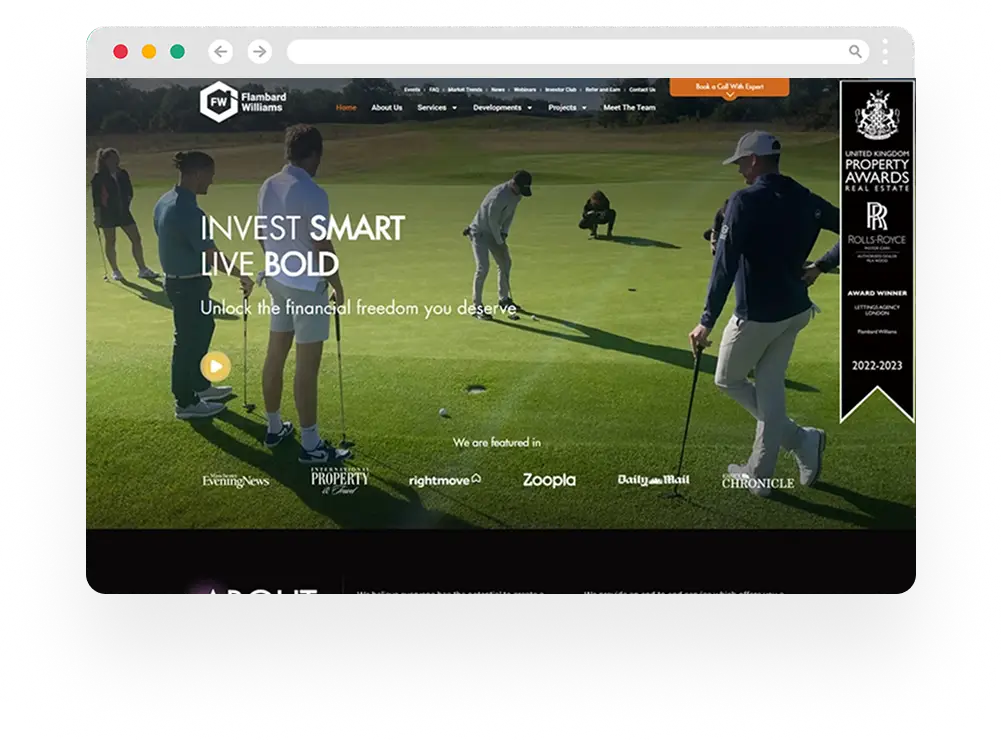
Property Investment Firm
For a real estate investment client, the competitive landscape was crowded. On paper, every agency looked the same.
But we positioned them with unique, value-driven offers competitors couldn’t match:
- Exclusive educational retreats.
- VIP club membership for investors.
- A buyback guarantee.
- An investment security guarantee protecting up to £5,000 of investor capital.
This shifted the perception from “just another agency” to “the safer, smarter way to invest.”
The result?
Higher-quality leads, faster trust-building, and a stronger brand identity.
The Takeaway?
If you want customers to choose you, ask yourself:
- What do I offer that competitors can’t easily copy?
- What values shape the way we do business?
- How do we make those values felt at every touchpoint?
When your What is strengthened by clear positioning and values, you stop competing on price or features.
Instead, you compete on trust, identity, and loyalty, and that’s where sustainable growth comes from.
Must Read: 20 Advanced Lead Generation Strategies to Secure High-Quality Leads in 2025
Why — The Emotional Core That Builds Trust
Knowing what you do and who you do it for is important, but it’s your Why that sets you apart.

People don’t just buy your product or service; they buy the mission, purpose, and story behind it.
Your Why builds trust and creates emotional connection, and it’s often the reason customers are willing to pay more.
In fact, 81% of consumers say they need to trust a brand before buying from them.
Think about it:
- Nike sells identity and ambition, not just shoes.
- Apple sells vision and creativity, not just devices.
- Luxury brands sell status and story, not just materials.
This is why businesses that start with clarity of purpose often become the most profitable online businesses.
A clear “Why” gives direction for everything, from your sales strategy to your marketing plan to increase revenue.
Without it, even the best tactics in lead generation or website development won’t connect.
When rational benefits (features, results, price) combine with emotional drivers (identity, trust, transformation), you create a brand that people follow and stay loyal to.
Messages delivered as stories are 22x more memorable than just facts (Stanford research), which is why leading with your “Why” matters so much.
A real estate broker struggled to stand out in a crowded market.
On the surface, their services looked the same as every competitor’s.
But their “Why” was different.
The founder had started the company after being frustrated by misleading advice and hidden fees.
His mission was to create a transparent, investor-first agency.
That story changed how people connected with the brand. Trust built quickly, and within one week, contact form submissions increased by 42%.
This also led to more real estate leads and higher-quality business leads, proving that when your Why is strong, it naturally fuels lead generation for sales.
Finding Your Why
Your Why is not fluff, it’s a business driver.
It makes your brand memorable, trustworthy, and preferred over competitors.
And not just that, Deloitte Insights 2020 Global Marketing Trends Report, companies that clearly communicate their purpose have 40% higher employee retention and stronger customer loyalty.
Whether you’re starting an online business or running a mature company, your Why helps you:
- Build loyalty that makes your business profitable.
- Attract better B2B leads and B2B lead generation opportunities.
- Create messaging that boosts conversions on your business website.
Ask yourself:
- Why am I really in this business?
- What personal story drives me?
- How do my customers’ lives transform when I serve them?
When you answer these clearly, you stop competing on features and start building a business people believe in.
That’s the secret to how to make money online in a way that lasts, by combining purpose with strategy.
To help you uncover your own Why, we’ve created a free Discovery Workbook.
It walks you step by step through defining your mission and purpose.
Quiz 2:
Purpose Check
Question: Which of these “Why” statements is most likely to build emotional trust?
Answer Key:
Who — The People You’re Really Here to Serve
Once you’ve defined your What and uncovered your Why, the next step is your Who. Because purpose without people is useless.
You need to know exactly who you’re here to serve, and just as importantly, who you’re not.
Here’s the problem: more than 90% of businesses get this wrong.
They define audiences vaguely with statements like:
“Our target audience is men and women between 30–50 who are interested in investing.”
That’s not a persona. That’s just a data point.
Marketing Research & Strategy
We help you understand your market and build smart strategies to attract more customers and grow faster.
- Detailed research into your competitors, customers, and market
- Custom marketing and growth plans that drive real results
- Clear action steps to increase traffic, leads, and sales
ADWORDS ROI
Cut Ad spend
Why Clarity on Your “Who” Matters
Your ideal customer is not everyone. It’s the specific group of people who:
- Have the problem you solve.
- Value the way you solve it.
- Are ready and able to buy.
And clarity doesn’t just mean knowing who you want, it also means knowing who you don’t want.
Customer-centric companies are also 60% more profitable than those that don’t focus on their audience.
The wrong customers will drain your time, resources, and energy without ever driving growth.
In fact, businesses that take time to define customer personas often see 2–5x higher ROI on paid ads because their digital marketing lead generation efforts become laser-focused.
This is the heart of customer-centric marketing, speaking only to the people who will drive sustainable business growth.
Related Read: How to Create a User Persona (with a Real-World Example)
For a real estate investment firm, we interviewed over 100 of their investors.
At first, they thought their target was simply “property investors.”
But when we dug deeper, we uncovered something more precise:
Ideal Customers:
- Busy professionals seeking passive income.
- People looking for financial security and independence.
- Investors who value transparency and guidance.
- Clients who prefer a hands-off process.
- Ready to invest £50k–£100k within a month.
Not Their Customers:
- Casual browsers.
- First-time home buyers.
- Quick-flip chasers.
- Bargain hunters who waste time but never buy.
This single insight transformed their marketing, from qualification processes to website messaging to ad campaigns.
By focusing only on the right audience, they attracted better leads, improved conversion rates, and cut wasted effort.
How to Identify Your Who
Ask yourself:
- Who do I actually want to attract?
- Who do I want to avoid?
- What action should my ideal customer take when they land on my website?
- What problems, needs, or motivations drive them?
- What demotivates them from buying?
This is the foundation of customer journey mapping.
When you understand customer motivations and pain points, you can design a sales funnel optimisation process that drives predictable growth.
Layers of Defining Your Who:
- Target Audience: Needs, motivations, frustrations.
- Demographics: Location, age, occupation, income.
- Competitors: Who else are they considering, and how can you stand out?
When you nail this clarity, your value proposition in business becomes obvious, your website messaging strategy starts to convert more visitors, and you create the conditions for 10x business growth.
That’s the difference between a company that struggles to get leads and one that knows exactly how to scale a business online.
Quiz 3:
Who Are You Not Here to Serve?
The People That Drain vs. Drive Growth
Scenario: Imagine you run a property investment firm. Which of these groups should you avoid as your “Who”?
Answer Key:
Not everyone is your customer — vague or mismatched audiences eat resources and slow growth.
Clear targeting = higher ROI and better leads.
The 3 Golden W’s at a Glance
| W | What It Really Means | Why It Matters for Growth | Quick Question to Ask |
|---|---|---|---|
| What | The problem you solve and the outcome you deliver (not just your product/service). | Customers don’t buy features, they buy results and transformation. | “What frustration or desire do we remove/fulfill for our customers?” |
| Who | Your ideal customer — and equally, who you don’t serve. | Focus avoids wasted spend and attracts buyers who convert quickly. | “Who do we truly want to attract — and who drains our time?” |
| Why | The mission, values, and story behind your business. | Builds emotional trust, loyalty, and allows you to charge premium prices. | “Why do we exist beyond profit — and why should people care?” |
Digital Marketing, SEO & PPC
- SEO to boost rankings and capture high-intent, AI-driven traffic
- Performance Marketing to run ROI-focused campaigns that convert
- Content Marketing to drive clicks, earn links, and build authority
Key Takeaways
- Most businesses fail because they chase tactics without clarity.
- Growth starts with foundations, not ads or campaigns.
- Your “What” is the problem you solve, not the product you sell.
- Positioning and values make you the obvious choice in a crowded market.
- Your Why builds trust and emotional connection with customers.
- Your Who defines exactly who you serve — and who you don’t.
- Customers buy outcomes and transformation, not features.
- Clear positioning stops you from competing on price alone.
- The 3 Golden W’s (What, Who, Why) are the foundation for growth.
- Discovery is the first step of the DRS Framework and the key to scaling.
Grow Without Wasted Spend
You’ve seen why most businesses fail — and how the 3 Golden W’s fix it.
Now it’s time to put this into action.
Download the Free Discovery Handbook
Get the exact step-by-step guide to uncover your What, Who, and Why.
This will give you the clarity to stop wasting money on tactics and start building a strategy that actually scales.
Book Your Free 1-Hour Discovery Call (Limited Spots)
In this one-to-one session, we’ll map out your 3 Golden W’s and create a tailored growth plan for your business.
You’ll walk away with a clear roadmap you can use immediately to get more leads, more sales, and more revenue.
Spots fill fast, grab yours today:
FAQs
How to grow an online business fast without wasting money on ads?
Focus on building a strong foundation first, know your target audience, refine your offer, and make sure your website converts visitors into customers. Organic strategies like SEO, content marketing, and email nurture campaigns can drive steady growth without relying only on paid ads.
Why is positioning important in marketing?
Positioning tells customers why they should choose you over competitors. Without it, you blend in and end up competing only on price. With strong positioning, you highlight your unique value, build credibility, and make buying decisions easier for customers.
How do you generate high-quality leads?
High-quality leads come from targeting the right people with the right message. Methods like content marketing, SEO, B2B lead generation tools, webinars, and lead magnets help attract prospects who are already interested in what you offer.
What are examples of SMART goals in business growth?
SMART goals are clear and measurable. For example: “Increase website traffic by 30% in the next 6 months through SEO and content marketing” or “Generate 100 new qualified leads per quarter using inbound strategies.”
How do I make my business profitable faster?
To accelerate profitability, focus on reducing unnecessary expenses, narrowing your target audience, and offering products or services with higher margins. At the same time, prioritise lead generation and conversion rate optimisation to ensure every marketing dollar counts.
How to scale a business during a recession?
In a downturn, focus on retaining existing customers, improving efficiency, and offering real value. Diversifying income streams, doubling down on customer relationships, and prioritising essential services/products can help you grow even during a recession.
What are the best strategies to increase revenue in a small business?
The most effective strategies include upselling to existing customers, improving your pricing model, using customer feedback to refine offers, and implementing marketing strategies like email campaigns, SEO, and referral programs to attract more buyers.