
How to Use AI to Grow Your Real Estate Business (2026)


How to Use AI to Grow Your Real Estate Business
Table of Contents
Serious about growing your business? Let’s plan exactly how to get you more leads, sales, and results—faster.
Real estate is changing faster than most people realise.
In 2026, the biggest advantage isn’t your network, your brand, or even your listings.
It’s how quickly and intelligently you respond to opportunities.
That’s where artificial intelligence and real estate truly come together.
AI in real estate is no longer about chatbots or auto-written listing descriptions.
It’s about AI-powered real estate systems that can respond to leads instantly, predict buyer or seller intent, and support decisions across marketing, pricing, and operations.
At Credofy, we see this every day.
Agents and real estate businesses using AI aren’t working longer hours; they’re working smarter, closing faster, and scaling without adding headcount.
Who this guide is for
This guide is for:
- Agents and realtors who want more high-quality leads
- Teams and brokerages looking to scale efficiently
- Anyone serious about using AI for real estate marketing and growth in 2026
You don’t need to become a tech expert or rebuild your systems.
You need clarity on how to use AI where it directly impacts leads, speed, and revenue.
And this guide breaks it all down, clearly and practically that anyone can implement them.
Digital Marketing, SEO & PPC
- SEO to boost rankings and capture high-intent, AI-driven traffic
- Performance Marketing to run ROI-focused campaigns that convert
- Content Marketing to drive clicks, earn links, and build authority

How AI Will Reshape Real Estate in 2026
From chatbots to agentic AI
Most people still think AI in property means chatbots or content tools.
That’s outdated.
In 2026, AI-powered real estate platforms are becoming agentic, meaning they don’t just suggest actions; they execute them.
Follow-ups, lead scoring, task creation, and optimisation now happen automatically.
Why speed, personalisation, and trust matter more than ever
Buyers and sellers expect instant responses, personalised recommendations, and transparency.
Generic AI content doesn’t work, and often damages trust. The real advantage comes from combining AI technology in real estate with human judgment.
AI handles speed and scale. You handle relationships and decisions.
That balance is shaping the future of AI in real estate, and it’s exactly what we’ll break down next.
Practical Use Cases of Artificial Intelligence in Real Estate
1. AI for Property Search and Smart Discovery
Property search in 2026 is conversational, not filter-based.
Buyers now describe what they want in plain language, lifestyle, commute, neighbourhood feel, and AI-powered real estate platforms translate that intent into relevant property matches.
Using machine learning in real estate, AI analyses behaviour such as clicks, time spent on listings, and feature preferences to deliver personalised recommendations.
This reduces search fatigue and helps serious buyers move faster. Studies show personalised discovery experiences can lift engagement by 30% or more.
AI also adds location and lifestyle intelligence, factoring in walkability, amenities, and long-term livability.
Combined with AI chatbots for real estate, buyers can explore properties, get answers, and book viewings instantly, even outside business hours.
At Credofy, we consistently see faster response times translate into higher-quality leads.
Also Read: Top 10 AI Tools Every Business Needs to Win in 2026 (Tested on Real Companies)
2. AI-Powered Virtual Tours and Property Visualisation
AI-driven virtual tours are now a core part of property marketing, especially for remote and relocation buyers.

Immersive walkthroughs help buyers shortlist confidently before visiting in person, reducing low-intent showings and shortening sales cycles.
With AI virtual staging and visualisation, buyers can see renovation potential, layout changes, and design options in real time.
This is particularly effective for older homes and new-build projects, where clarity drives confidence.
The key is trust. Successful AI property marketing focuses on realistic visuals and clear disclosure.
When used responsibly, AI visualisation doesn’t mislead; it helps buyers make better, faster decisions.
Recommended Read: Estate Agent SEO 2026: How Top UK Agencies Get 50–300+ Free Google Leads Every Month
Marketing Research & Strategy
We help you understand your market and build smart strategies to attract more customers and grow faster.
- Detailed research into your competitors, customers, and market
- Custom marketing and growth plans that drive real results
- Clear action steps to increase traffic, leads, and sales

ADWORDS ROI

Cut Ad spend

3. AI-Driven Property Marketing
Real estate marketing in 2026 is less about reach and more about precision.
AI-driven real estate solutions help agents and brokerages focus on buyers and sellers who are most likely to act, not just browse.

Using predictive analytics in real estate, AI analyses behaviour, engagement patterns, and market signals to identify high-intent prospects earlier.
Tools like SmartZip and PropStream are widely used for this, helping teams improve lead quality and reduce wasted spend.
Many businesses see lead quality improve by 20–40% when predictive targeting replaces broad campaigns.
AI also supports content and listings.
AI-powered real estate marketing tools now assist with creating property descriptions, ads, and social content that adapt across platforms without losing accuracy or brand voice.
Video remains one of the strongest drivers of engagement.
AI makes it easier to repurpose one walkthrough into multiple short clips for listings, ads, and social channels.
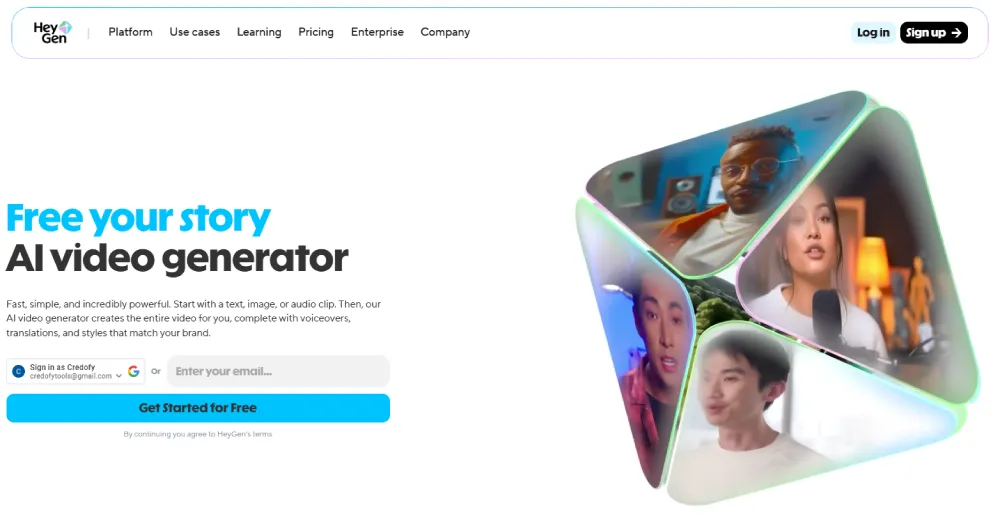
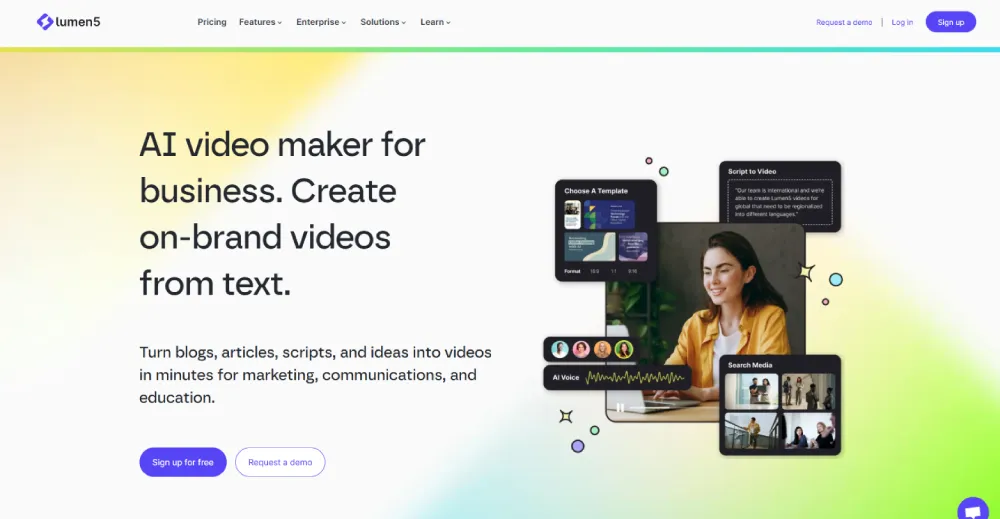
Platforms like HeyGen or Lumen5 are commonly used to scale video without adding editing overhead.
On the advertising side, AI continuously tests creatives and audiences in real time, helping lower cost per lead.
At Credofy, we see that this makes lead generation more consistent and far less manual.
Digital Marketing, SEO & PPC
- SEO to boost rankings and capture high-intent, AI-driven traffic
- Performance Marketing to run ROI-focused campaigns that convert
- Content Marketing to drive clicks, earn links, and build authority
4. AI in Real Estate for Lead Capture, Qualification, and CRM Automation
Generating leads is easy. Responding fast and following up consistently is where most real estate businesses struggle.
In 2026, AI chatbots for real estate act as a 24/7 front desk, responding instantly across websites, portals, and ads.
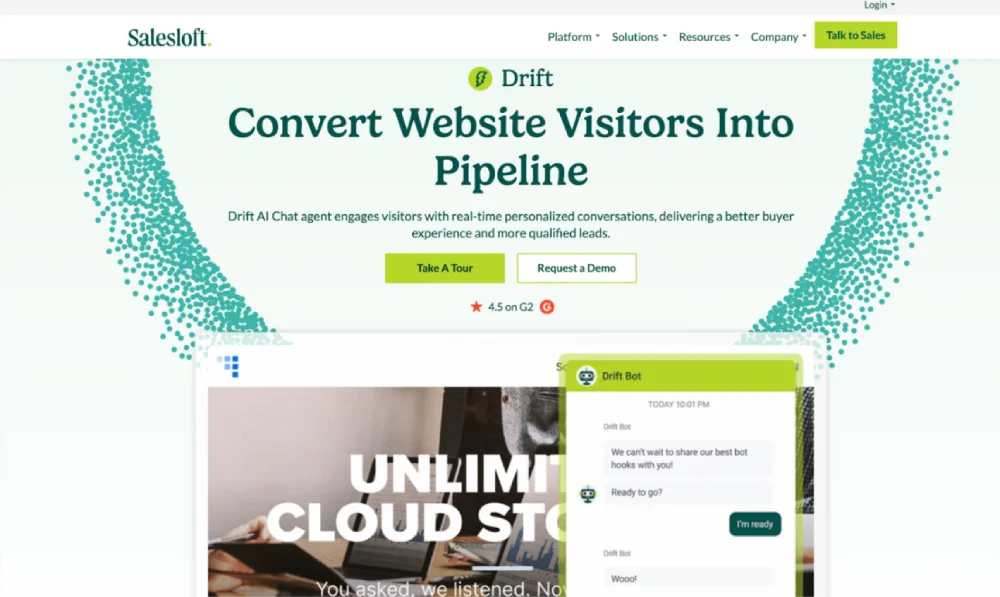
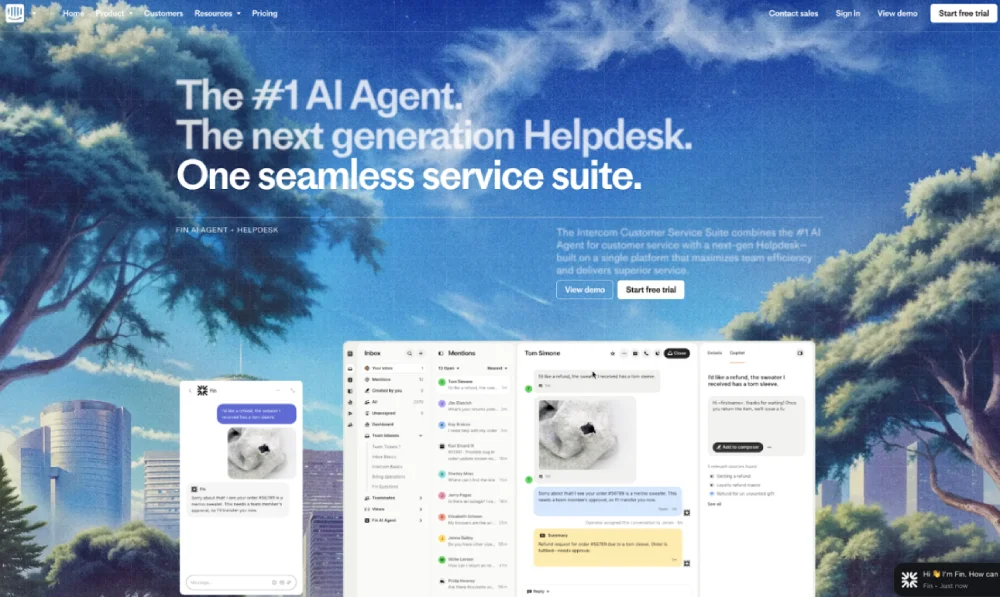
Tools like Drift or Intercom are often used here, ensuring no enquiry goes unanswered. Leads contacted within the first few minutes are far more likely to convert.
AI also handles early-stage qualification by capturing timelines, budgets, and intent before an agent steps in.
This allows teams to prioritise serious prospects and avoid time spent on low-quality enquiries.
With voice-to-CRM and workflow automation, conversations are automatically turned into notes, tasks, and follow-ups, keeping pipelines clean without agents spending hours on data entry.

Source: Freepik
At Credofy, we help real estate businesses design AI-driven workflows that handle lead capture, qualification, and follow-up automatically, so agents focus on conversations and closings, not chasing leads.
5. AI for Pricing, Valuation, and Investment Analysis
Pricing mistakes are costly, and by 2026, they’re far less acceptable.`
AI-driven property valuation now goes well beyond basic comps.

Modern tools factor in demand velocity, local supply, price-drop patterns, and buyer behaviour at a micro-market level, helping agents price for where the market is heading, not where it’s been.
AI-based valuation models can reduce pricing errors by up to 30% while cutting analysis time by around 50%, enabling faster listings, stronger seller confidence, and fewer early price corrections.
For investors, AI removes manual analysis by generating ROI and cash-flow scenarios from rent rolls, expenses, and financing assumptions in minutes.
With valuation accuracy approaching 98%, AI also enables robust risk modelling by stress-testing deals against rate changes, rent softening, and exit timing shifts.
The result is faster decisions, better pricing, and earlier visibility into risk — turning AI from a support tool into a competitive advantage.
Related Read: 61 Key Metrics Every Real Estate Business Should Track to Grow
6. AI in Real Estate for Transaction Management and Closings
Most deals don’t fail because of major issues — they stall due to missed steps, delays, or poor communication.
By 2026, AI in transaction management is focused on removing that friction.
AI systems automatically track timelines, task dependencies, and compliance requirements, flagging risks early and keeping deals on schedule.
Industry research shows workflow automation can reduce administrative delays by 20–30%, especially in multi-party or document-heavy transactions.
AI also improves document handling.
Contracts, disclosures, and inspection reports can be organised and summarised in minutes, highlighting key risks and deadlines in plain language while still preserving full legal review.
Communication is another major gain.
Studies consistently show that miscommunication is a leading cause of transaction delays and client dissatisfaction, cited by nearly half of real estate professionals.
AI-powered milestone updates and automated status alerts keep buyers, sellers, lenders, and agents aligned without constant manual follow-ups.
The result isn’t just faster closings, it’s more predictable ones, with fewer last-minute surprises, lower stress, and a smoother experience for everyone involved.
7. AI for Tenant Management and Property Operations
Tenant management usually breaks down in the same places: late rent, reactive maintenance, weak screening, and poor visibility into asset performance.
AI is now applied directly to those pressure points.

For rent collection, AI doesn’t just automate reminders. It analyses payment behaviour and adjusts when and how reminders are sent.
Tenants who pay late receive earlier nudges; reliable payers aren’t disturbed. This behavioural targeting is why automated systems are linked to 30–40% fewer late payments.
Maintenance has also shifted from reactive to predictive.
By analysing repair history, usage patterns, and sensor data in smart buildings, AI can flag likely failure windows before breakdowns occur.
Planned servicing instead of emergency repairs protects margins and reduces tenant disruption.
AI for tenant screening goes beyond static score thresholds.
Models evaluate rental history patterns and payment consistency to assess risk more accurately, improving occupancy stability without arbitrary decision-making.
At a portfolio level, AI monitors operating costs, maintenance frequency, and vacancy trends to highlight where returns are eroding. Property operations become an optimisation problem, not constant firefighting.
Marketing Research & Strategy
We help you understand your market and build smart strategies to attract more customers and grow faster.
- Detailed research into your competitors, customers, and market
- Custom marketing and growth plans that drive real results
- Clear action steps to increase traffic, leads, and sales
ADWORDS ROI
Cut Ad spend
Practical Use Cases of Artificial Intelligence in Real Estate
AI doesn’t remove responsibility — it concentrates it.
The biggest risk is fair housing.
AI systems trained on historical data can inherit bias, which means strict controls are required on what data influences decisions and where human review is mandatory.
Regulators have made it clear that automated decisions remain fully subject to fair housing laws.
Advertising is another risk area.
AI-generated images, virtual staging, or enhancements must be disclosed clearly. The issue isn’t AI use, it’s misrepresentation.
That’s why serious operators now define a simple internal AI policy: where AI can assist, where humans must decide, and how client and tenant data is handled.
The businesses that win with AI in 2026 won’t use the most tools; they’ll use AI with restraint, transparency, and accountability.
Must Read: What are the Top Challenges of Using Artificial Intelligence in Business?
The Ideal AI Setup for Real Estate in 2026
In 2026, there’s no universal “AI tech stack” for real estate.
What works is aligning AI capabilities to your stage of growth, so AI removes friction instead of adding more systems to manage.
Think less about tools and more about what AI should take off your plate.
Essential AI Capabilities for Solo Agents
For solo agents, AI should function as a reliability and productivity layer.
The core focus is content support, instant communication, and CRM automation.
Tools like ChatGPT are commonly used to assist with listing descriptions, follow-ups, and client emails, helping agents move faster without sacrificing clarity.
On the operations side, AI-assisted CRMs such as Follow Up Boss or LionDesk help automate follow-ups, reminders, and pipeline hygiene.
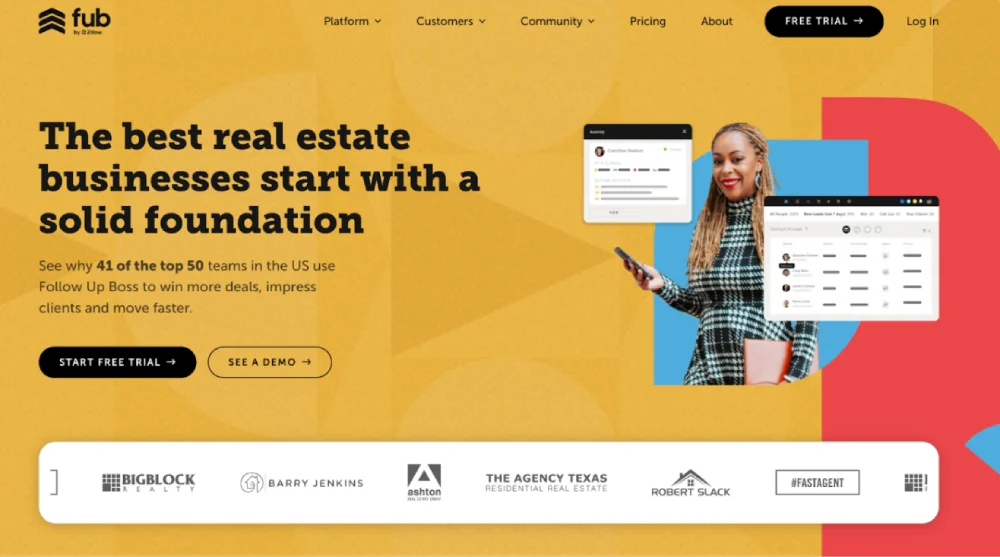
Source: Follow Up Boss
Pairing these with conversation intelligence tools like Fireflies.ai ensures calls and meetings are automatically logged, summarised, and turned into tasks.
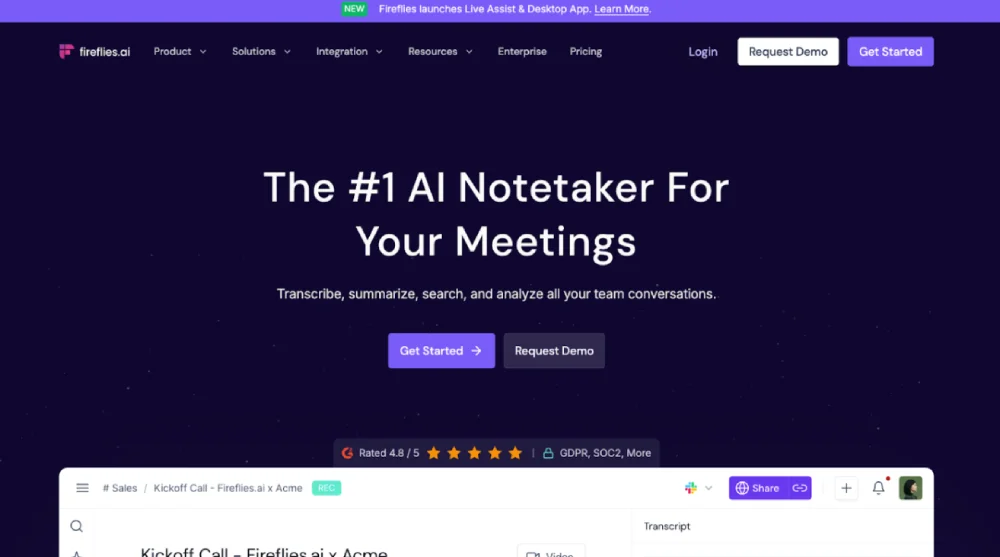
Source: Fireflies.ai
At this stage, AI’s value is straightforward: fewer missed leads, less admin, and more time spent with clients.
AI Capabilities That Help Teams Scale
For teams, the challenge isn’t lead volume, it’s coordination and consistency.
AI adds value by improving lead routing, prioritisation, and performance visibility.
Platforms like HubSpot or Follow Up Boss use AI-assisted scoring and automation to help ensure high-intent enquiries are handled quickly and by the right agent.
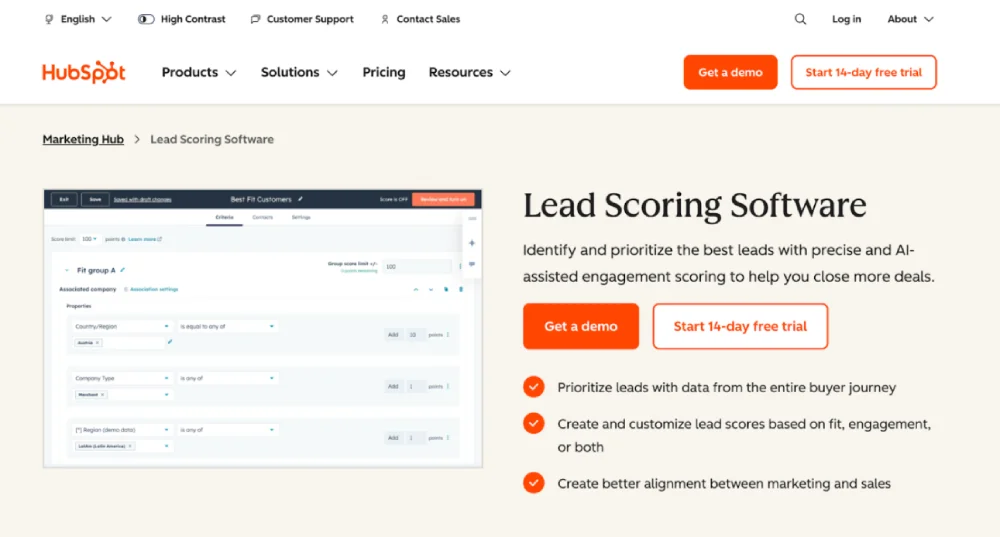
Source: HubSpot
On the marketing side, AI-powered ad platforms such as Google Performance Max or Meta Advantage+ continuously test creatives and audiences, helping teams improve conversion efficiency without increasing budgets.
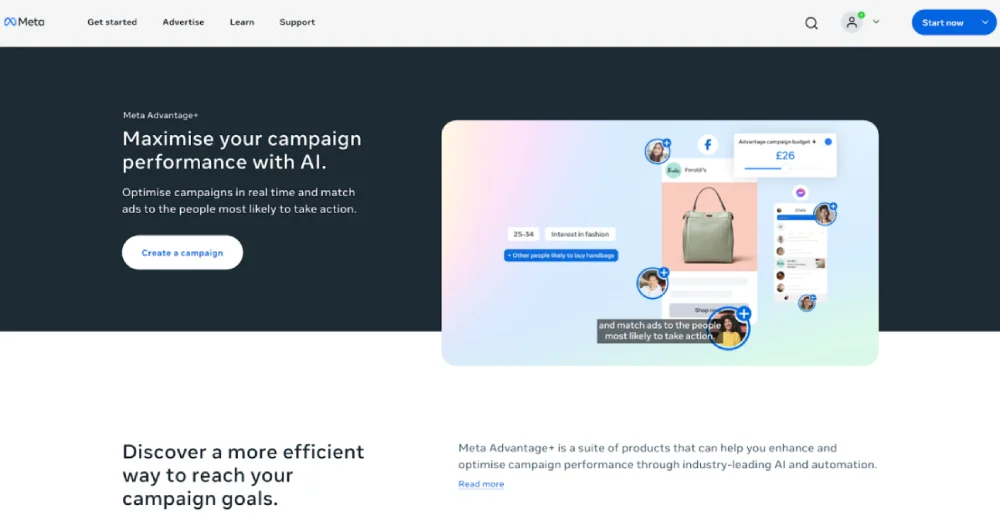
Source: Meta Advantage+
At this level, AI helps teams focus effort where it converts best, instead of spreading attention evenly across all leads.
Advanced AI Systems for Brokerages and Property Managers
For brokerages and property managers, AI becomes an operational and risk-control layer.
Workflow orchestration tools combined with document intelligence platforms allow AI to track transactions, deadlines, and compliance steps automatically.
Solutions like DocuSign Insight or Parseur are often used to extract key clauses, dates, and obligations from contracts and leases.

Source: DocuSign Insight
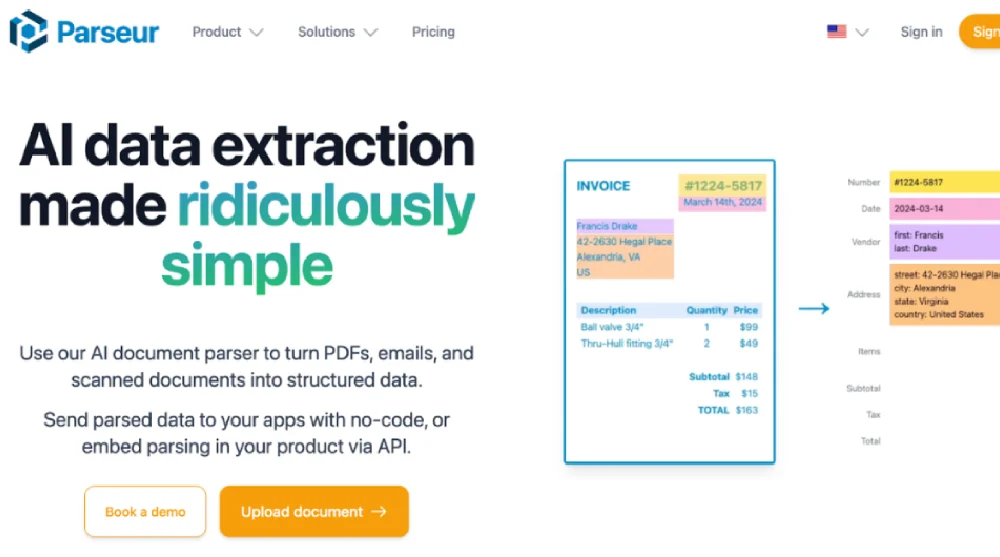
Source: Parseur
Source: AppFolio
At scale, AI’s biggest impact isn’t speed — it’s predictability, compliance, and reduced operational risk.
Key Metrics to Measure AI Success in Real Estate
AI only works if it improves outcomes you can actually feel in the business. In real estate, these are the signals that show whether AI is being used effectively or just sitting in the background.

Lead response time is the first and most immediate indicator.
AI should reduce response times from hours to minutes. Faster responses consistently lead to more conversations and higher-quality engagements, without increasing lead volume.
Conversion rates matter more than raw lead numbers.
When AI improves qualification, follow-ups, and prioritisation, a higher percentage of enquiries should turn into real conversations, appointments, and deals.
Days to close reflect operational impact.
Better coordination, automated reminders, and fewer manual handoffs should shorten transaction timelines and reduce last-minute delays.
Referral growth shows long-term success.
Smoother experiences and clearer communication lead to more repeat clients and referrals, still the highest-value source of business in real estate.
Client satisfaction ties everything together. Fewer delays, fewer missed updates, and clearer expectations result in better experiences and stronger trust, which compounds over time.
If these metrics aren’t improving, AI isn’t being applied where it actually matters.
The Smarter Way to Grow With AI in 2026
Growing a real estate business in 2026 doesn’t require more software or bigger budgets.
It requires better systems.
When AI is applied correctly, it improves speed, decision-making, follow-up, and consistency across the entire business, from first enquiry to final close and beyond.
The same leads convert better. Deals move faster. Clients have a smoother experience.
That’s the real benefit of AI in real estate: not automation for its own sake, but leverage where it actually impacts revenue and risk.
If you want a clear, personalised plan for how AI can work inside your real estate business — without overcomplicating your operations, we can help.
At Credofy, we work with agents, teams, and property businesses to design AI-driven systems that improve conversion, reduce friction, and support sustainable growth, not just short-term wins.
Book a free 1:1 strategy call with our team.
We’ll identify the exact points where leads drop, deals slow down, and time is wasted — and show you how AI-powered systems can fix those gaps.
Frequently Asked Questions About AI in Real Estate
What are the most common AI use cases in real estate today?
The most common use cases include lead response and qualification, predictive pricing and valuation, AI-powered marketing, virtual tours and staging, transaction management, tenant screening, and property operations.
Many businesses now use AI across multiple stages of the buyer, seller, and tenant journey.
How do real estate agents and brokerages use AI to grow their business?
Agents and brokerages use AI to respond faster, prioritise high-intent opportunities, reduce manual admin, and improve consistency across deals.
Growth comes from better conversion, shorter timelines, and improved client experience, not just from generating more leads.
Can AI produce real estate leads automatically?
Yes, AI can help generate and identify leads by analysing behaviour, market signals, and intent data.
However, AI is most effective when combined with strong follow-up and qualification systems. The biggest gains usually come from converting existing leads better, not just producing more of them.
What AI tools are used in real estate marketing and lead generation?
Common tools include AI-powered CRMs, predictive targeting platforms, and ad optimisation systems.
Examples include tools for predictive seller identification, automated follow-up, AI-assisted content creation, and campaign optimisation across search and social platforms.
Can AI replace real estate agents?
No. AI replaces repetitive tasks and inefficiencies, not relationships or judgment.
Negotiation, trust-building, local expertise, and client guidance remain human-driven. AI’s role is to support agents by removing friction, not to replace them.
How much does AI cost for real estate agents and brokerages?
Costs vary widely depending on scale and use cases. Solo agents can start with low-cost tools, while teams and brokerages invest more in automation and analytics.
Most businesses see ROI not through cost savings alone, but through higher conversion rates and faster deal flow.
How do I start using AI in my real estate business without technical skills?
Start by identifying where time is wasted, or opportunities are lost, slow responses, missed follow-ups, pricing uncertainty, or operational delays.
Then apply AI only to those areas. You don’t need technical expertise; the key is clear workflows and the right guidance on where AI actually adds value.


